

Asia Bike Tours at the 40th Gurkentreff 2026 🏍️ Motorcycle journeys from the Alps to the Himalayas 📍 Thumsee · May 30 · from 12:00 pm 🔥 Talks, stories & campfire
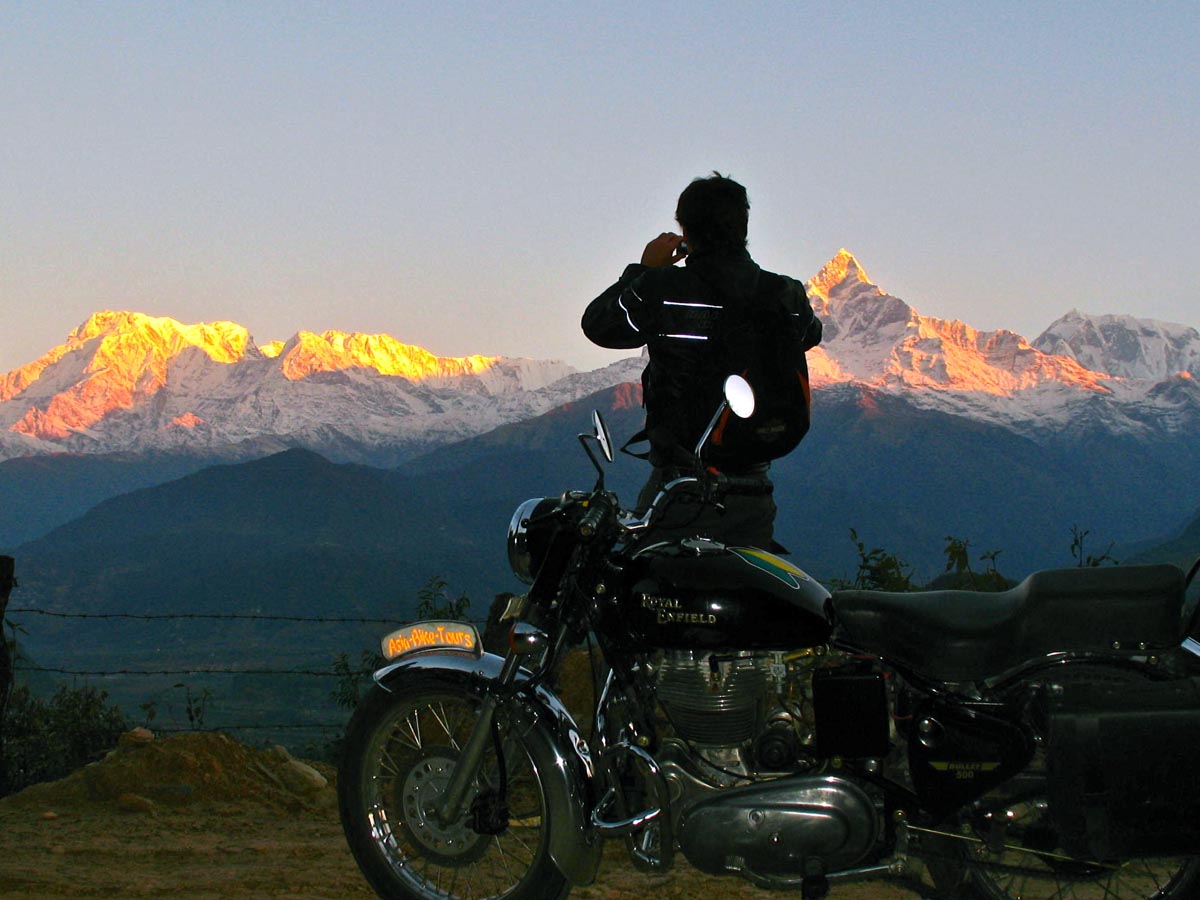
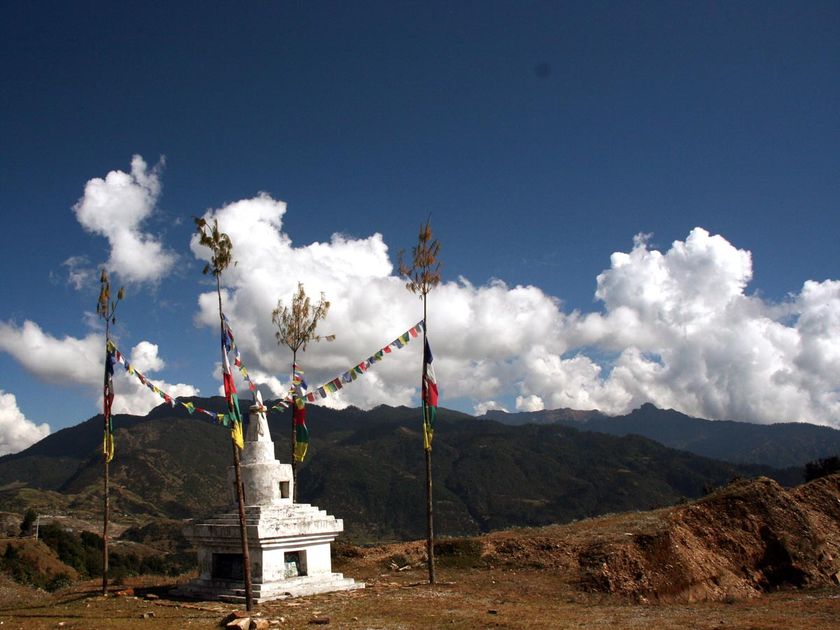
On this Nepal motorcycle adventure, we embark on an unforgettable motorcycle journey through the breathtaking landscapes of Nepal – from the snow-capped peaks of the Himalayas to the subtropical plains of the Terai.
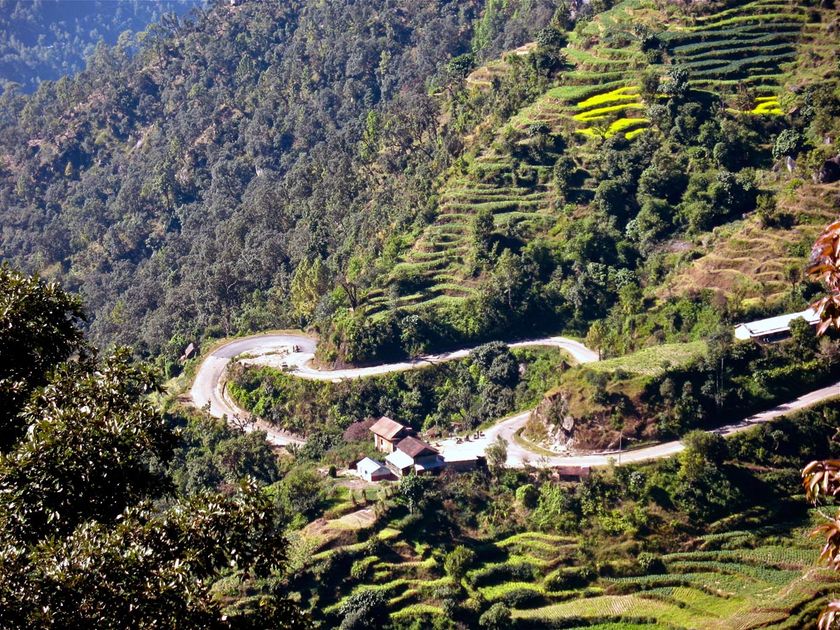
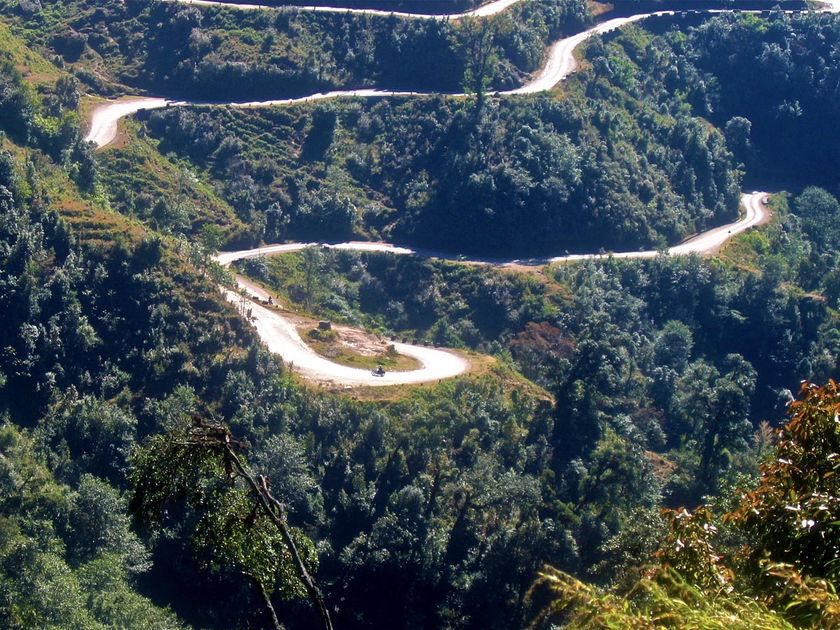
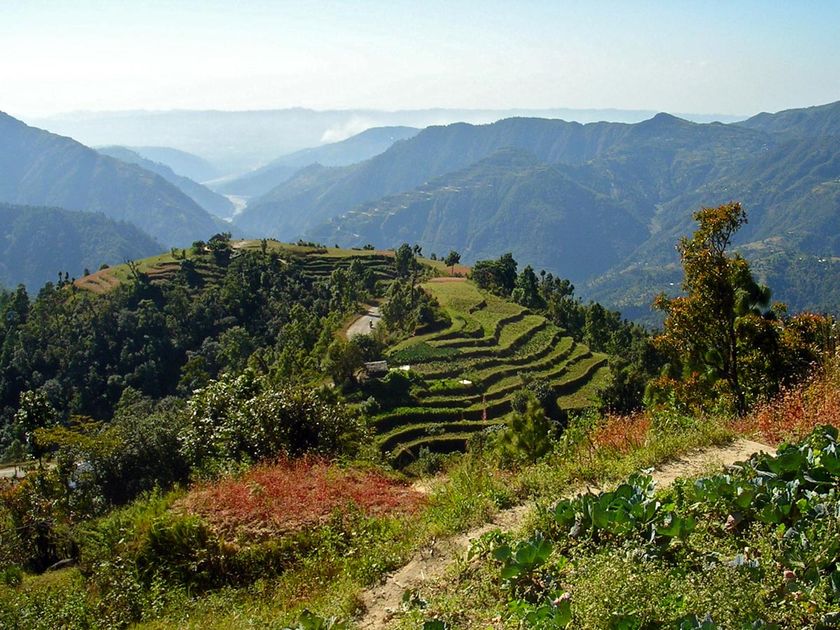
Our tour begins in Kathmandu, the vibrant capital of Nepal. As a cultural introduction, we visit the iconic Durbar Square – a UNESCO World Heritage Site in the heart of the historic old city. Then we leave the hustle and bustle of the metropolis behind and dive straight into our riding adventure: navigating left-hand traffic through lush valleys, across winding mountain passes, and past dramatic scenery.
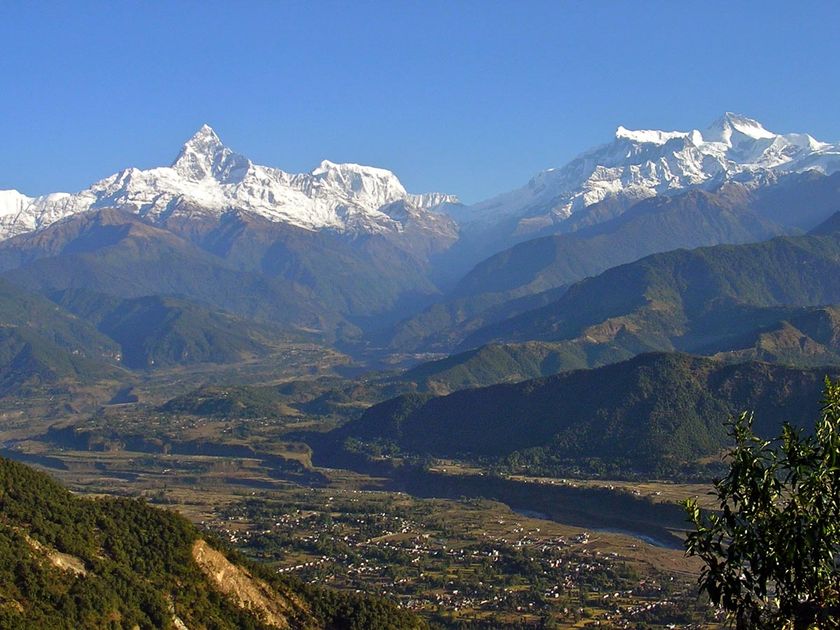
We explore the historic town of Gorkha and the beautifully restored mountain village of Bandipur, which offers, in clear weather, fantastic views of the Himalayan range. In Pokhara, we relax by the tranquil Fewa Lake and hike up to the Peace Pagoda with stunning views of the Annapurna mountains.
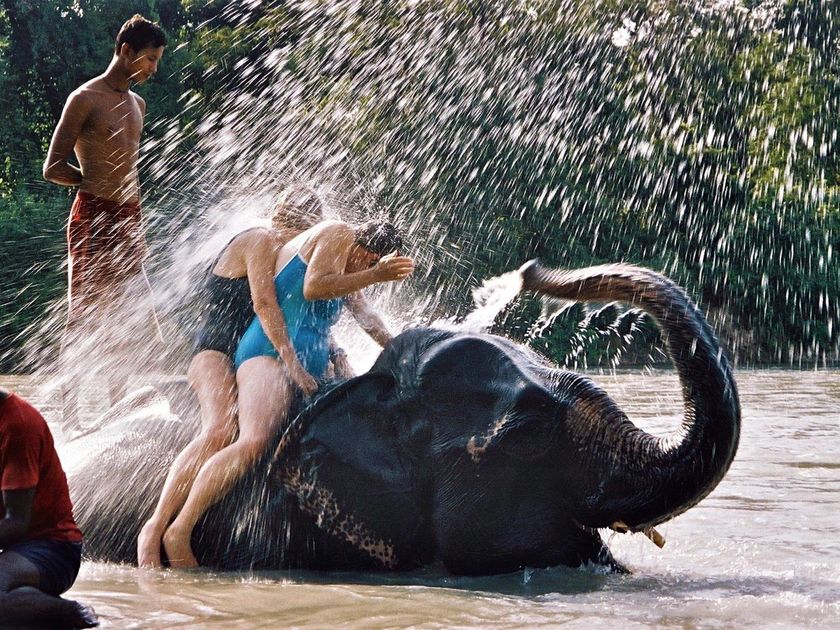
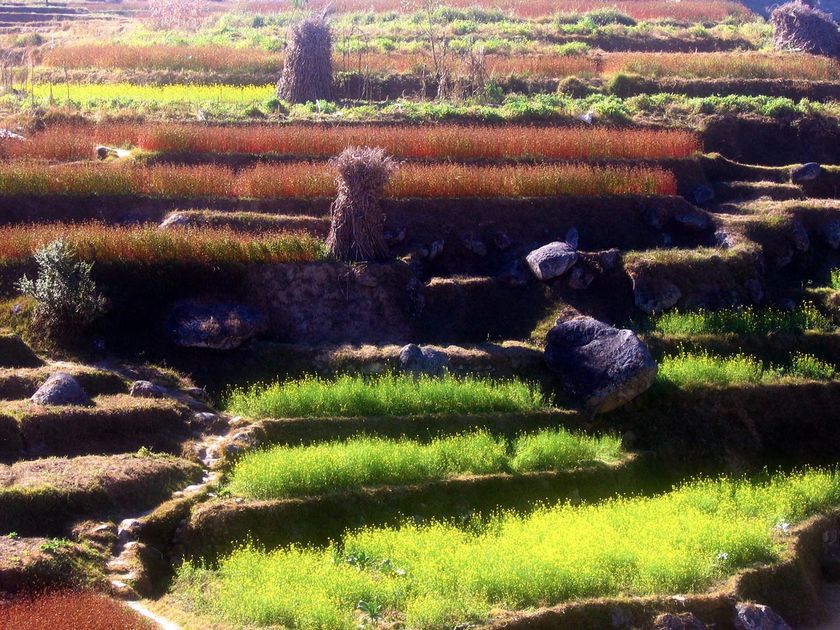
Our route continues south through the rolling Mahabharat mountain range to the charming town of Tansen. Eventually, we reach the famous Chitwan National Park, where we take a day off the bikes and immerse ourselves in Nepal’s rich wildlife. With a bit of luck, we might even spot a rhinoceros or a Royal Bengal tiger!
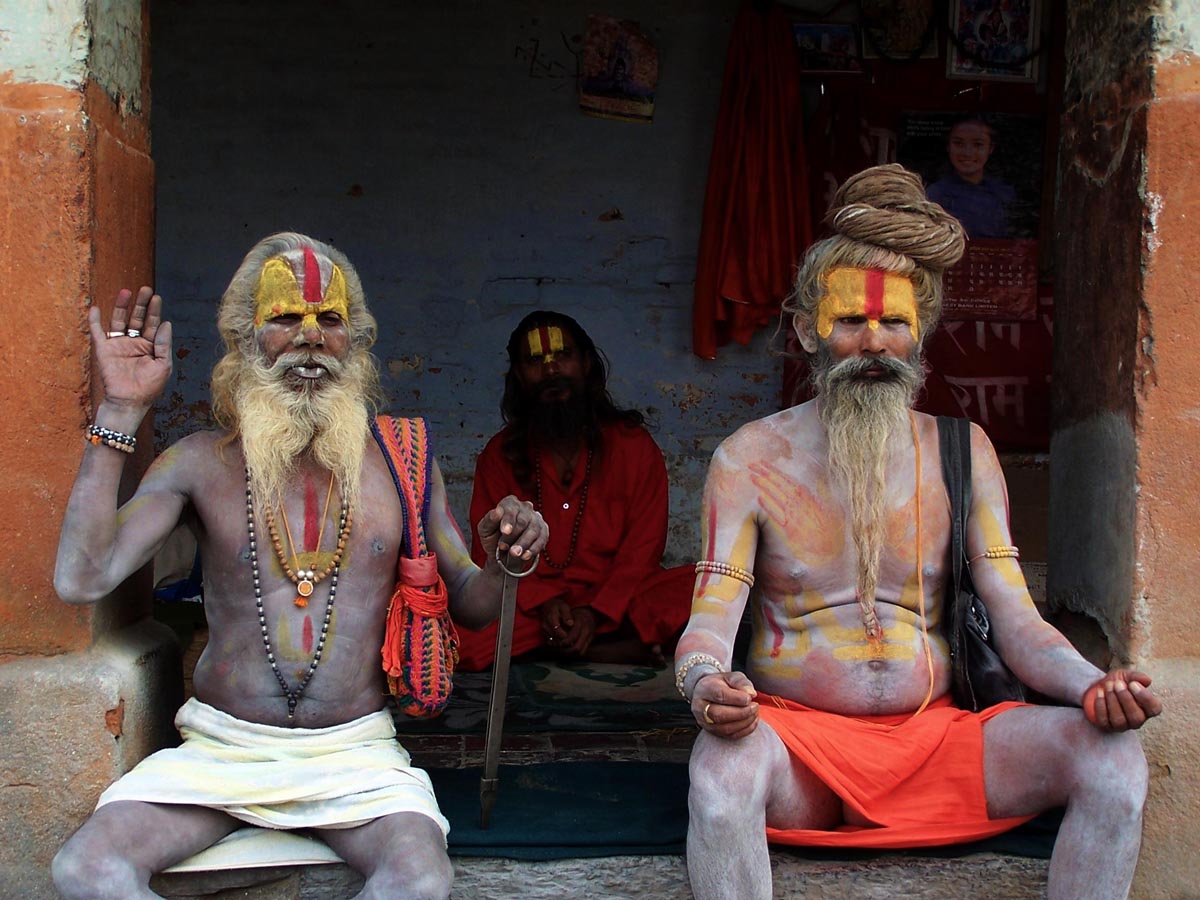
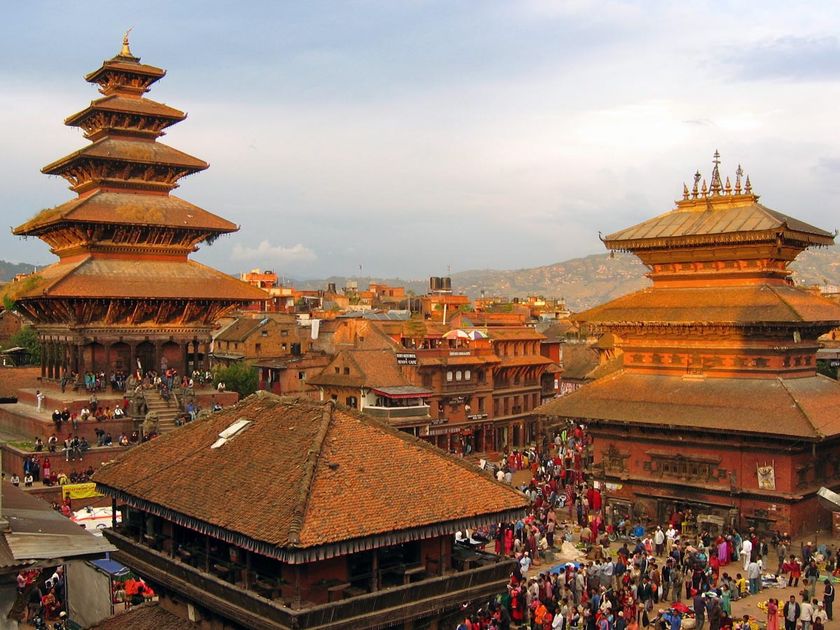
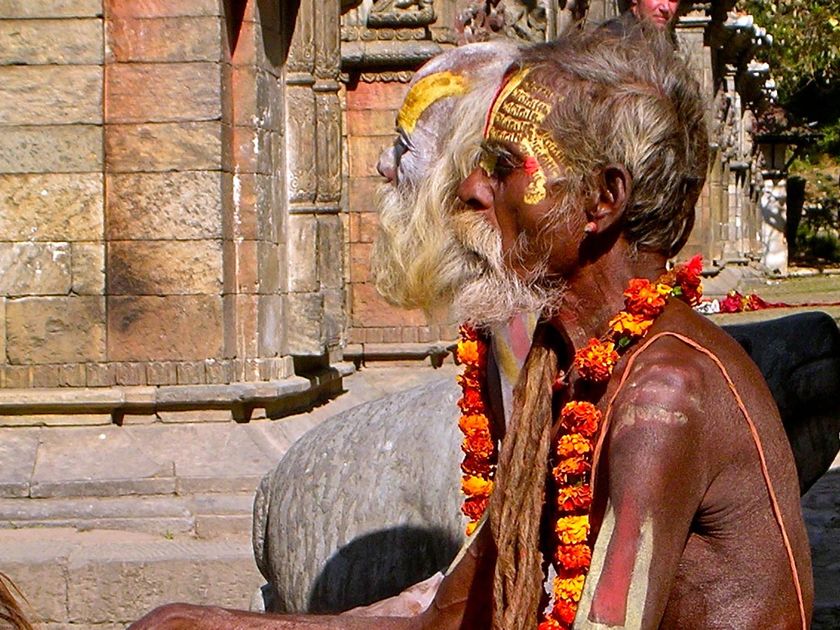
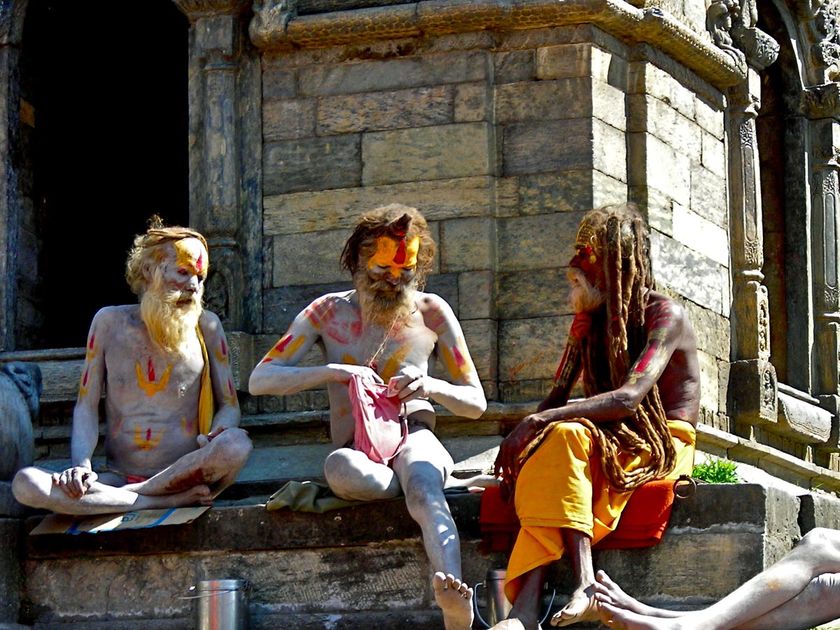
Insights into the spiritual depth of Nepal await us in Janakpur, a colorful pilgrimage site filled with temples, culture, and local traditions. To finish, we enjoy one final epic ride – full of hairpin turns, sweeping views, and pure riding joy – before writing the last chapter of our journey in Bhaktapur, Nepal’s most beautiful historic town.
NEPAL / Magic Mountains / March 2026
NEPAL / Magic Mountains / October 2026
Rider: € TBA
Pillion Rider: € TBA
Single Room Supplement: € TBA
Rider: € TBA
Pillion Rider: € TBA
Single Room Supplement: € TBA
Yes. You must carry an international driving permit along with your national driving license. It’s not always checked, but you’ll need it if you’re stopped.
Yes, purchasing a local prepaid SIM card from Nepal Telecom (NTC) or Ncell is affordable and straightforward.
SIM cards are available at Kathmandu Airport and in official shops in cities like Kathmandu, Pokhara, or Chitwan.
A passport (original + copy) and sometimes a passport photo are required for purchase. eSIM options are also available.
Yes – in general, photography is permitted in public areas in Nepal. However, some important legal and cultural rules should be observed:
Military and government facilities: Photographing military personnel, police posts, border areas, airports, and certain government buildings is prohibited or heavily restricted. When in doubt, it is best not to take photos.
Religious sites: In temples, monasteries, and stupas, photography is usually allowed in outdoor areas, but often prohibited or restricted inside. Pay attention to signs or ask beforehand. Avoid using flash in sacred spaces.
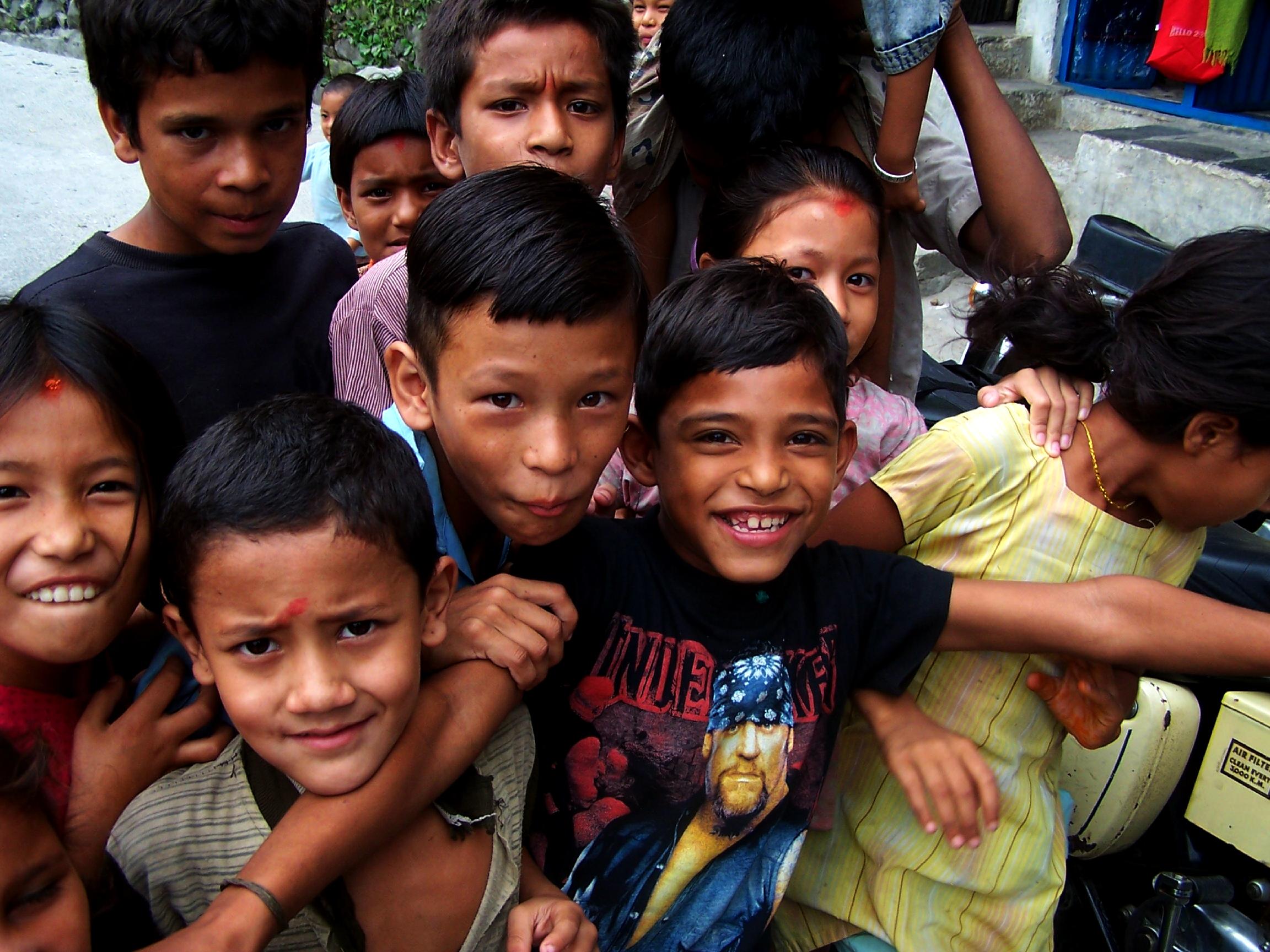
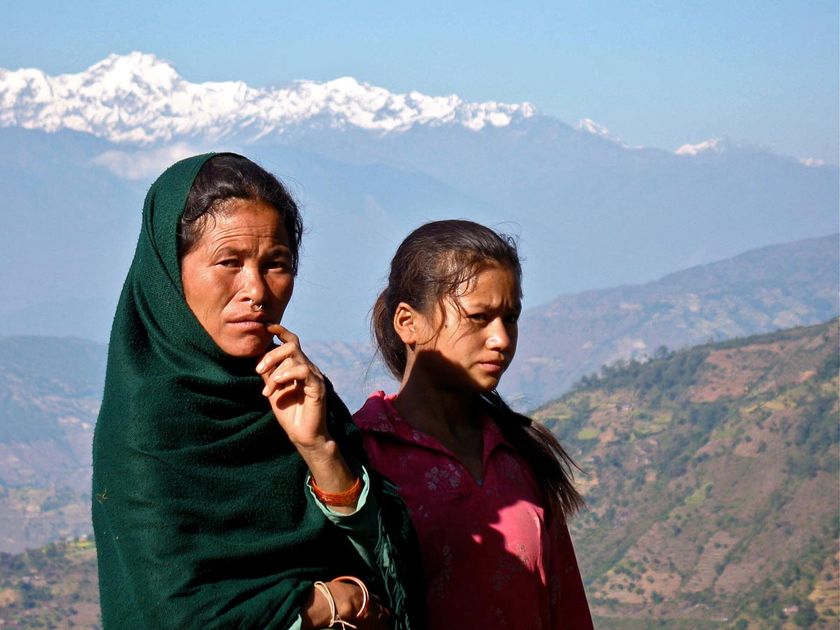
People and ceremonies: Always ask permission before photographing individuals – especially during religious ceremonies, when photographing monks, or in rural areas. A respectful request and showing the photo afterward often create a positive interaction.
National parks and heritage sites: Special regulations may apply in protected areas and historical sites. Entrance or trekking permits do not automatically authorize commercial photography.
Drones and commercial filming: Official permits from the relevant authorities are required for drone flights as well as for professional or commercial photo and video recordings.
Nepal has clear and comparatively strict drone regulations and centrally regulates drone operations through its aviation authority. Although the country offers spectacular landscapes, flying drones is not freely permitted for tourists.
The import of drones is generally possible; however, they must be declared upon entry. In some cases, customs authorities may require registration or temporarily retain the drone.
Foreign drone pilots may only operate a drone after obtaining prior approval from the Civil Aviation Authority of Nepal (CAAN). Depending on the location of operation, additional permits from local authorities, the Ministry of Home Affairs, or the respective district administration may be required.
Illegal drone flights may result in fines or confiscation of the drone. Areas considered particularly sensitive include proximity to airports, border regions, military installations, government buildings, as well as national parks and protected areas.
Tourists should be aware that violations of Nepal’s drone regulations can have serious consequences. The rules are updated regularly, and many drone videos published online were likely filmed under previous regulations or without official permission. This is by no means a recommendation to bypass the rules.
In Nepal, the situation is clear: flying a drone without prior authorization is risky and may lead to significant penalties. Anyone wishing to operate legally should thoroughly inform themselves in advance and obtain all necessary permits.
In addition to the standard routine vaccinations, no further vaccinations are required for Nepal, provided you are not entering from a yellow fever endemic country.
Vaccinations against hepatitis A, hepatitis B and typhoid are generally not mandatory, but may be considered depending on individual travel plans, duration of stay and personal circumstances.
A rabies vaccination may be considered for longer stays, trekking in remote areas or in cases of expected close contact with animals.
A preventive vaccination against malaria is currently not available. The overall malaria risk in Nepal is low and is mainly limited to lower-altitude areas in the southern Terai region. In higher-altitude regions and typical trekking areas, there is generally no malaria risk.
We recommend seeking individual advice from a physician experienced in travel medicine well in advance of your trip.
Typical souvenirs from Nepal reflect the country’s rich cultural heritage and strong spiritual traditions. One of the most popular items is the Pashmina scarf, made from fine wool and available in a wide range of colors and qualities. Handmade singing bowls are also widely purchased; traditionally used in Buddhist practice, they are now popular worldwide for meditation and relaxation.
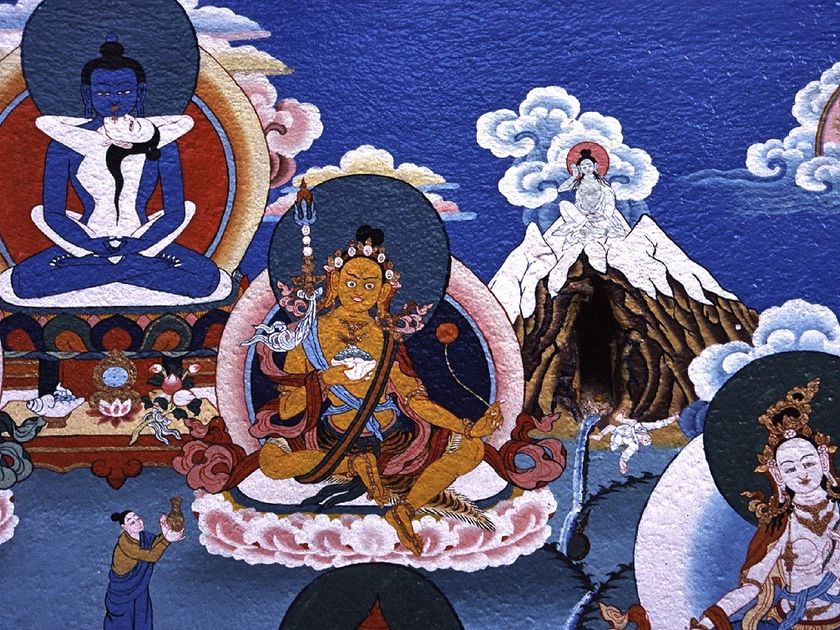
Another classic souvenir is a Thangka painting – a detailed Buddhist scroll painting featuring spiritual motifs. Colorful prayer flags, which are seen throughout the country and are believed to spread blessings and positive energy, are also commonly bought.
In addition, visitors often purchase mala prayer beads made from sandalwood, rudraksha seeds or semi-precious stones, traditional silver jewelry set with turquoise or coral, hand-carved wooden masks and figures, handwoven bags, and local products such as Nepali tea or spice blends.
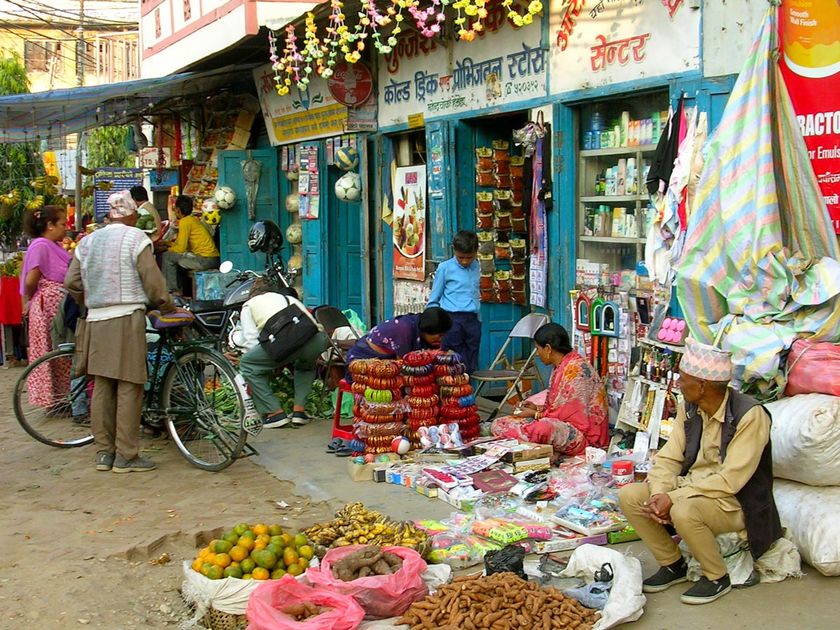
In cities such as Kathmandu – particularly in the Thamel district – there is a wide selection of handicrafts, textiles and trekking-related souvenirs inspired by the Himalayan region.
In Nepal, it is important to show respect for religion, traditions and local customs. When visiting temples, monasteries or other religious sites, shoulders and knees should be covered, and shoes are usually removed before entering. In some Hindu temples, entry is restricted to Hindus only. Photography is not permitted everywhere and should be requested in advance.
Public displays of affection are considered inappropriate and should be avoided. A slight nod or placing the hands together in front of the chest while saying “Namaste” is a common form of greeting. Traditionally, the left hand is regarded as unclean and should not be used to hand over food or objects whenever possible.
Respectful behavior toward religious symbols, statues and prayer objects is expected. Littering should be avoided, and both nature and cultural heritage sites should be treated with care.
We expect to spend around five hours driving each day. The distance covered depends on the route chosen; on average, it will be between 100 and 200 km daily. Occasionally, we may drive less than 100 km, and sometimes more—always depending on what road conditions allow. The state of the roads is often more decisive than the actual distance traveled.
We generally start early enough to allow for an afternoon buffer. This ensures that, even in the event of unexpected delays, we can arrive before nightfall, as we generally avoid driving after dark.
Due to significant altitude changes and variable weather in the mountains, it’s important to be prepared for both warm and cold conditions. In the valleys, a pair of lightweight long pants and a light jacket are often enough in the evenings, while high mountain passes can bring brief periods of winter-like conditions. Quality gear is often hard to find locally, so it’s best to bring everything you need from the start.
Motorcycle gear:
Casual and everyday clothing:
Additional notes:
Packing list: All participants receive a detailed packing list with practical recommendations well before the tour begins.
Visa regulations may change at any time. Please always check the most up-to-date information on the official websites of the Nepalese government. The following information is provided for guidance only.
Citizens of most countries require a visa to enter Nepal. It is recommended to apply for the visa online prior to travel (ETA / e-Visa), as obtaining a Visa on Arrival cannot be guaranteed in all cases.
The online application is completed via the official website of the Nepal Department of Immigration: https://nepaliport.immigration.gov.np/onlinevisa-mission/application
The ETA confirmation (e-Visa) must be presented in printed form upon entry.
Your passport must be valid for at least six months beyond the intended date of departure and must contain at least two blank pages.
A return or onward travel ticket must be available. In rare cases, proof of sufficient financial means for the duration of the stay may also be requested.
It is recommended to carry a mix of cash (USD or EUR), a credit card, and an ATM card (Visa and Mastercard are more widely accepted, while American Express and Diners are less common). Make sure your ATM card is activated for international use outside European countries—this is often referred to as “Geo Control” at your bank.
Card payments are not accepted everywhere, so having cash on hand is important. Only carry undamaged notes, as even slightly torn or marked bills are often refused. Smaller denominations are recommended for tips.
In larger towns, ATMs are generally available, but they are less common than in Europe. Cash can be changed at airports, hotels, and official exchange offices.
There have been isolated cases of ATM tampering and card data misuse. To minimize risk, use only ATMs located in secure, busy areas—such as inside banks or large hotels, or those recommended by our tour guide.
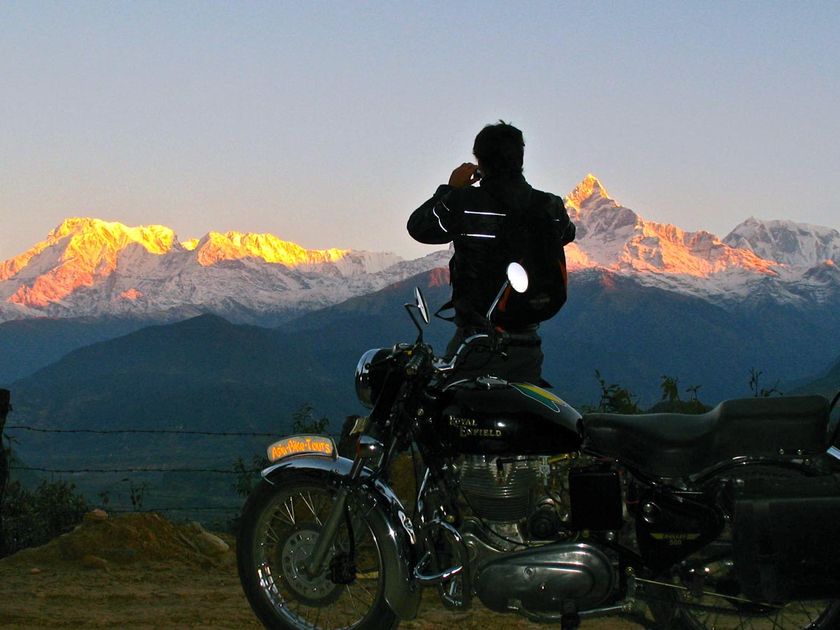
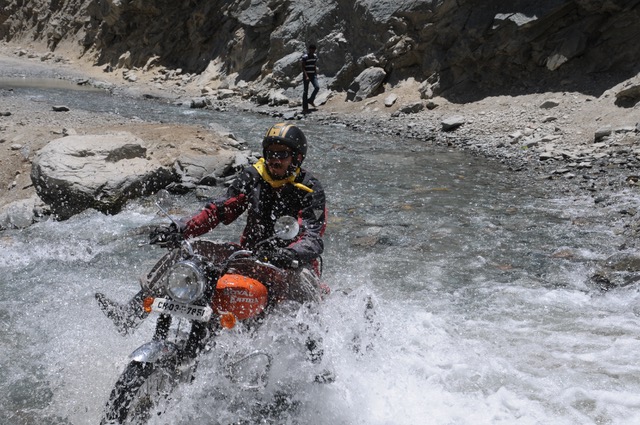
The Royal Enfield Himalayan 450.
On request, the Himalayan 411 or the legendary Royal Enfield Bullet 500 (left shift, electric starter, front disc brake) are also available.