



Asia Bike Tours at the 40th Gurkentreff 2026 🏍️ Motorcycle journeys from the Alps to the Himalayas 📍 Thumsee · May 30 · from 12:00 pm 🔥 Talks, stories & campfire
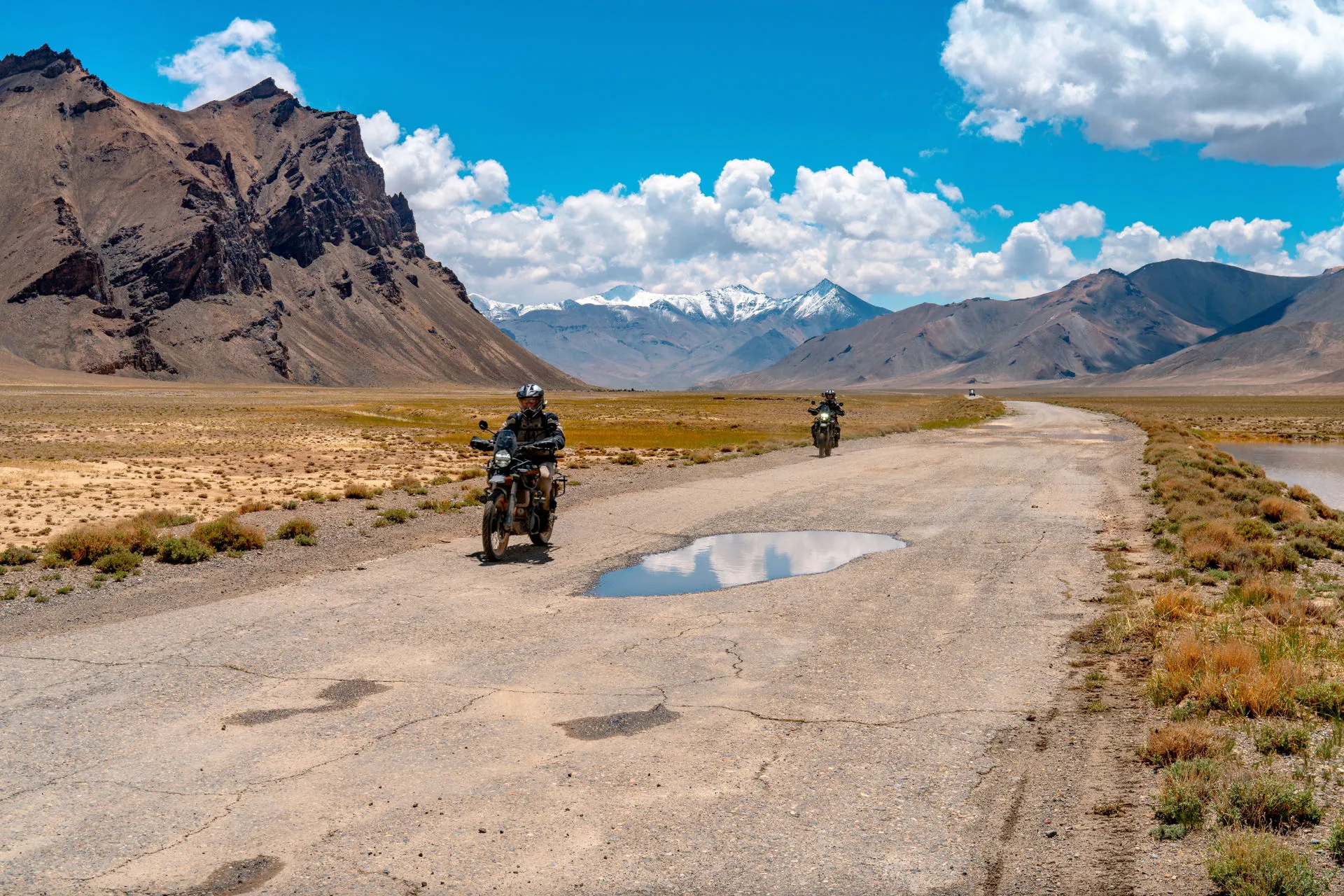
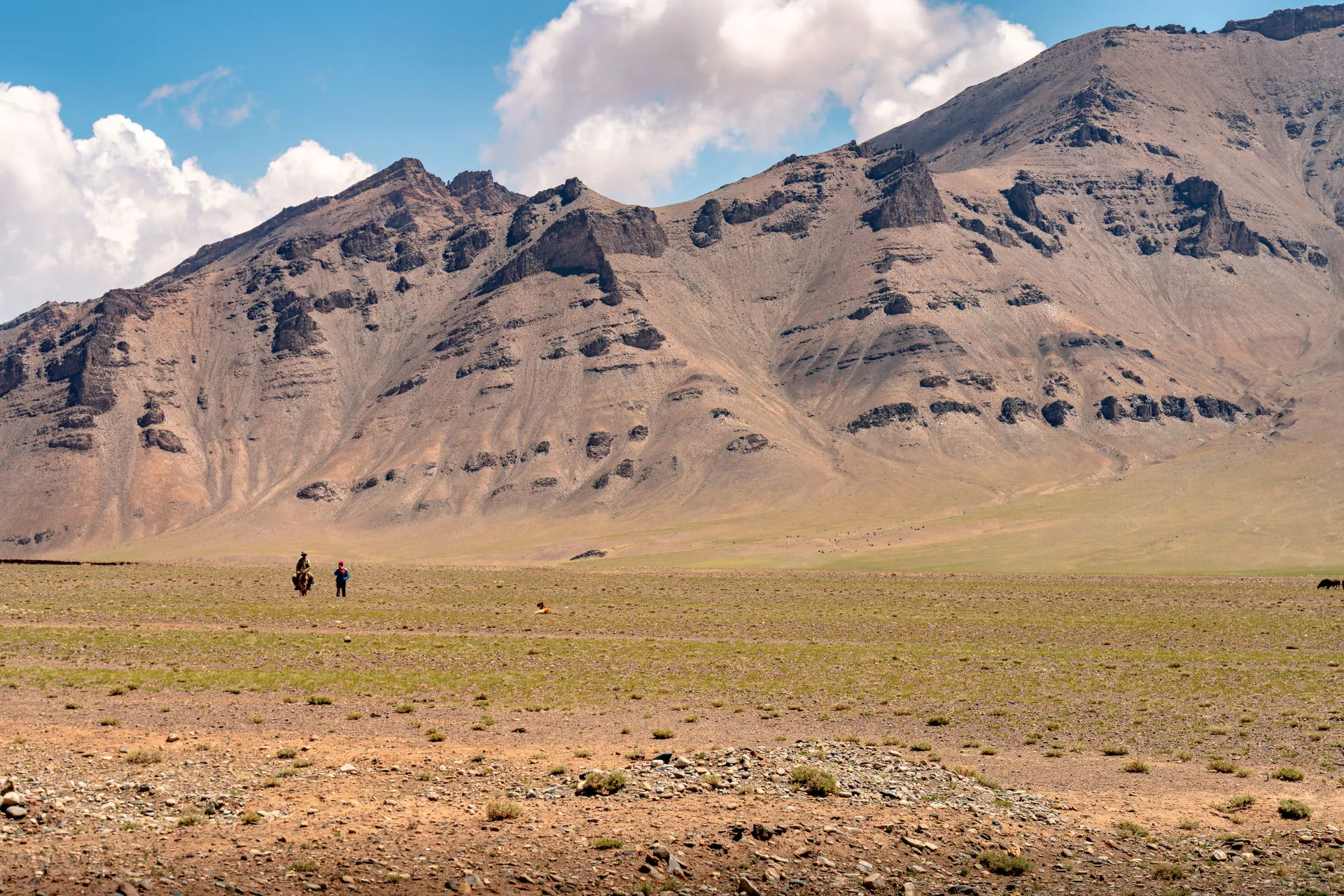
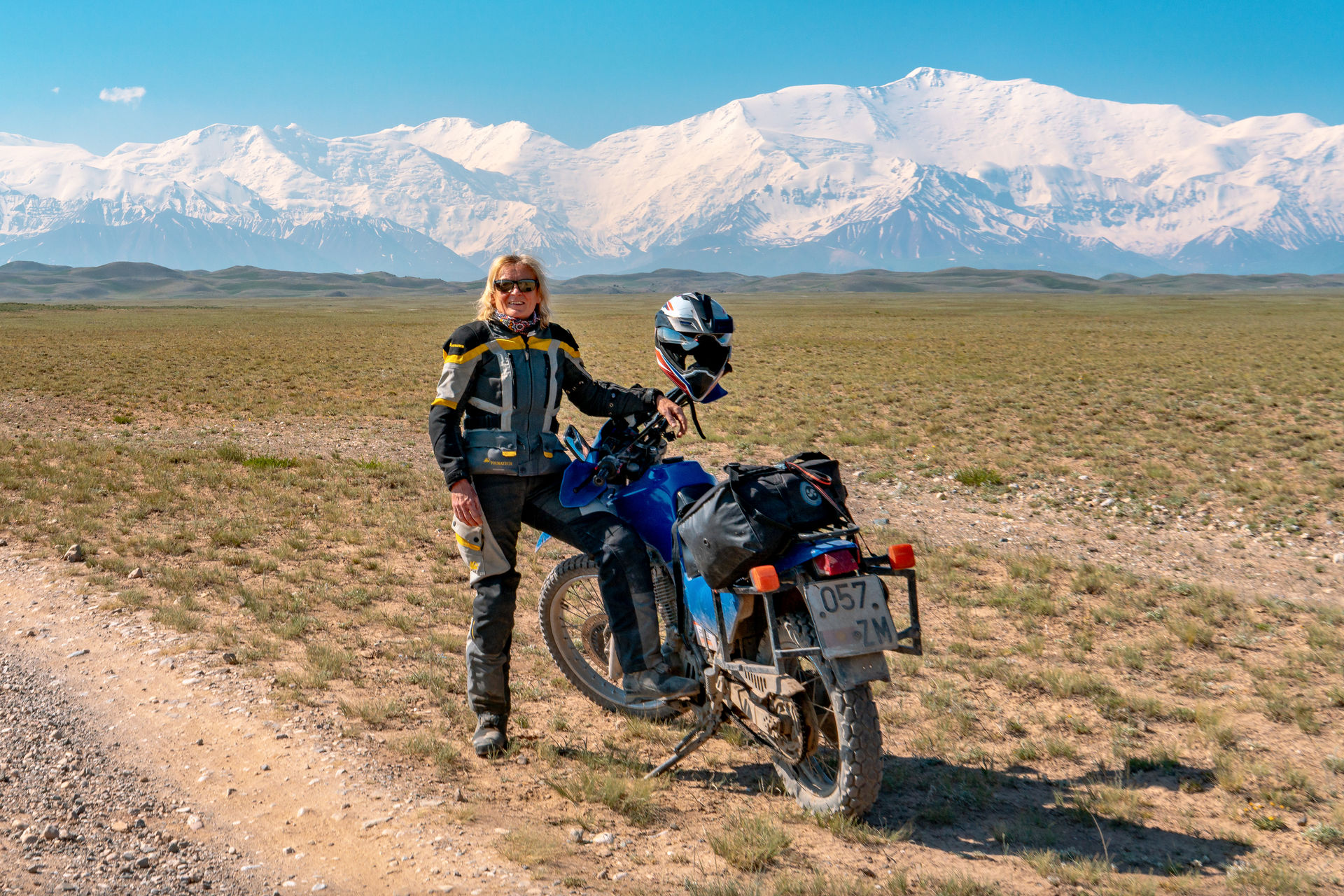
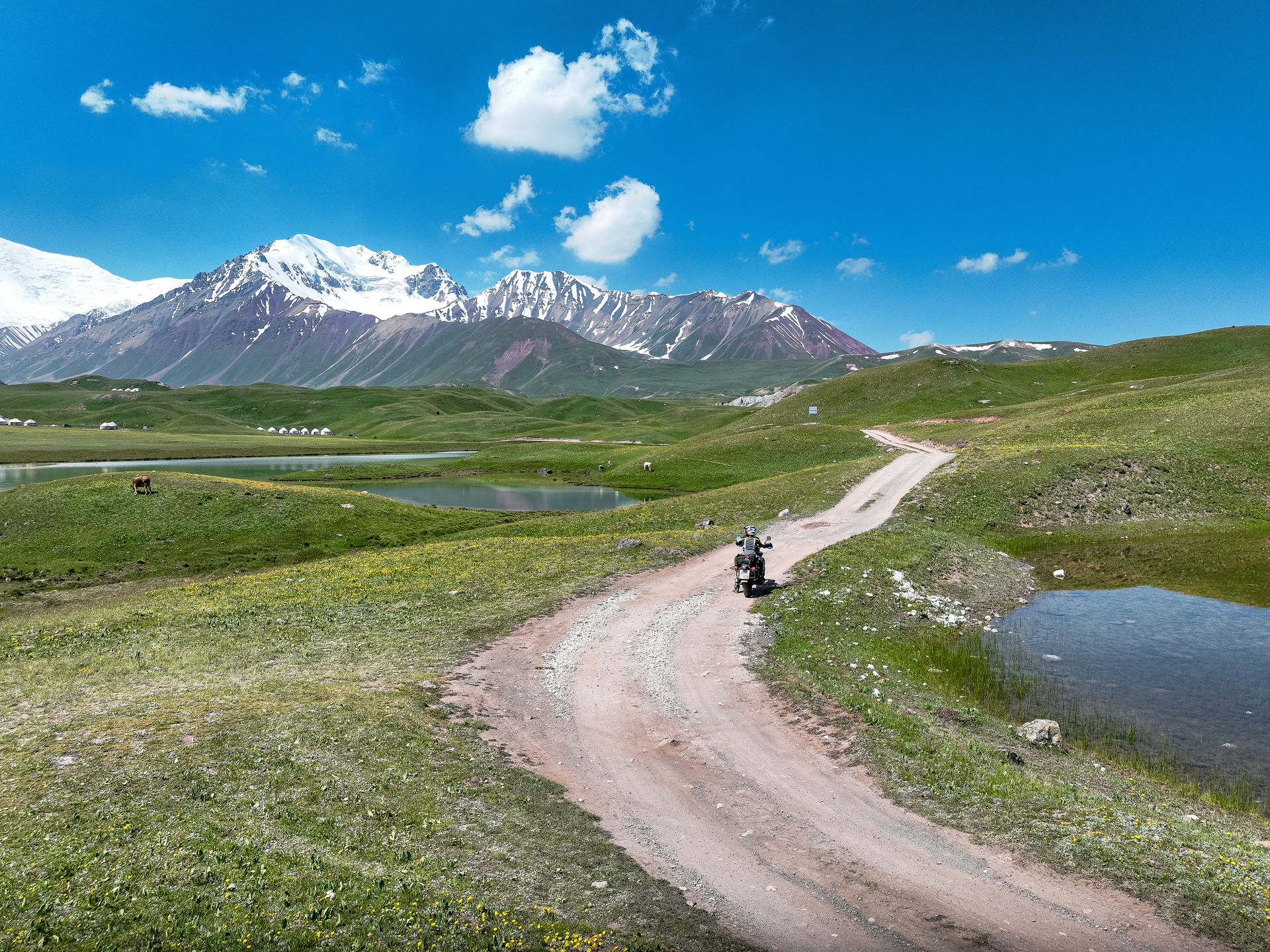
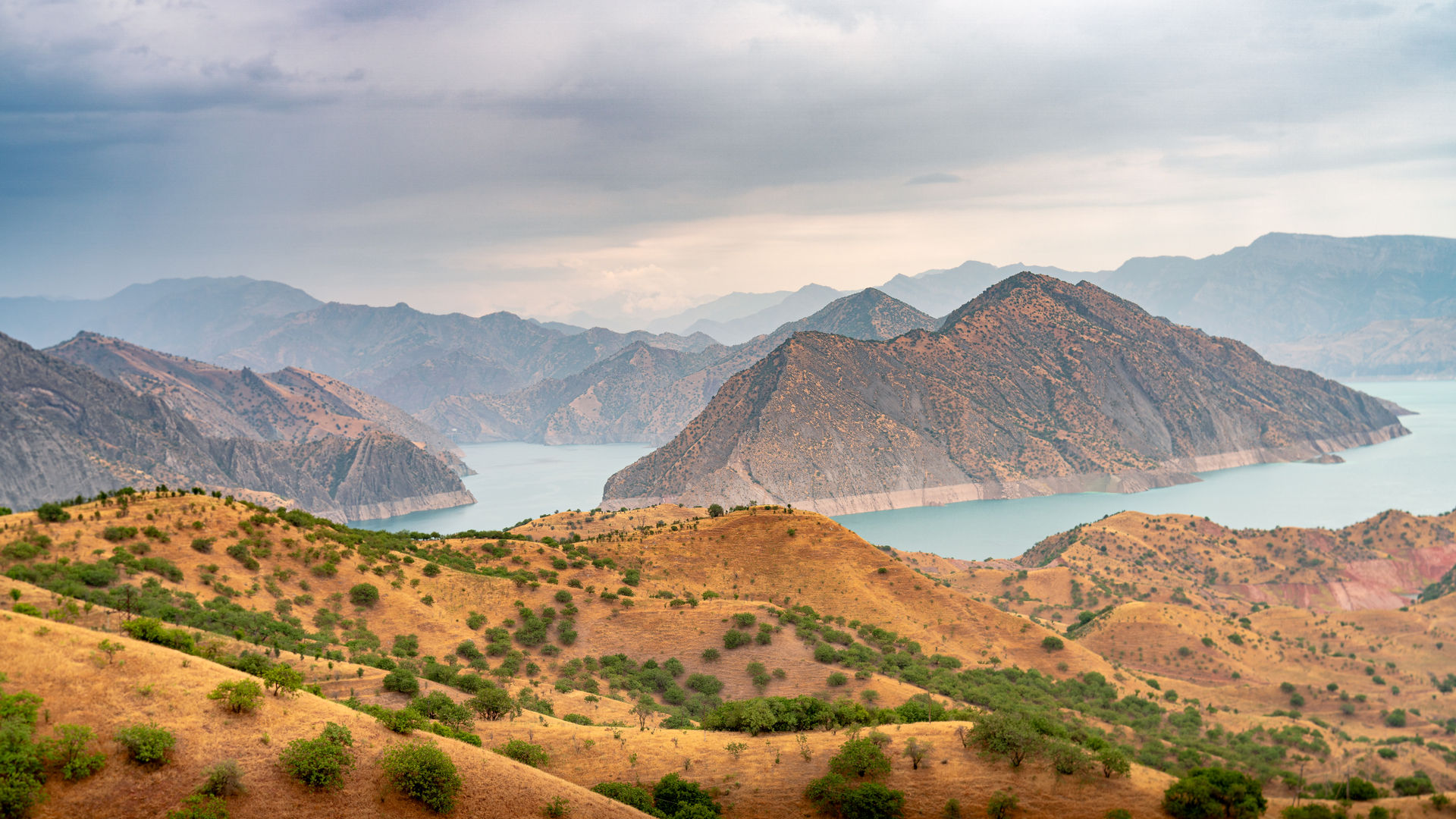
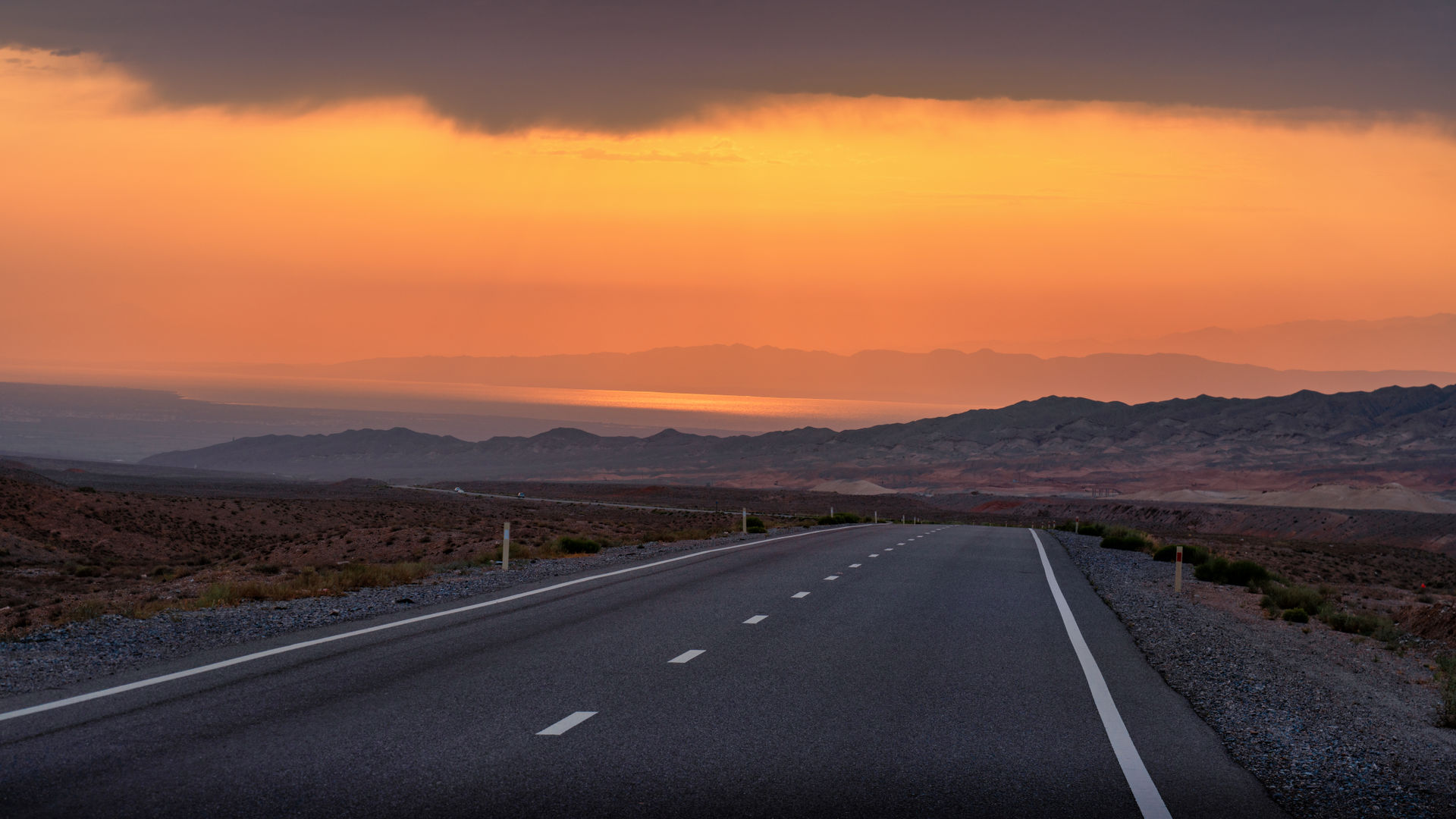
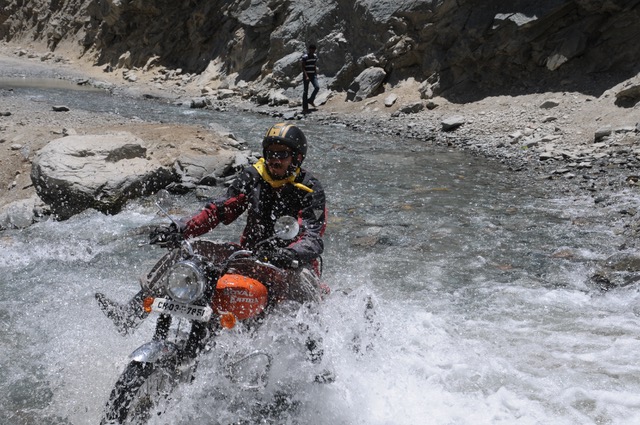
The Pamir Highway, one of the highest roads in the world, stretches for around 1,250 kilometers from Osh in Kyrgyzstan to Dushanbe in Tajikistan. This breathtaking route cuts through the wild and rugged Pamir Mountains and offers motorcyclists an unforgettable mix of adventure, extreme weather conditions, and spectacular landscapes. The ride takes us over high mountain passes, past remote villages, and across vast steppes—often on challenging road surfaces.
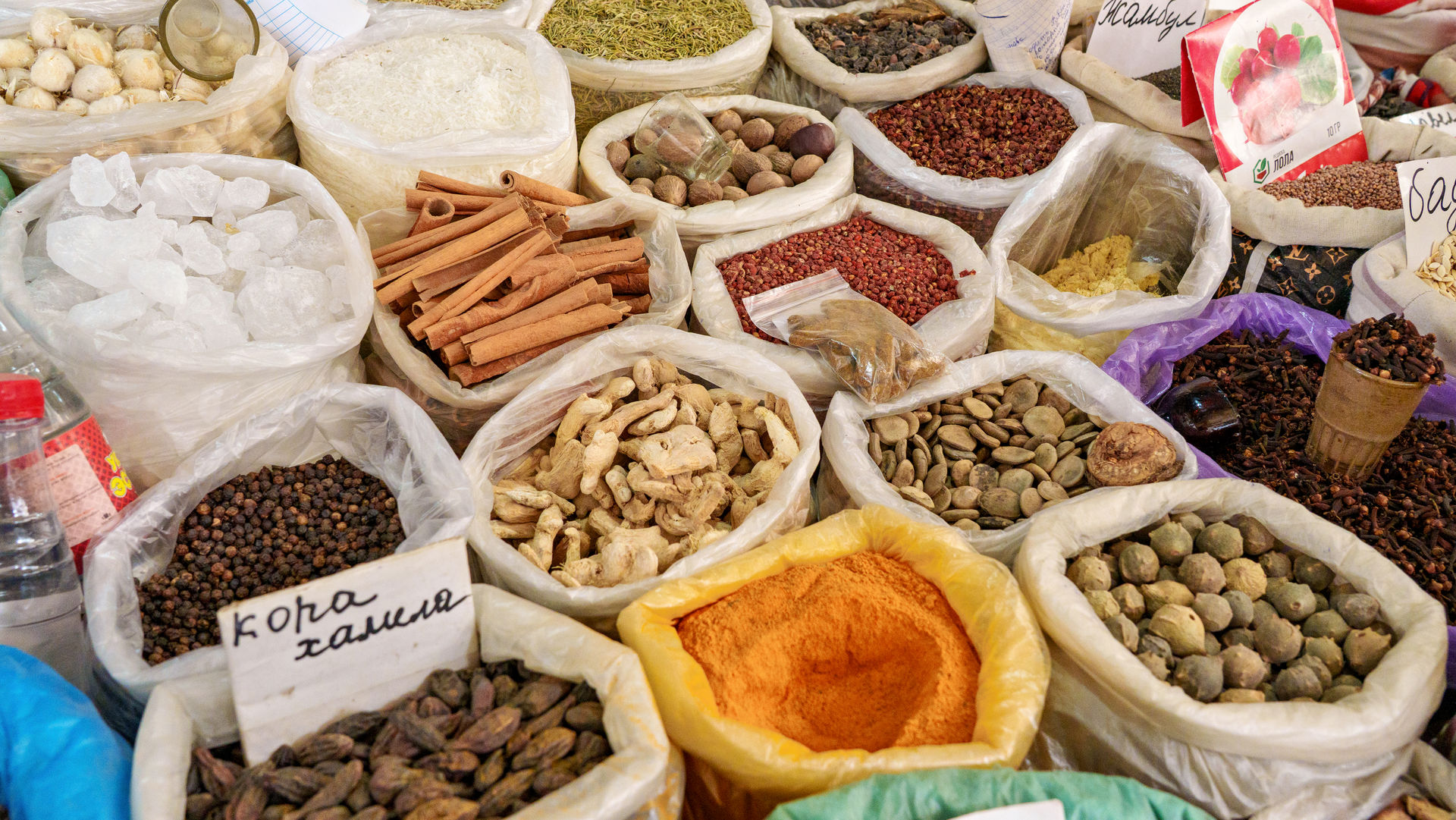
The Pamir Highway is legendary not only for its technical demands, but also for the way it allows travelers to dive deep into the soul of Central Asia. The journey leads through one of the most remote yet culturally rich regions of the world, where encounters with warm and welcoming locals and insights into centuries-old traditions awaken the true adventure spirit. For motorcyclists seeking the extreme, the Pamir Highway represents the ultimate challenge—a journey that demands physical and mental strength and promises truly unforgettable experiences.
Rider: € 3,940
Pillion Rider: € 3,440
Single Room Supplement: € 380
Yes. You must carry an international driving permit along with your national driving license. It’s not always checked, but you’ll need it if you’re stopped.
Visa and entry regulations may change at any time. The following information is for general guidance only. Always check official government sources before traveling.
The Pamir Highway tour by Asia Bike Tours runs through Kyrgyzstan and Tajikistan.
Citizens of many countries — including most EU member states, the USA, Australia and several other Western countries — can enter Kyrgyzstan visa-free for stays of up to 60 days for tourism, and Tajikistan visa-free for short tourist stays (typically up to 30 days).
For both countries the passport must be valid for at least six months at the time of entry.
Yes – in general, photography is permitted in public areas in both Kyrgyzstan and Tajikistan. However, some important legal and cultural rules should be observed:
Military and government facilities: Photographing military personnel, border posts, checkpoints, airports, bridges, tunnels, power plants, and government buildings is prohibited or highly sensitive. This is especially important near border regions (e.g., along the Kyrgyz–Tajik border). When in doubt, do not take photos.
Border areas and strategic infrastructure: In mountainous border regions and along major transport routes, security controls can be strict. Photography near border crossings or security installations may lead to questioning or deletion of images.
Religious sites: In mosques, shrines, and mausoleums, photography is often allowed in outdoor areas but may be restricted inside. Always observe posted signs or ask beforehand. Avoid using flash in prayer spaces, and dress respectfully.
People and rural communities: Always ask permission before photographing individuals – particularly in rural villages, markets, or during religious events. In more traditional areas, especially in Tajikistan, photographing women without consent may be considered inappropriate. A friendly request and showing the photo afterward are usually appreciated.
Government buildings and monuments: In Tajikistan in particular, photographing certain official buildings, monuments, or police officers can be sensitive. Exercise discretion in capital cities such as Dushanbe and Bishkek.
Drones and commercial filming: Drone use is regulated in both countries and typically requires official permission. Flying drones near borders, cities, or government facilities is especially sensitive and may be prohibited. Professional or commercial filming requires permits from the relevant authorities.
In addition to the standard routine vaccinations, no further vaccinations are required for Kyrgyzstan and Tajikistan, provided you are not entering from a yellow fever endemic country.
Vaccinations against hepatitis A, hepatitis B and typhoid are generally not mandatory, but may be considered depending on individual travel plans, duration of stay and personal circumstances.
A rabies vaccination may be considered, particularly for longer stays, trekking tours or in cases of expected close contact with animals.
A preventive vaccination against malaria is currently not available. There is no relevant malaria risk in Kyrgyzstan. In Tajikistan, a very low residual risk may exist in certain low-lying southern regions; in the rest of the country, there is generally no relevant risk.
We recommend seeking individual advice from a physician experienced in tropical or travel medicine well in advance of your trip.
In Kyrgyzstan and Tajikistan, the legal situation regarding drones is not fully clear or consistently codified. Civil aviation authorities exist and general airspace regulations apply, but specific, transparent drone laws—especially for tourists—are limited or not always publicly detailed. Despite the spectacular mountain landscapes, flying a drone is therefore not automatically unrestricted or risk-free.
Importing a drone is generally possible, but it should be declared upon arrival. Depending on the circumstances, customs authorities may ask questions or temporarily hold the device.
Whether formal permission is required can depend on the purpose of the flight (recreational or commercial) and the specific location. Regardless of the formal legal framework, certain areas are considered highly sensitive: border zones, military facilities, airports, government buildings, and strategic infrastructure should never be filmed or overflown. Authorities are particularly cautious in border regions.
Unauthorized or security-sensitive drone flights may lead to inspections, confiscation of the drone, or legal consequences—even where the regulatory framework is not clearly defined.
Travelers should be aware that regulations may change at short notice and that not all online information is up to date or officially confirmed. In both countries, flying a drone without prior clarification with local authorities carries risks. Anyone wishing to operate a drone should seek up-to-date information from official sources and strictly avoid sensitive areas.
In both countries, local prepaid SIM cards are inexpensive and easily available in cities. Registration usually requires a passport. At Osh Airport, there are mobile provider counters where a Kyrgyz SIM card can be purchased (e.g., from Beeline Kyrgyzstan or MegaCom). Kyrgyz prepaid SIM cards generally do not work in Tajikistan without roaming. If needed, a local SIM card can be obtained in Tajikistan (e.g., from Tcell or MegaFon Tajikistan).
The Pamir Highway passes through remote high-altitude regions. In towns such as Khorog, mobile reception is usually available, but along long stretches of the route there is often no signal. Mobile data coverage along the highway is therefore limited.
In Tajikistan and Kyrgyzstan, tradition, respect for elders, and hospitality are highly valued. Both countries are predominantly Muslim, though daily life is generally moderate and pragmatic.
When visiting mosques or other religious sites, shoulders and knees should be covered, and women should carry a scarf to cover their head if needed. Shoes must be removed before entering religious buildings. Photography is restricted in certain areas—military sites, border zones, and government buildings must never be photographed.
Elders are treated with particular respect. Handshakes are common among men, while physical contact between men and women in public is usually minimal. Public displays of affection should be discreet.
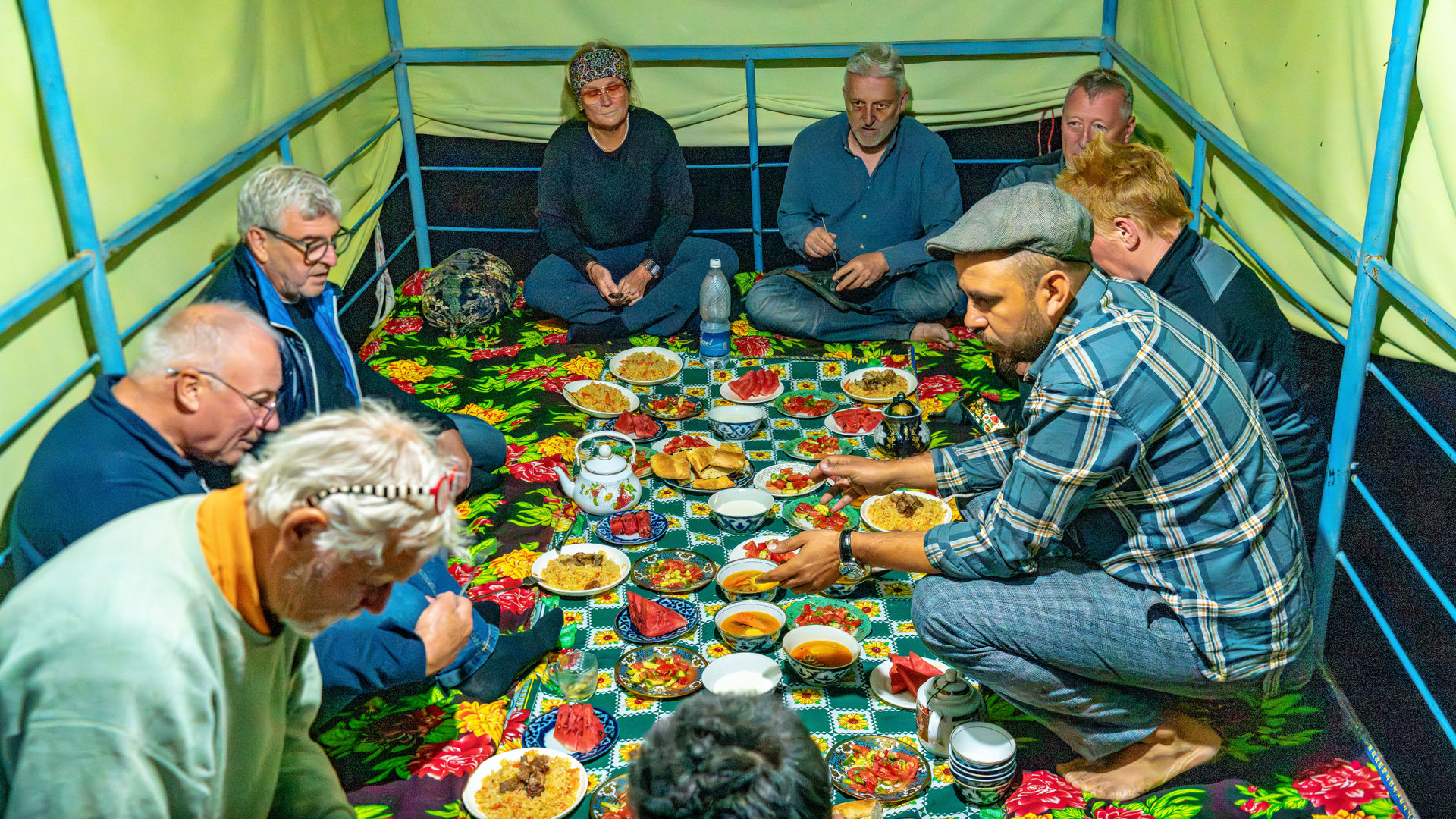
Hospitality is an important part of both cultures. Invitations for tea or meals are a sign of respect and should, whenever possible, be accepted. Bread has symbolic value and should never be treated carelessly or discarded.
In rural areas, conservative clothing is preferred. A calm, respectful demeanor, along with patience and friendliness, is highly appreciated and can help build positive relationships.
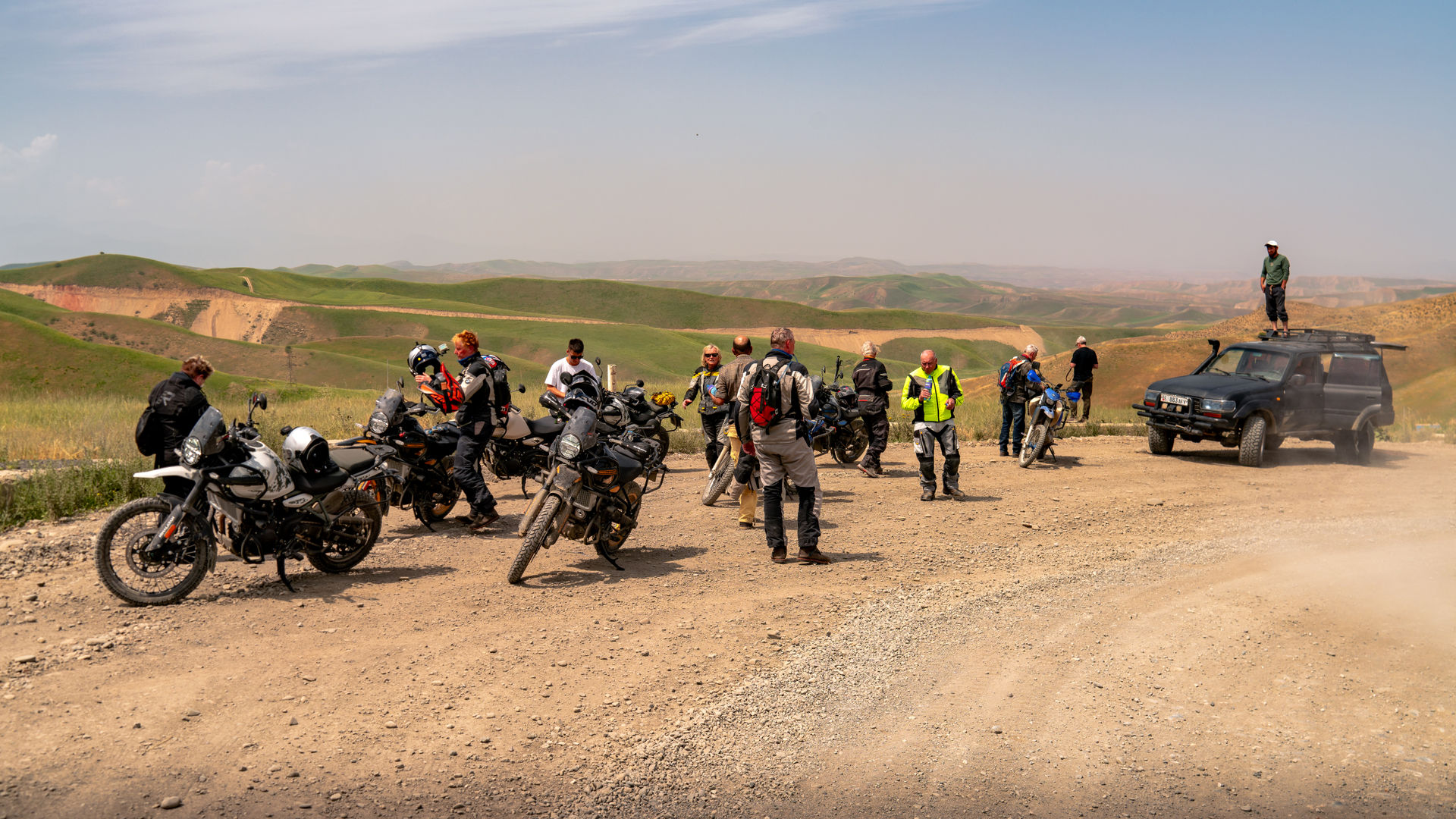
We expect to spend around five hours driving each day. The distance covered depends on the route chosen; on average, it will be between 100 and 200 km daily. Occasionally, we may drive less than 100 km, and sometimes more—always depending on what road conditions allow. The state of the roads is often more decisive than the actual distance traveled.
We generally start early enough to allow for an afternoon buffer. This ensures that, even in the event of unexpected delays, we can arrive before nightfall, as we generally avoid driving after dark.
Due to significant altitude changes and variable weather in the mountains, it’s important to be prepared for both warm and cold conditions. In the valleys, a pair of lightweight long pants and a light jacket are often enough in the evenings, while high mountain passes can bring brief periods of winter-like conditions. Quality gear is often hard to find locally, so it’s best to bring everything you need from the start.
Motorcycle gear:
Casual and everyday clothing:
Additional notes:
Packing list: All participants receive a detailed packing list with practical recommendations well before the tour begins.
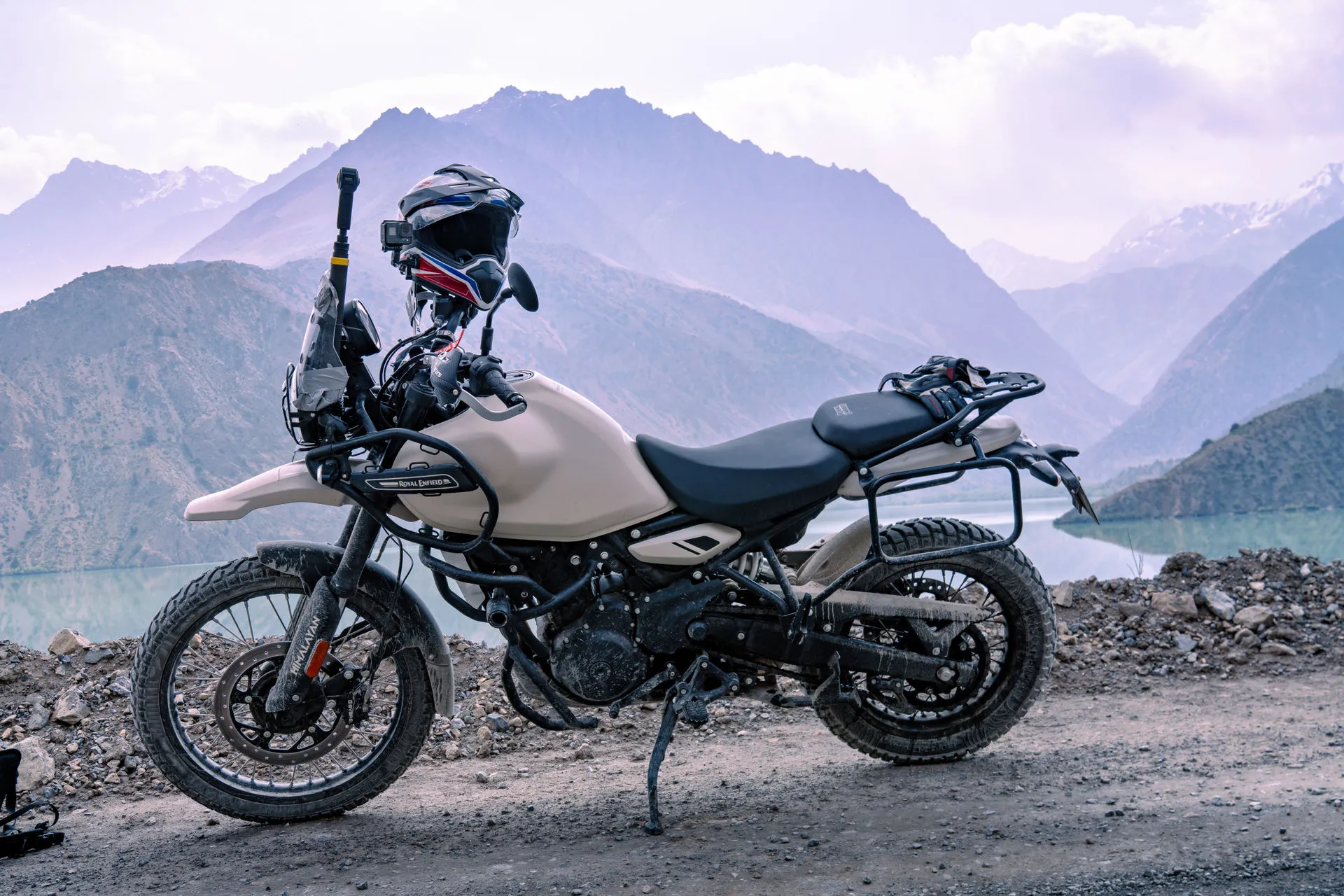
The Royal Enfield Himalayan 450.
On request, the Himalayan 411 or the legendary Royal Enfield Bullet 500 (left shift, electric starter, front disc brake) are also available.