




Asia Bike Tours will be there live – Hall B3 | Booth B3-209. Meet us in person, get inspired for your next big motorcycle journey and dive into a world of freedom, adventure and true wanderlust.
September 27, 2026
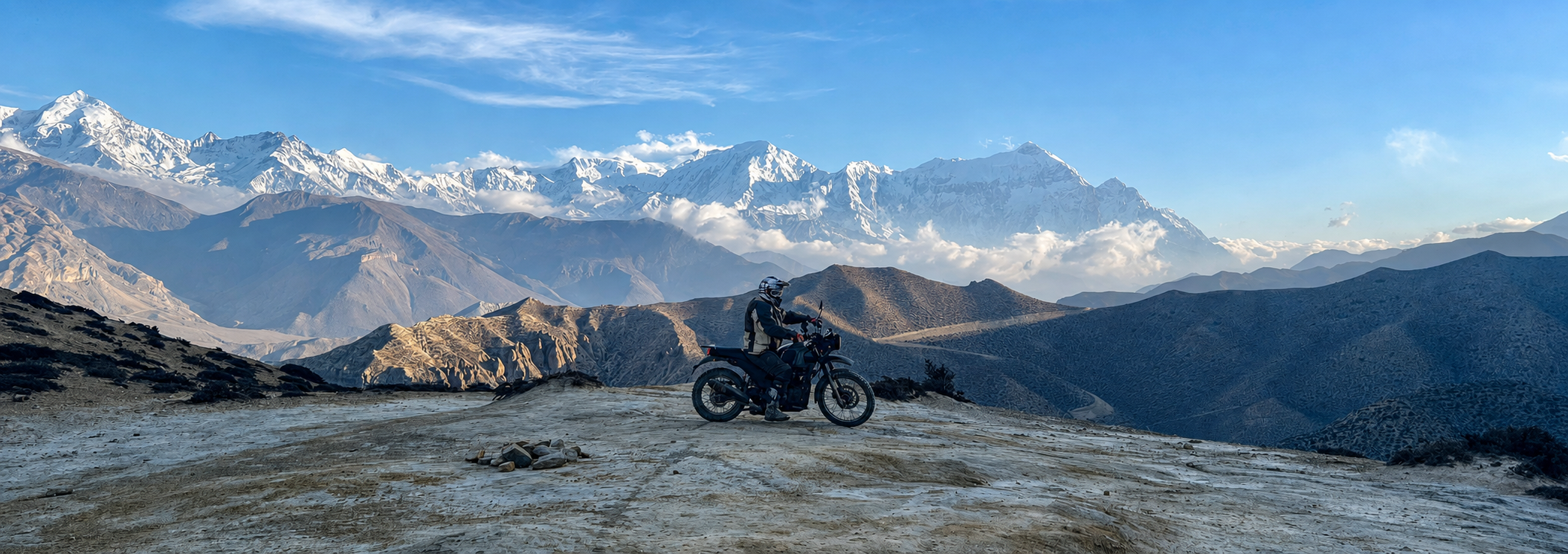
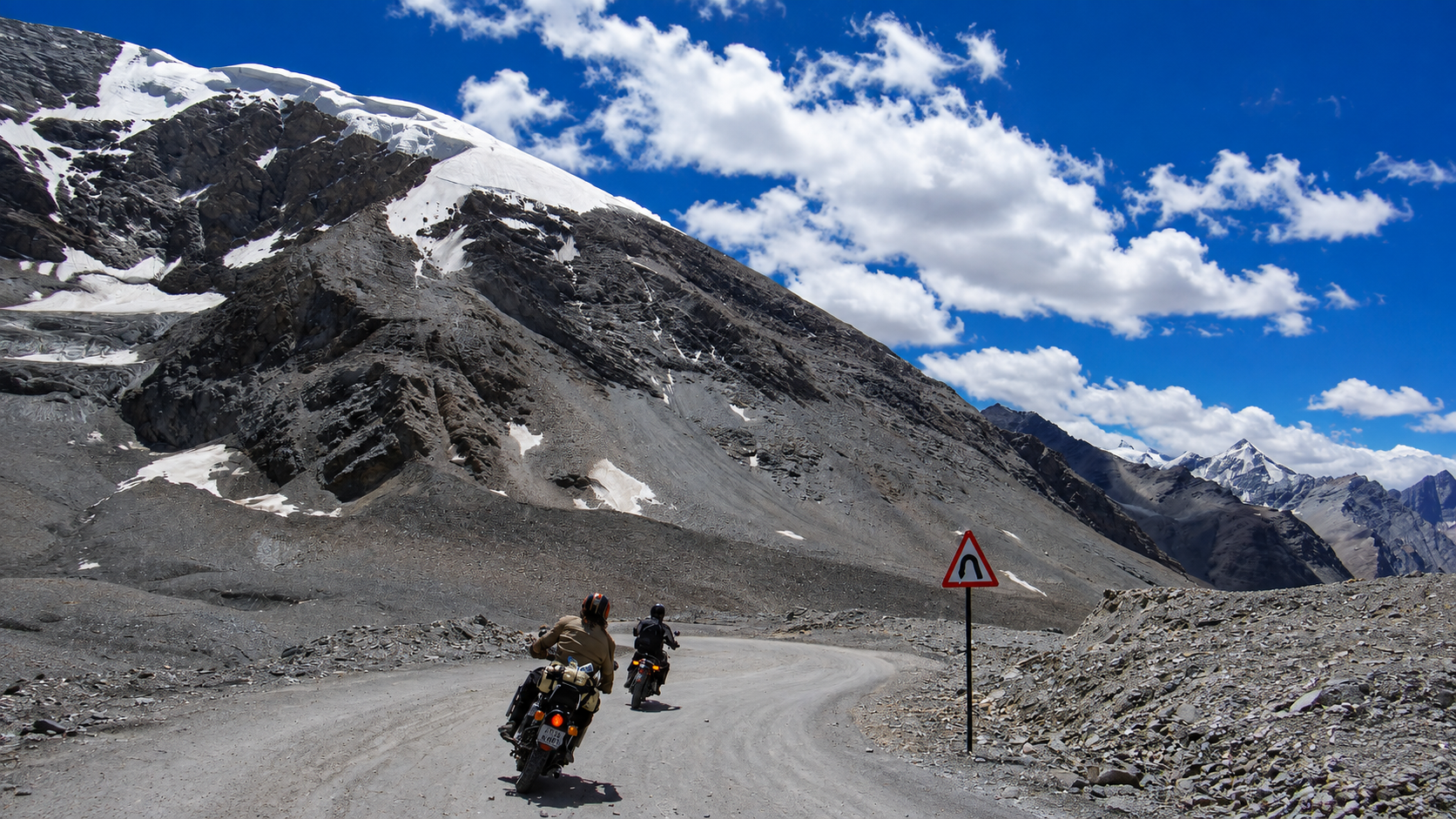
High-altitude roads, remote mountain regions and rapidlychanging conditions: what you should know before riding through Ladakh, Nepal,Bhutan, Tibet or Northern Pakistan and how Asia Bike Tours helps you prepare.
Planning a motorcycle tour in the Himalayan region isdifferent from preparing for an ordinary road holiday. Altitude affects bothrider and motorcycle, temperatures can change dramatically in a single day, and150 kilometres may take much longer than expected. Good preparation matters butthat does not mean organising every permit, motorcycle and hotel yourself.
This guide covers the essentials for riders considering ajourney through Ladakh, Nepal, Bhutan, Tibet or the Karakoram Highway.
1. Prepare for high altitude
Many routes climb above 4,000 metres, and some passes exceed5,000 metres. Mild headaches, tiredness, nausea or disturbed sleep can occurwhile the body adjusts.
Rest, drink enough water, avoid alcohol duringacclimatisation and tell your guide immediately if symptoms become stronger.Any altitude medication should be discussed with a doctor before travelling.
The itineraries are planned with acclimatisation in mind. InTibet, for example, the group spends additional time in Lhasa at approximately3,600 metres before continuing higher. The program can also be adapted whenweather, roads or a rider’s condition require it.
2. Choose the right travel season
September to November and March to May generallyoffer dry weather and clear skies across many parts of the Himalayan region.Ladakh’s highest passes, however, are mainly accessible during the summermonths, with ABT tours generally operating from June to September.
Always check the dates for the specific destination. Even inthe best season, a warm valley can be followed by strong wind, rain or briefwinter-like conditions on a high pass.

3. Be realistic about riding experience
You do not need enduro experience or exceptional fitness,but you should be comfortable handling a motorcycle. Most roads are in goodcondition, although changing weather, gravel and occasional off-road sectionsshould be expected.
Each tour page explains the terrain and required experience,helping you choose a route suited to your confidence.
4. Understand Himalayan distances
A typical riding day covers approximately 100–200 kilometresin around five hours, although conditions matter more than distance. Earlydepartures provide a buffer for traffic, roadworks, weather or unexpecteddelays and help the group reach the next accommodation before dark.
This is a central part of planning a motorcycle tour in theHimalayan region: daily distances must be judged by road conditions and ridingtime, not only by kilometres on a map.
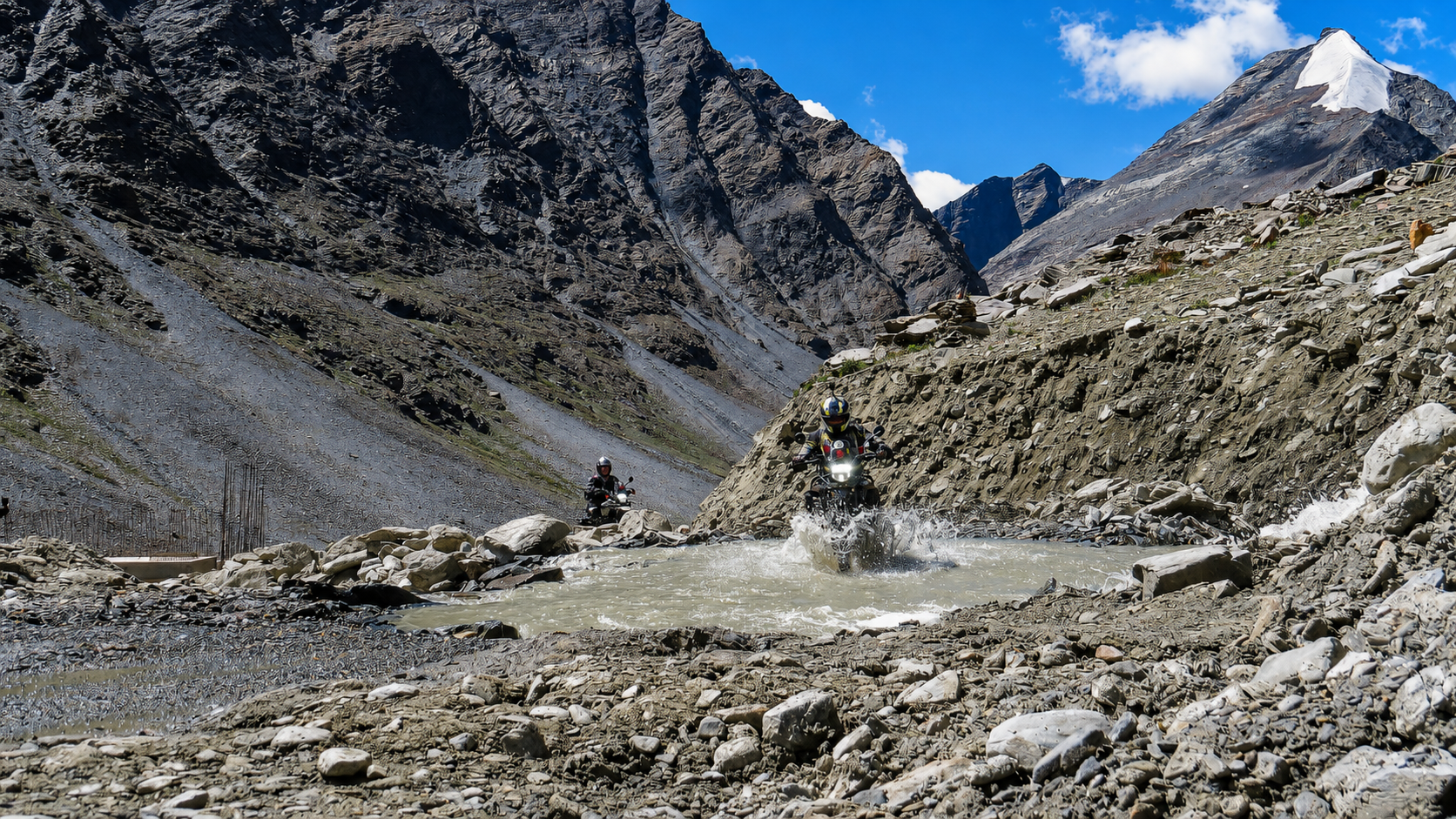
5. Use a motorcycle suited to the region
ABT provides motorcycles selected for the local terrain:
Region Typical motorcycles India, Nepal and Bhutan RoyalEnfield Himalayan 411, Himalayan 450 or Bullet 500, Tibet/China YamahaFazer/YBR 250 or CFMOTO 450MT - Pakistan/Karakoram Honda CB150 or CFMOTO 450
All motorcycles are road-legal and fitted with tyresappropriate for the region. Luggage systems and crash bars vary by model, andexact motorcycles depend on the chosen tour and local availability.
When booking, state whether you will ride solo or with apassenger so the appropriate motorcycle can be arranged.
6. Carry the correct documents
For every destination, bring:
ABT will advise you about the documents required for yourdestination and arrange tour-specific permits where included.
Visas and entry requirements
Entry requirements can change quickly. Always check officialsources and the current information supplied for your tour.
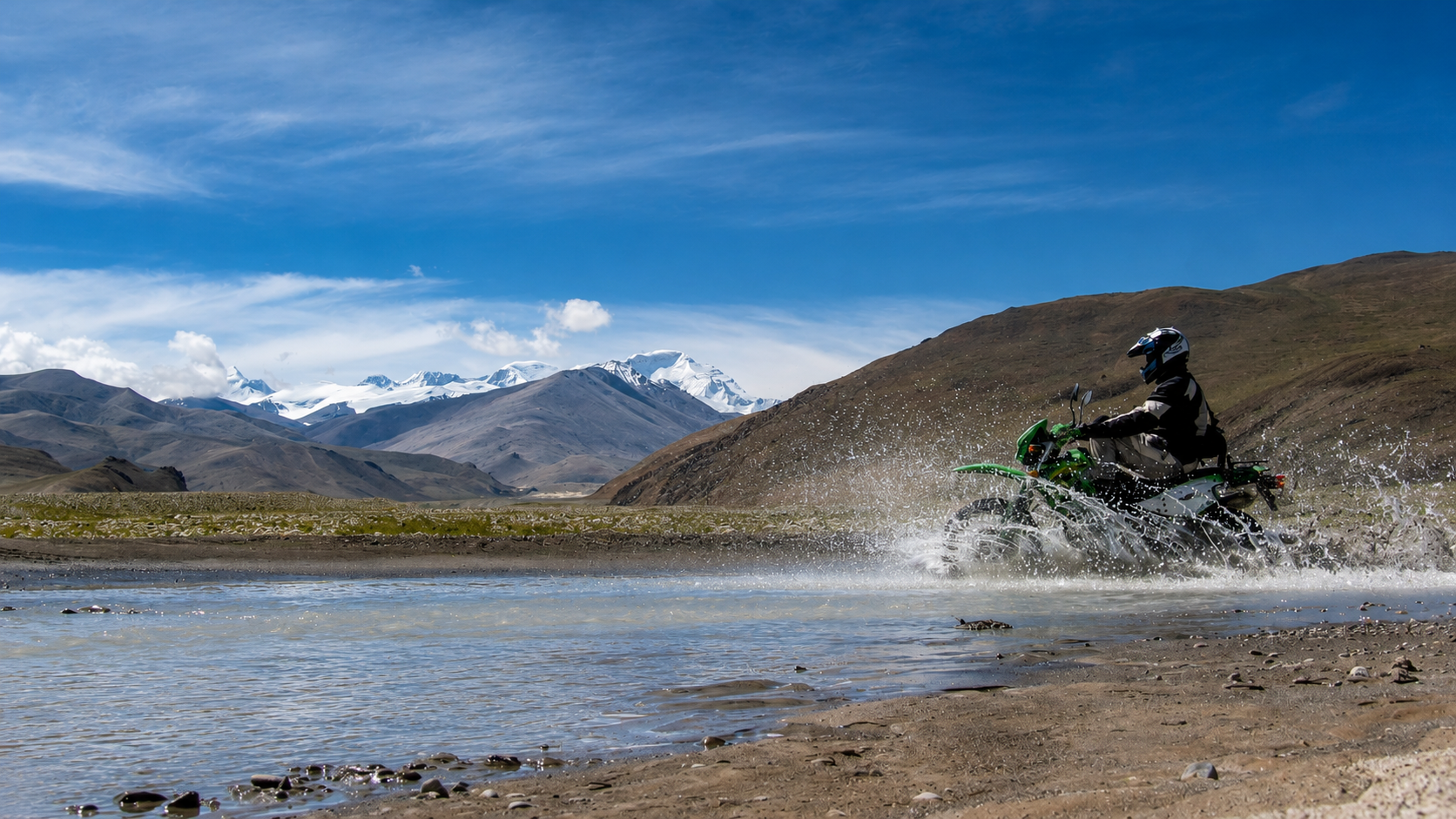
Layering is essential. Bring protectivemotorcycle clothing, sturdy ankle-high boots, warm and lighter gloves, rainprotection, thermal underwear, fleece, wind protection, a neck tube orbalaclava, sunglasses and strong sun protection. A cold morning can become amild afternoon before turning cold again at altitude.
Bring enough personal medication for theentire journey and keep essential medication in your hand luggage in casechecked baggage is delayed. A small personal first-aid kit is useful; tools andadditional first-aid supplies are carried in the support vehicle.
There is no need to load everything onto themotorcycle. Your main luggage travels in the support vehicle, while you carryonly daily essentials such as water, camera equipment and rain gear. A sturdyduffel or travel bag is generally more practical than a hard-shell suitcase,and a small daypack is ideal for the bike.
Every participant receives a detailed packinglist before departure.
For India, Nepal, Bhutan and Pakistan, carry amixture of EUR or USD notes, a Visa or Mastercard, and an ATM card activatedfor international use. Cash remains important outside larger towns. Around€200–€300 is normally sufficient for tips, souvenirs and other personalexpenses because most tour costs are included.
Tibet is different: cash is the most reliableoption, international cards and ATMs may not work, and enough money should beexchanged in Lhasa. The guide can assist.
Local SIM cards are generally easy to obtain,and the guide can help where needed. In Nepal, affordable prepaid cards fromNepal Telecom or N-cell are available at Kathmandu Airport and official shops;an original passport, a copy and sometimes a passport photograph may berequired. e-SIM options are also available. Coverage becomes less reliable inremote areas. SIM cards purchased in Delhi may not work in Ladakh, so acompatible card may need to be purchased in Leh. In Tibet, many Westernservices including WhatsApp are restricted; WeChat is the most dependableoption and should be installed before departure.
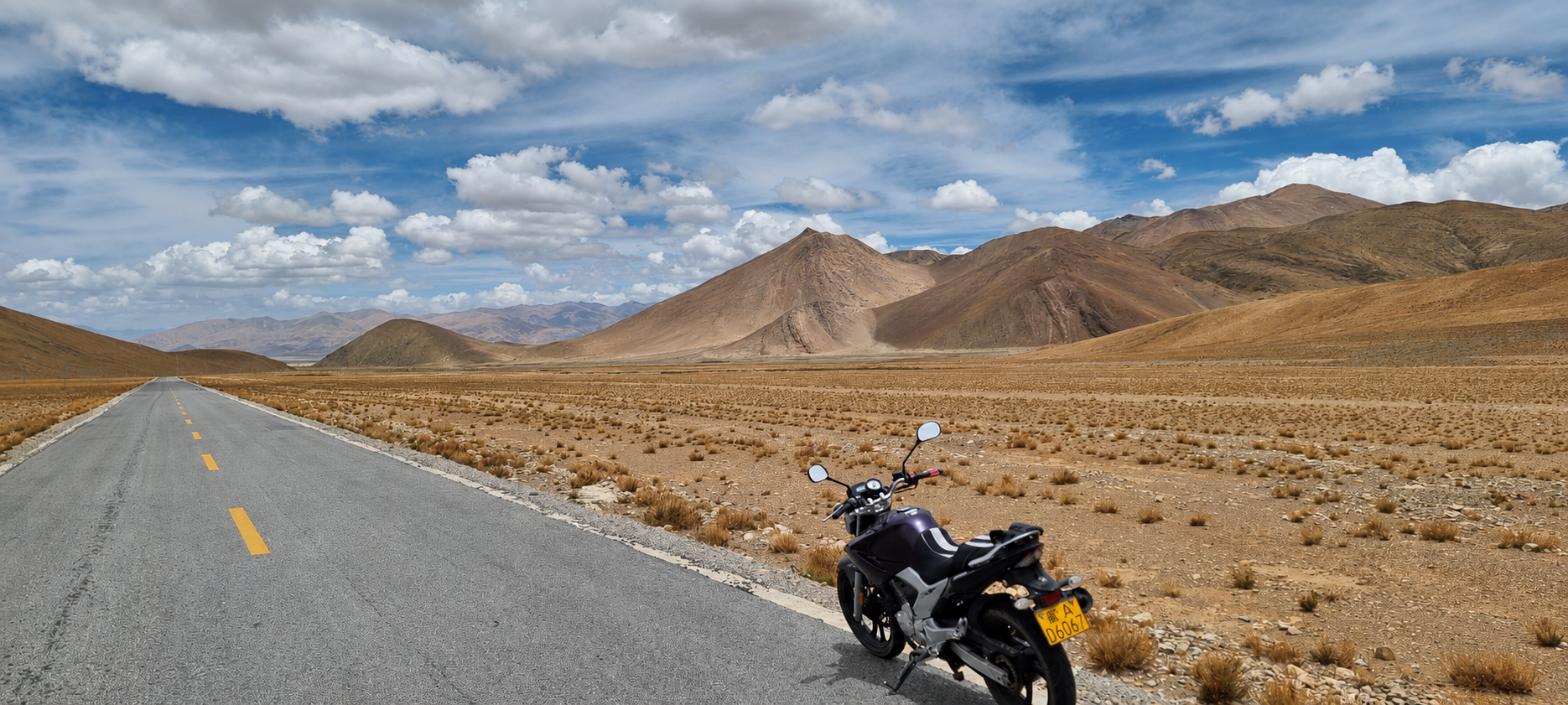
Read the exact rental and liability conditionsbefore booking. Personal travel insurance should cover motorcycle riding,medical treatment and evacuation at the relevant engine capacity and altitude.
Eat freshly cooked meals, drink sealed bottledwater and be careful with raw salads and unpeeled fruit where hygiene isuncertain. Vegetarian and vegan meals can usually be arranged. More complexdietary requirements may be difficult in remote areas, so inform ABT beforebooking and consider carrying supplementary food.
At temples and monasteries, cover shouldersand knees, remove shoes or hats where required, speak quietly and ask beforetaking photographs. Some Hindu temples in Nepal admit Hindus only. In Bhutan,smoking is tightly regulated and vaping products should not be brought into thecountry. Drone rules differ by destination, so always check national and localregulations before packing one.
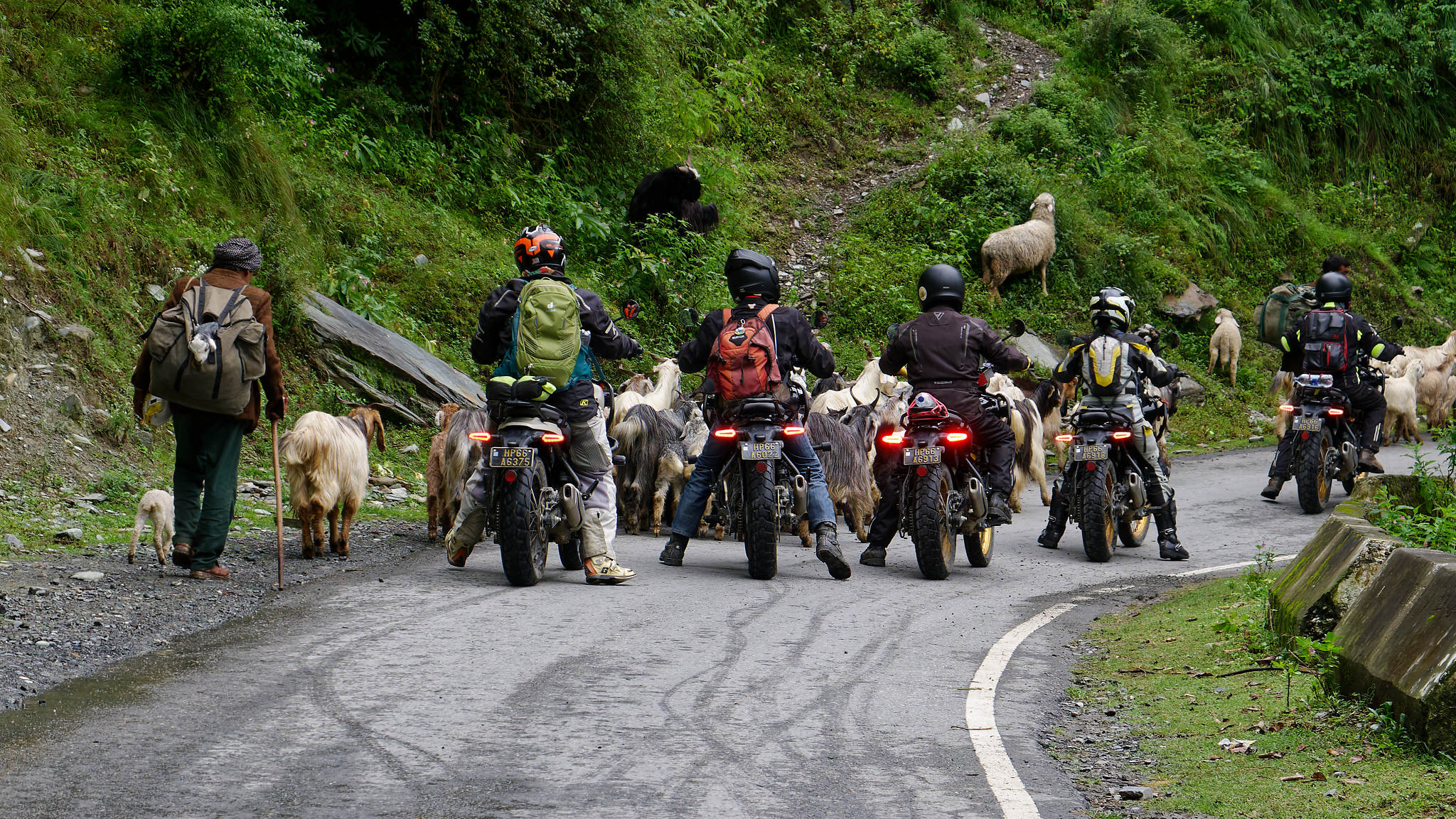
Independent travel can be rewarding, butrestricted regions, permits, language, motorcycle sourcing, breakdowns andrapidly changing roads make Himalayan journeys complicated. Bhutan and Tibetalso involve specific organised travel arrangements.
A guided motorcycle tour in the Himalayaregion removes much of this uncertainty while preserving the adventure. ABTgroups usually consist of only 4–10 riders, allowing for flexibility, a relaxedpace and easier cooperation.
How Asia Bike Tours helps
From airport pickup to the return transfer, the practicalarrangements are handled for you. ABT tours generally include:
Generally not included:
Check the individual tour page for exact inclusions and visaor permit arrangements. A refundable €500 or USD 500 cash deposit is generallypayable when the motorcycle is handed over.
Guides assist with practical local needs, while the mechanicand support vehicle help the group adapt to changing road or weatherconditions.
ABT’s approach is simple: “As organised as needed, asrelaxed as possible.”
Still have questions?
Visit our comprehensiveFAQ page for more information about motorcycles, documents, luggage, safetyand preparing for your tour.
Ready to ride the Himalayas?
Explore the currentAsia Bike Tours program, select your preferred journey and open TourDetails to see the itinerary, dates, rates and exact inclusions.
Thoughtful preparation makes all the difference. Asia BikeTours takes care of the route, motorcycles and on-tour logistics so you canconcentrate on the road, the landscape and the experience.
Entry, permit, licensing, drone and other regulationscan change. Always check current official information and the details suppliedfor your chosen tour before departure.

Asia Bike Tours will be there live – Hall B3 | Booth B3-209. Meet us in person, get inspired for your next big motorcycle journey and dive into a world of freedom, adventure and true wanderlust.
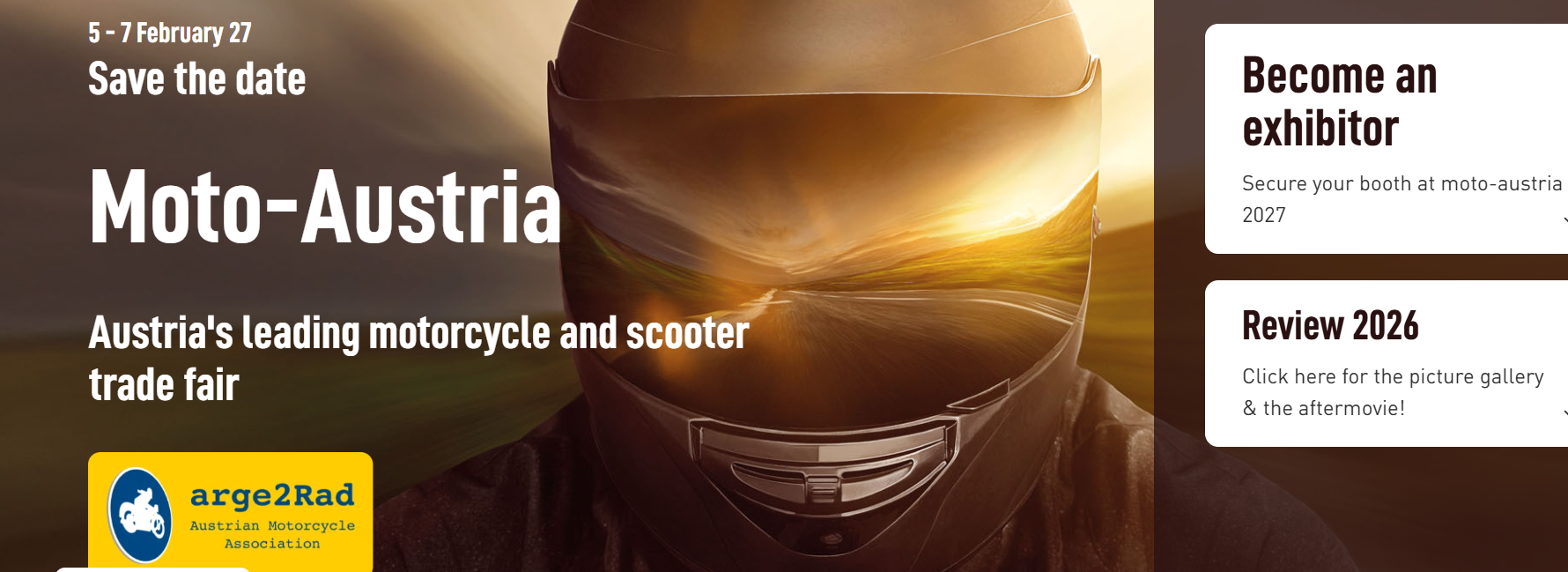
Asia Bike Tours live at Moto Austria 2027 · 5–7 February · Wels · Tour Talks, Meet & Greet & real motorcycle adventures across Asia