

Asia Bike Tours at the 40th Gurkentreff 2026 🏍️ Motorcycle journeys from the Alps to the Himalayas 📍 Thumsee · May 30 · from 12:00 pm 🔥 Talks, stories & campfire
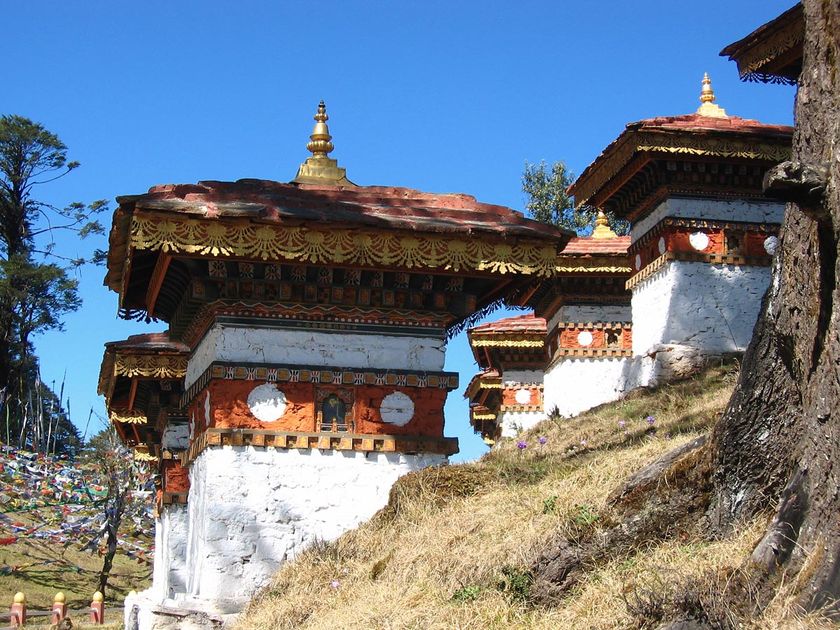
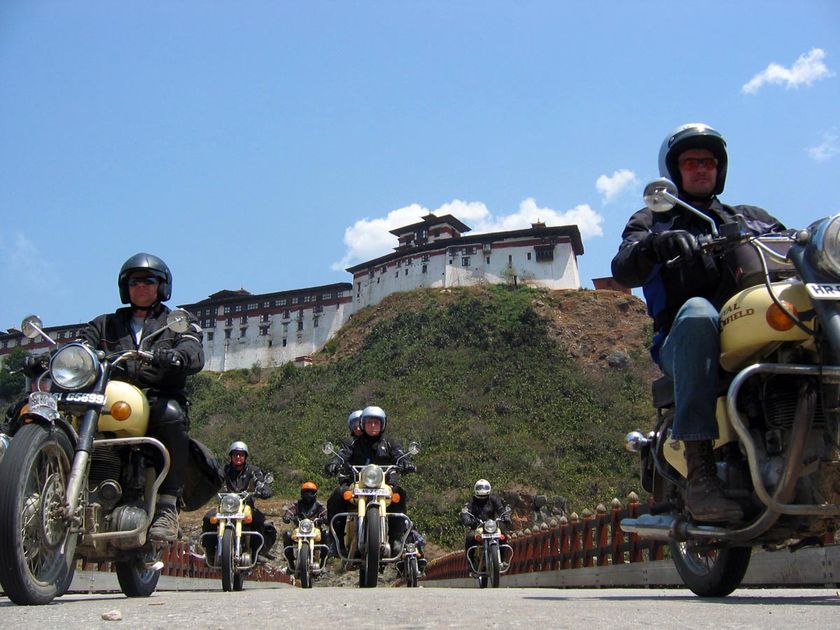
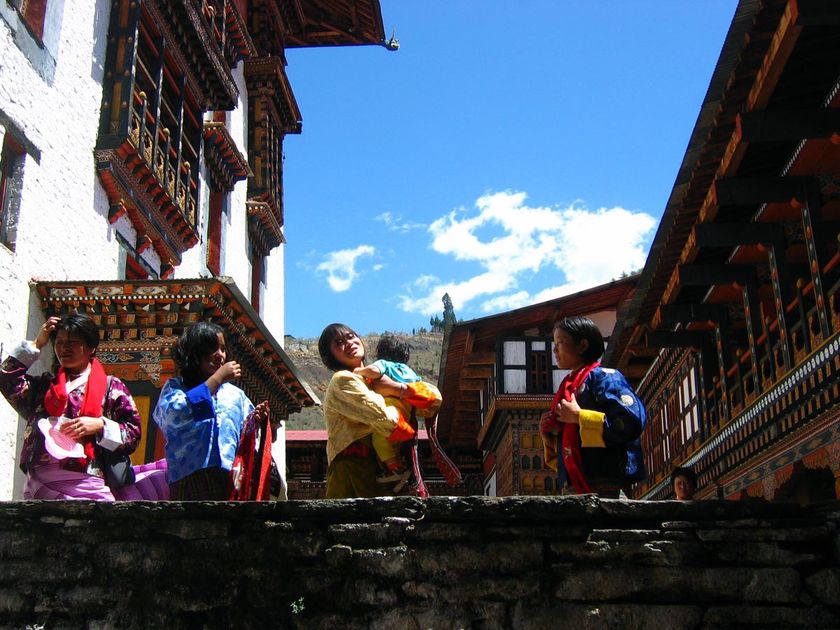
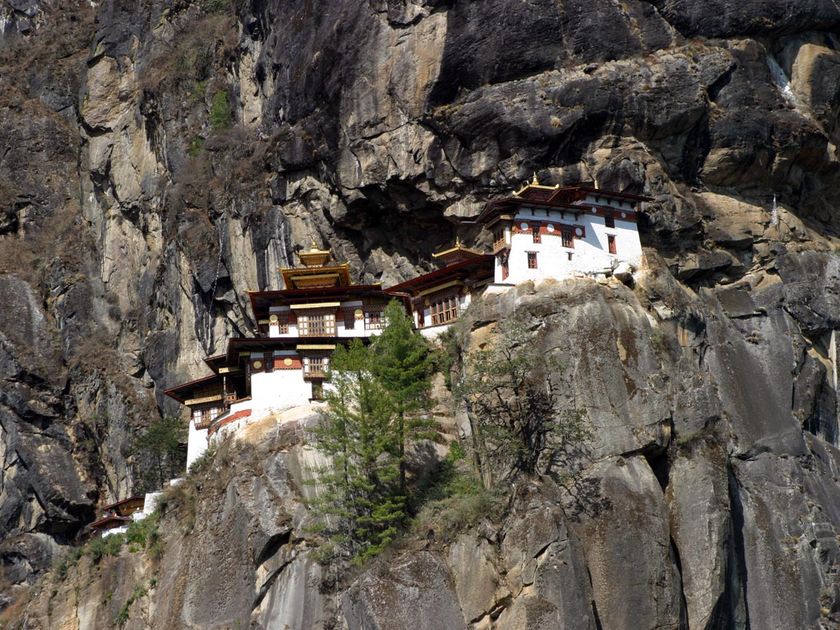
Diese 11-tägige Motorradreise durch Bhutan führt durch eines der außergewöhnlichsten und zugleich am wenigsten bereisten Königreiche des Himalaya. Die Reise beginnt in Phuntsholing an der indischen Grenze, wo die Straße unmittelbar in eine Welt aus weiten Kurven und dramatischen Höhenunterschieden ansteigt. Von dort schlängelt sich die Route durch spektakuläres Bergterrain bis zum ikonischen Tigernest-Kloster, Paro Taktsang, das hoch über dem Tal nahe Paro auf einem Felsvorsprung thront.
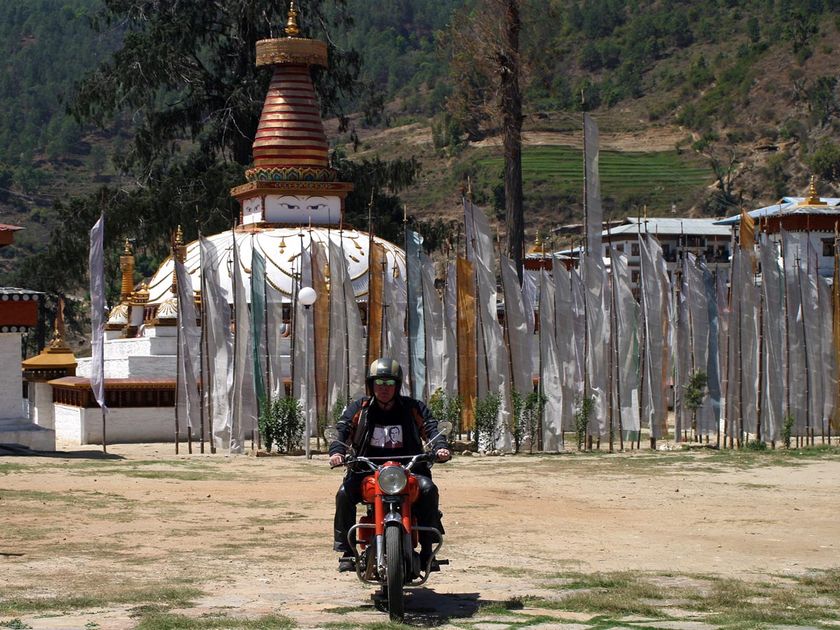
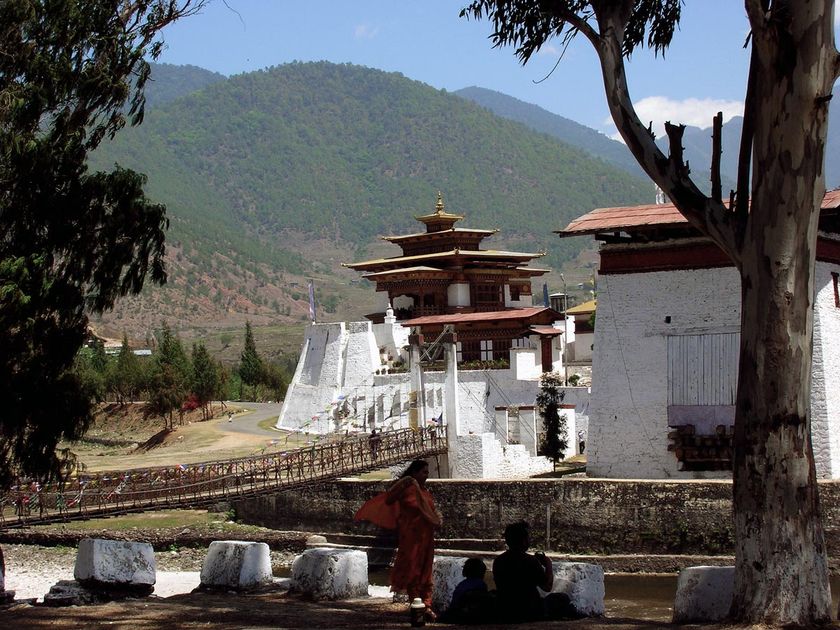
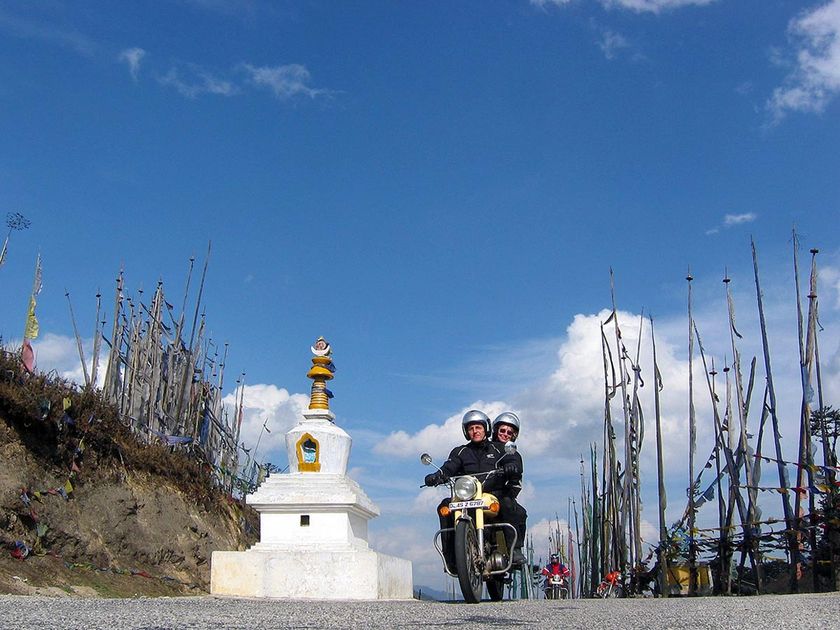
Zwischen der Hauptstadt Thimphu und den historischen Tälern von Punakha und Jakar entfaltet sich eine Strecke voller enger Serpentinen, hoher Pässe, weiter alpiner Landschaften und an steile Felsen geschmiegter Klöster. Jede Etappe wirkt wie aus einem Film — lange, offene Straßen, klare Himalaya-Luft und der gleichmäßige Klang des Motors, der durch tiefe Täler hallt. Motorradfahren zeigt sich hier in seiner reinsten Form: intensiv, anspruchsvoll und zutiefst erfüllend.
Thimphu gilt als einzige Hauptstadt der Welt ohne Ampeln — ein passendes Detail in einem Land, das Fortschritt nicht allein am wirtschaftlichen Wachstum misst, sondern am Konzept des Bruttonationalglücks, das sogar in der Verfassung verankert ist.
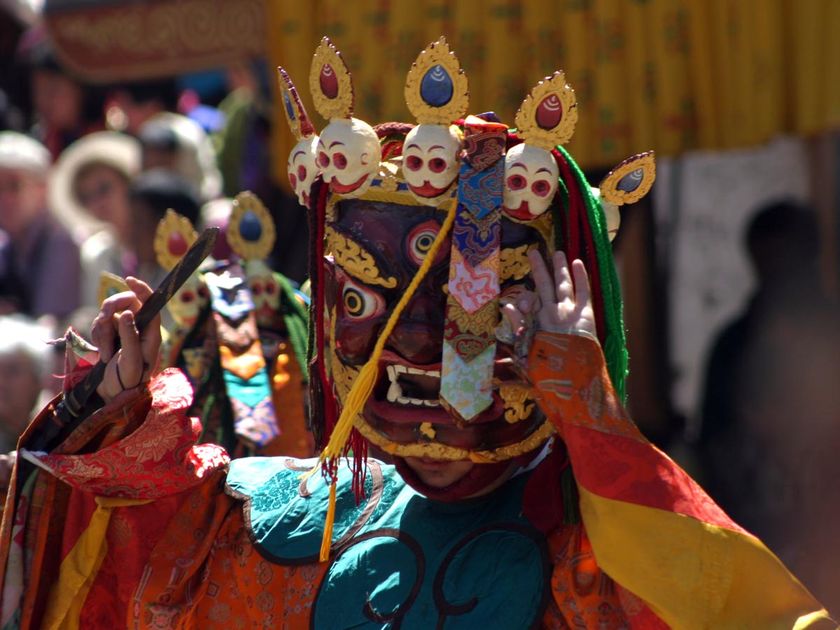
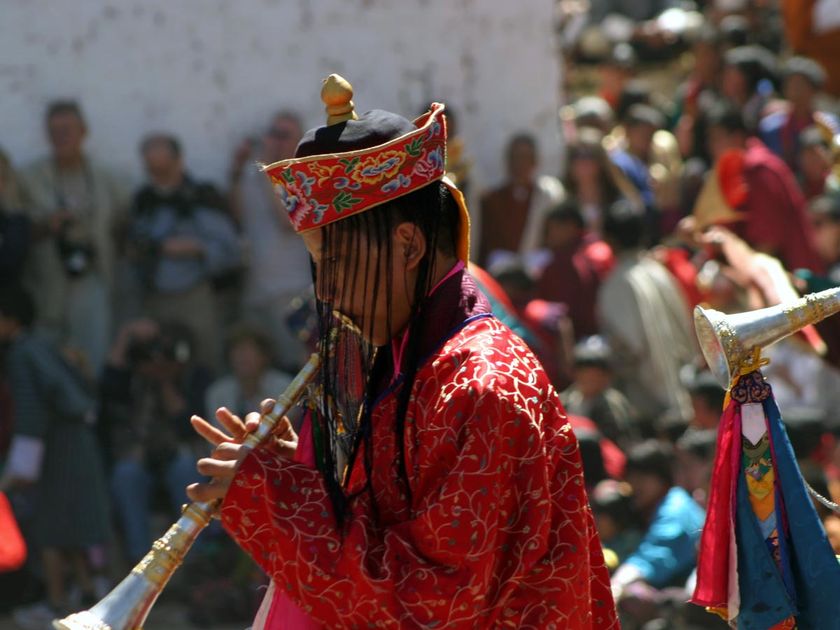
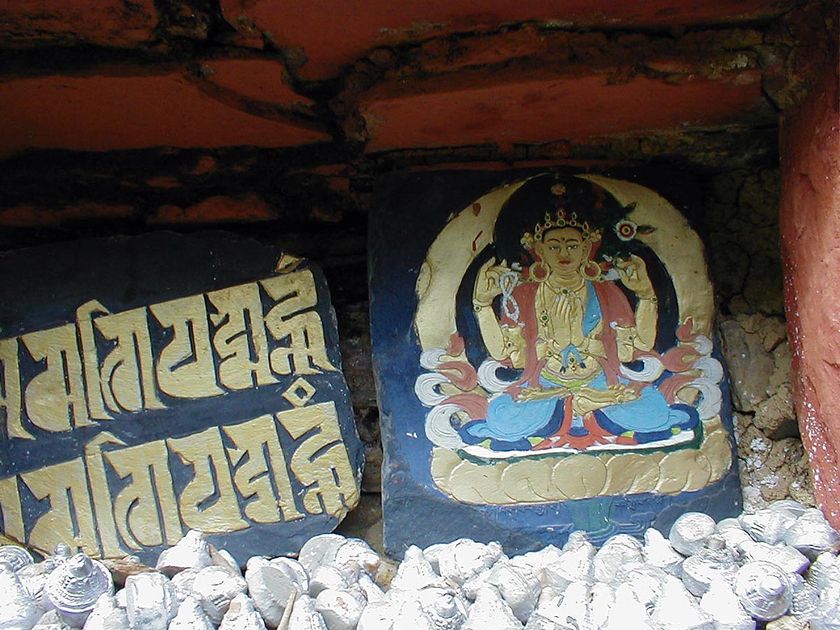
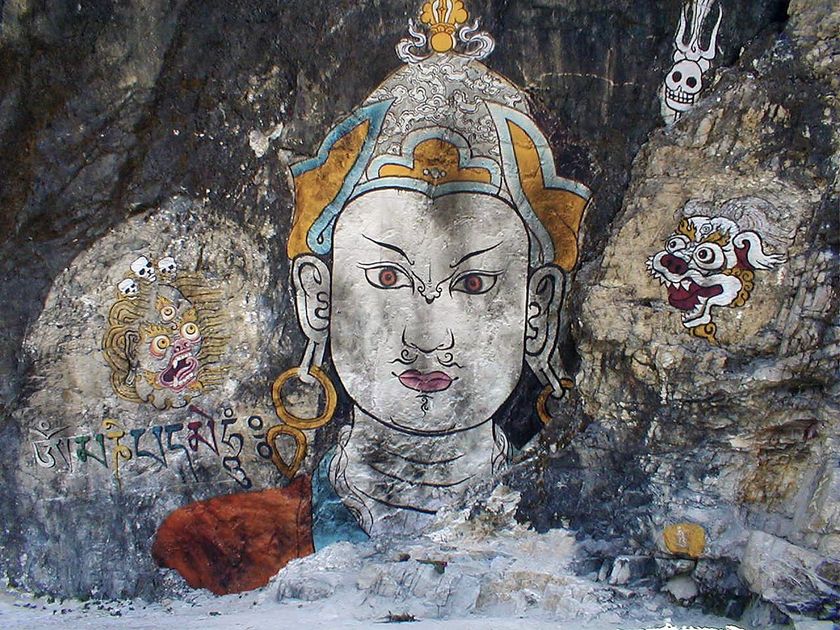
Oft als „Land des Donnerdrachens“ bezeichnet, bietet Bhutan eine Erfahrung, die zugleich ursprünglich und kultiviert wirkt. Jahrhundertealte Traditionen, tief verwurzelter tibetischer Buddhismus und streng geschützte Naturlandschaften schaffen eine Kulisse, die weltweit ihresgleichen sucht. Diese geführte Motorradreise durch Bhutan ermöglicht einen seltenen Zugang zu dieser Welt und verbindet technisch anspruchsvolles Fahren im Hochgebirge mit eindrucksvollen kulturellen Begegnungen.
Das Ergebnis ist weit mehr als eine Tour. Es ist eine unvergessliche Fahrt durch den Himalaya — epische Straßen, kraftvolle Landschaften und Momente der Stille, die noch lange nachklingen, wenn der Motor längst verstummt ist.
Rider: 5,450 €
Co-rider: 4,950 €
Single room supplement: 480 €
The price includes Bhutan's Sustainable Development Tax of $200/Person/Day
11 Days / 10 Nights (all in Bhutan) / 9 Riding Days (all in Bhutan)
Rider: € TBA
Pillion Rider: € TBA
Single Room Supplement: € TBA
The price also includes Bhutan’s Sustainable Development Fee of USD 100 per person per day.
11 days / 10 nights (all in Bhutan) / 9 riding days (all in Bhutan)
Yes. You must carry an international driving permit along with your national driving license. It’s not always checked, but you’ll need it if you’re stopped.
It is recommended to carry a mix of cash (USD or EUR), a credit card, and an ATM card (Visa and Mastercard are more widely accepted, while American Express and Diners are less common). Make sure your ATM card is activated for international use outside European countries—this is often referred to as “Geo Control” at your bank.
Card payments are not accepted everywhere, so having cash on hand is important. Only carry undamaged notes, as even slightly torn or marked bills are often refused. Smaller denominations are recommended for tips.
In larger towns, ATMs are generally available, but they are less common than in Europe. Cash can be changed at airports, hotels, and official exchange offices.
There have been isolated cases of ATM tampering and card data misuse. To minimize risk, use only ATMs located in secure, busy areas—such as inside banks or large hotels, or those recommended by our tour guide.
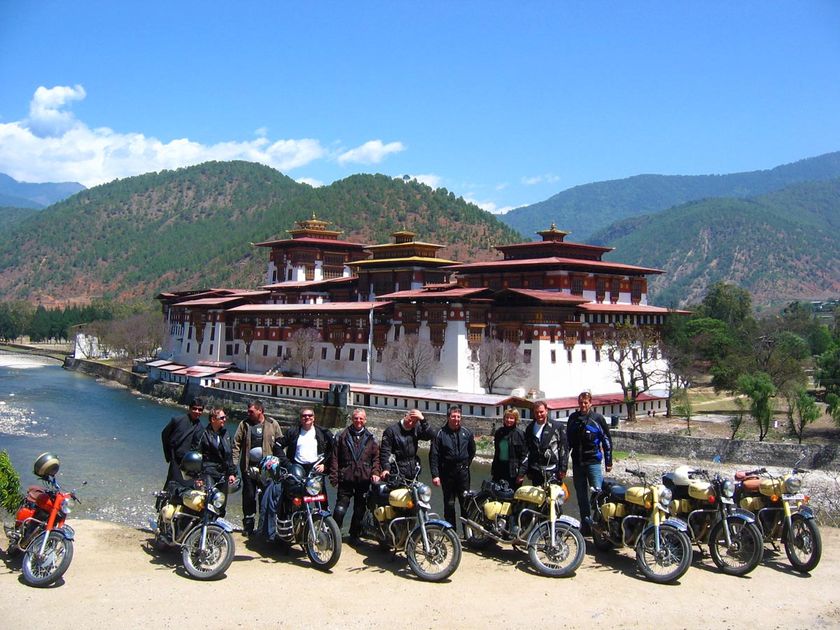
The Royal Enfield Himalayan 450.
On request, the Himalayan 411 or the legendary Royal Enfield Bullet 500 (left shift, electric starter, front disc brake) are also available.
Visa and entry regulations may change at any time. The following information is provided for general guidance only. Please always check the official Bhutanese government websites for the latest information.
Bhutan follows a controlled tourism policy. Independent travel without a pre-arranged tour is generally not permitted.
Citizens of most countries (including EU member states, the USA, Australia, etc.) require a visa to enter Bhutan.
The visa must be arranged prior to travel through a licensed Bhutanese tour operator or an international partner agency. Individual visa applications without a booked tour are generally not possible.
Asia Bike Tours handles the complete visa application process as part of the tour.
After full payment and approval, an official Visa Clearance Letter is issued. The actual visa is stamped into the passport upon arrival at Paro International Airport or at an approved land border crossing.
International visitors (with the exception of Indian nationals) are required to pay a daily Sustainable Development Fee (SDF). This fee is alsoincluded in the tour price.
The passport must be valid for at least six months at the time of entry and contain sufficient blank pages. A return or onward ticket is required.
Yes, it is generally easy for international visitors to obtain a local prepaid SIM card in Bhutan.
SIM cards are available at Paro International Airport as well as in larger towns such as Thimphu and Paro. You will usually need your passport and your visa or visa clearance letter.
The main providers are B-Mobile (Bhutan Telecom) and TashiCell. Mobile data works reliably in cities and along major roads, while coverage in remote mountain areas can be limited.
Photography in Bhutan is generally allowed, but there are important cultural and legal considerations.
Temples, monasteries, and religious sites often have restrictions—ask for permission before photographing monks, religious rituals, or sacred objects.
People’s privacy should always be respected; always ask before taking close-up photos of locals.
In government buildings, military sites, and some border areas, photography is strictly prohibited. Drone use requires a special permit.
Flying drones in Bhutan is strictly regulated. Tourists are not allowed to bring or use drones without a special permit from the Department of Civil Aviation.
Even with a permit, usage is limited to approved areas, and flying over religious sites, government buildings, or crowded places is prohibited.
Violating drone regulations can lead to confiscation, fines, or legal action.
For entry into Bhutan, no vaccinations are required.
However, travelers arriving from a yellow fever risk area must present a valid yellow fever vaccination certificate.
It is generally recommended to consult a travel medicine specialist before the trip for advice on vaccinations and individual health protection.
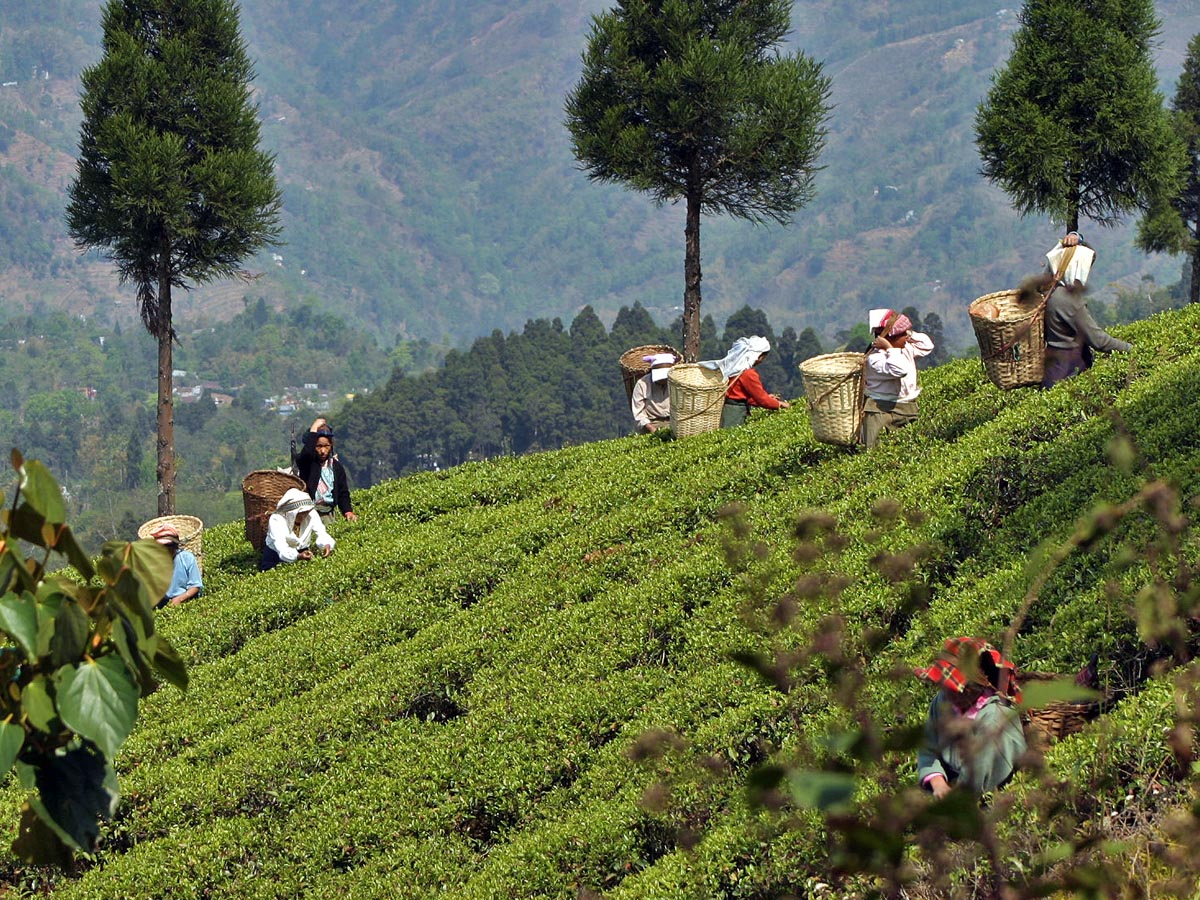
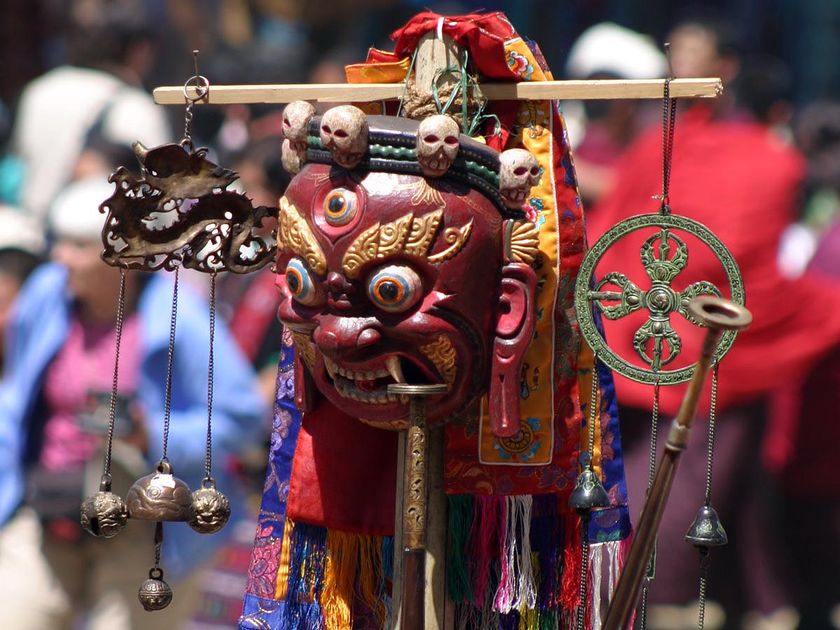
Typical souvenirs from Bhutan include traditional textiles like handwoven clothing, scarves, and tablecloths, Thangka paintings (religious scrolls), Buddha statues and masks, handcrafted jewelry made of silver or semi-precious stones, as well as local herbs, spices, and tea.
Small wood or paper crafts, postcards, stationery, and Bhutanese coins are also popular keepsakes.
In Bhutan, it is important to show respect for religion and tradition. When visiting temples, monasteries, or religious sites, shoulders and knees should be covered, hats removed, and shoes taken off.
Photography is often only allowed with permission. Loud conversations, arguments, or inappropriate behavior in religious or public spaces should be avoided. A common greeting is a slight nod or placing hands together in front of the chest (Namaste).
It is also important to respect local culture, clothing, and customs and to dispose of waste properly.