


Asia Bike Tours live at Moto Austria 2026 · February 6–8 · Wels · Tour talks, meet & greet and real motorcycle journeys through Asia
Discover Vietnam by Motorcycle – Epic, Authentic, Unforgettable
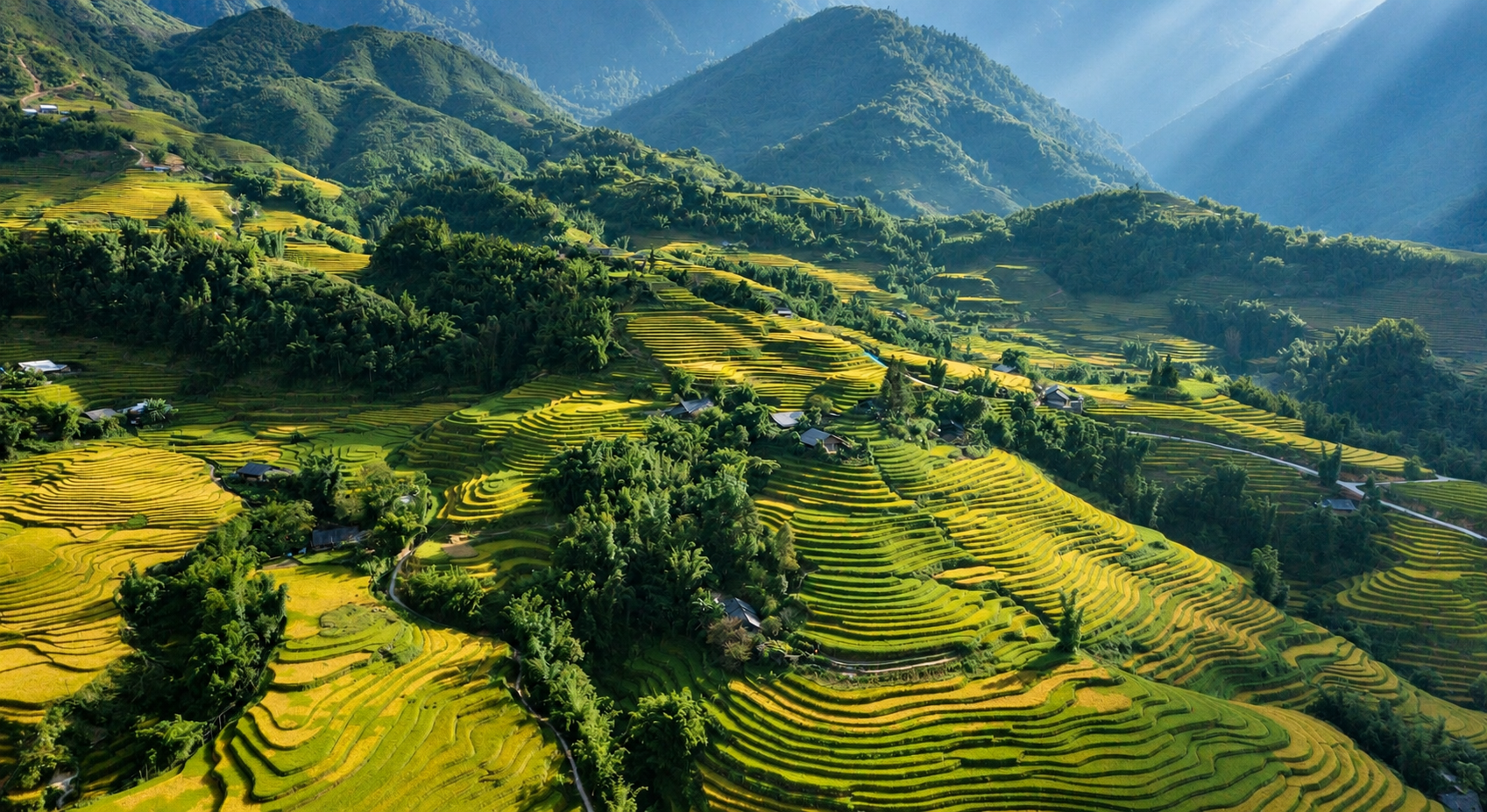
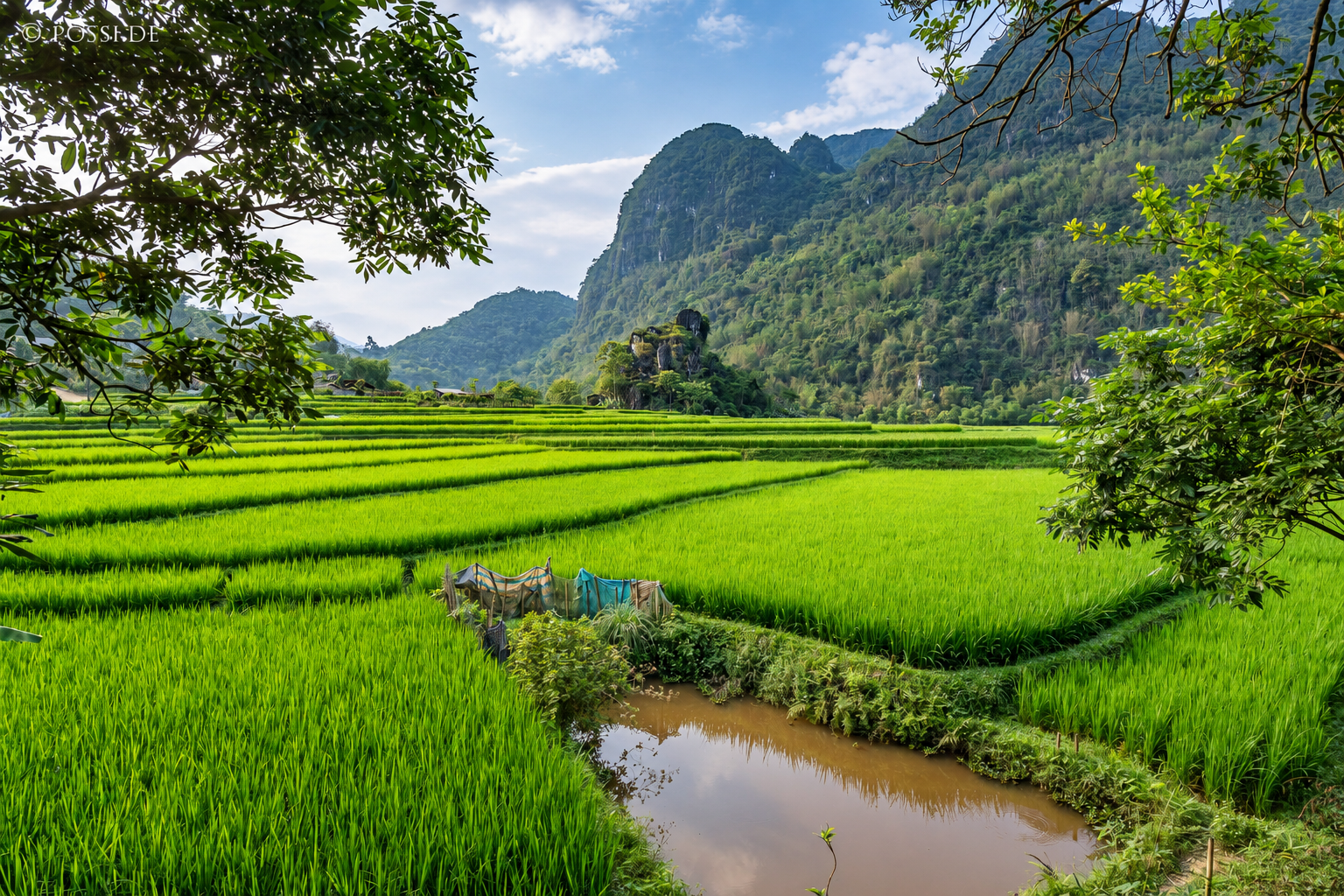
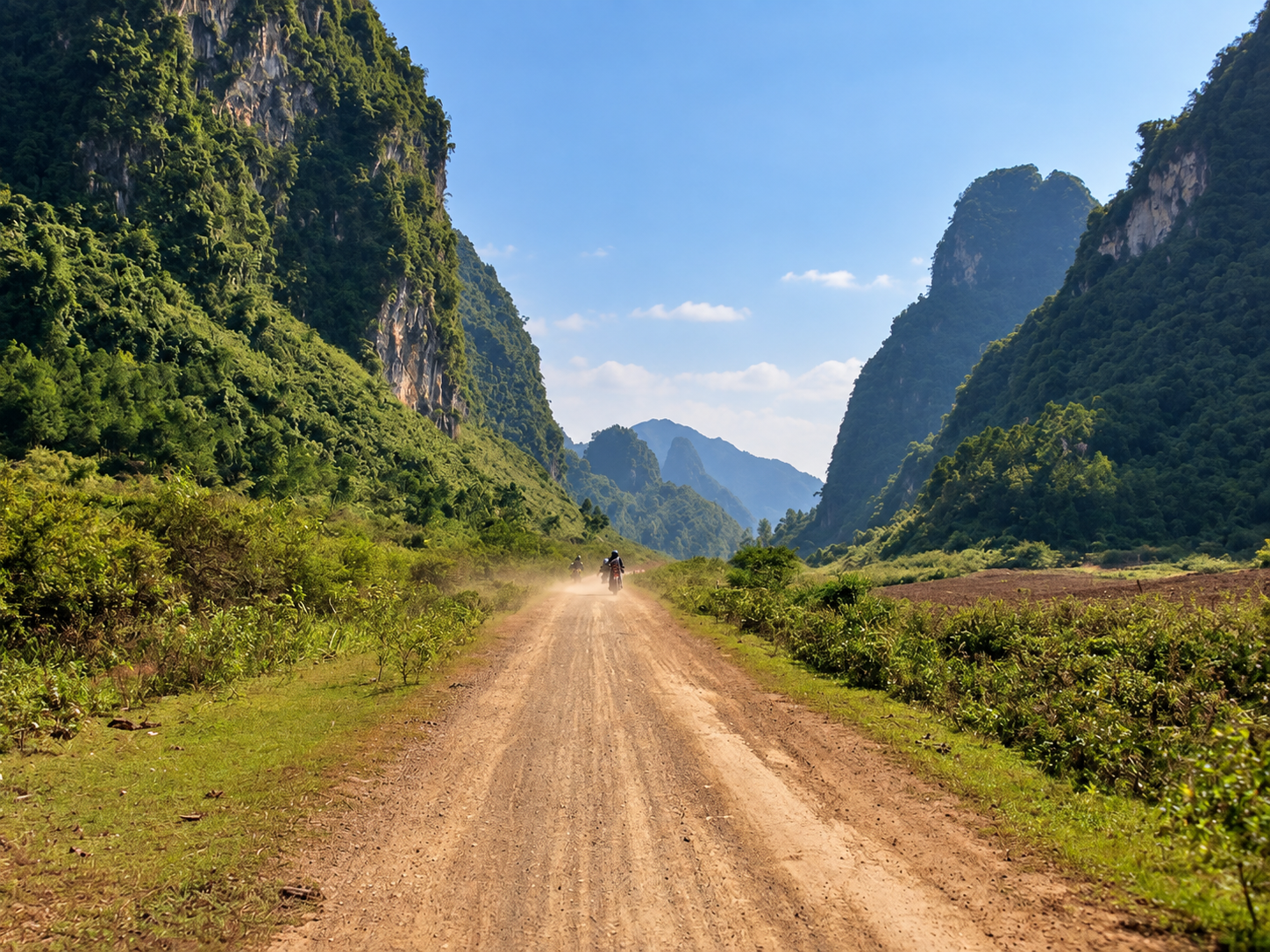
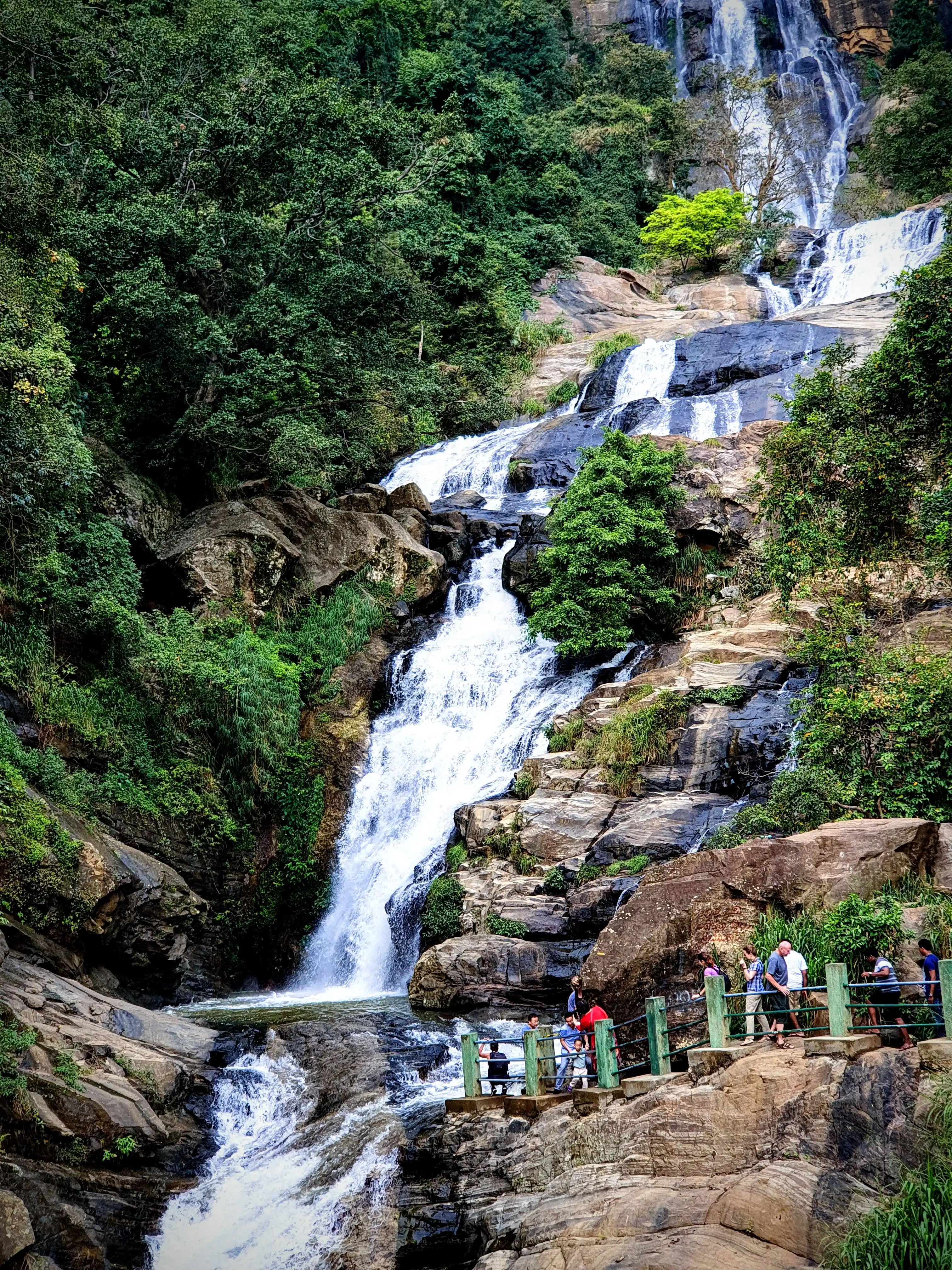
Ready to ride through some of the most breathtaking landscapes Southeast Asia has to offer? Join us on a 12-day guided motorcycle tour through the captivating mountains, valleys, and ethnic villages of Northern Vietnam. From the world-famous Ban Gioc Waterfalls and the dramatic Dong Van Karst Plateau to the tranquil beauty of Ba Be National Park – every day is packed with highlights, scenic roads, and memories that last a lifetime.
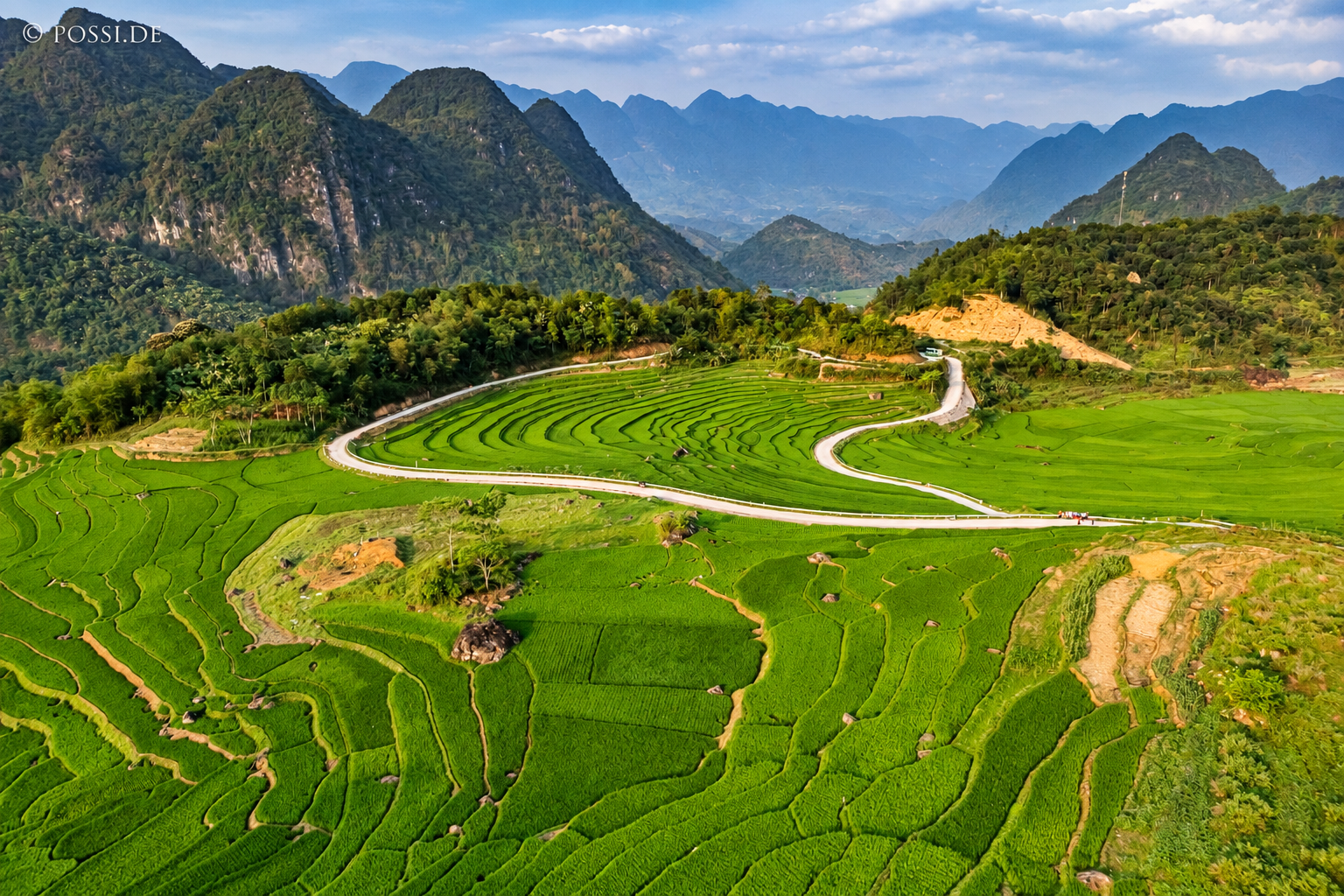
Our thoughtfully crafted route takes you from the lush Pu Luong Nature Reserve to the legendary Ha Giang Loop and into the remote northeast, along winding mountain passes, ancient trade routes, and far off the beaten path.
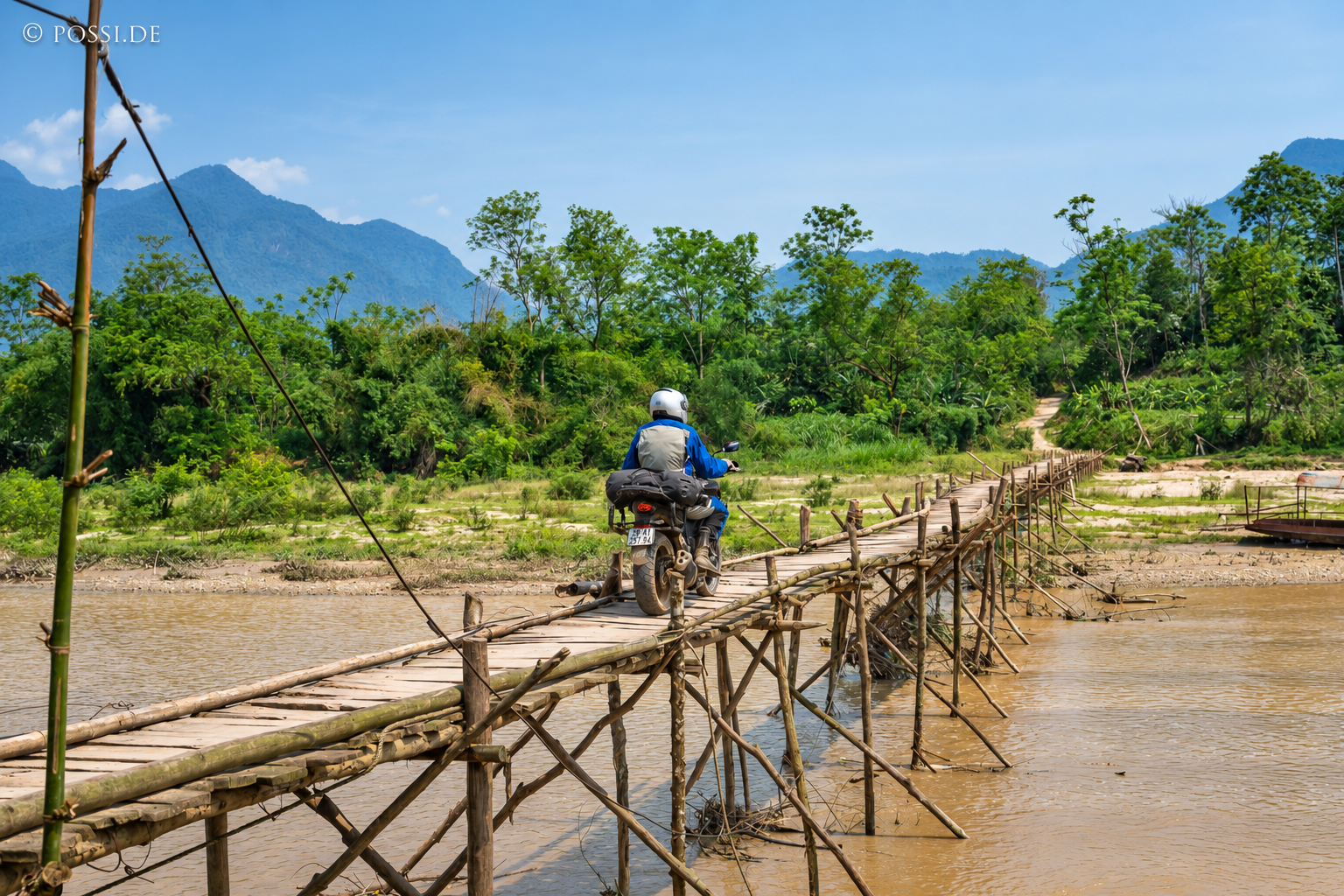
But this journey is about more than just riding. It's about connection – with the land, the people and the culture. You’ll stay in traditional homestays, enjoy locally prepared meals, share stories with villagers, relax in peaceful lodges, and even float down a bamboo raft along the Chinese border.
If you're craving an adventure that blends epic rides with meaningful moments, then saddle up and experience the untamed beauty of Vietnam – one curve, one encounter, one unforgettable day at a time.
Rider: 3.450 €
Pillion-Rider: 2.950 €
Single Room Supplement: 480 € (Not always possible)
Rider: 3.450 €
Pillion-Rider: 2.950 €
Single Room Supplement: 480 € (Not always possible)
Rider: 3.450 €
Pillion-Rider: 2.950 €
Single Room Supplement: 480 € (Not always possible)
Date: 01/11/2026 bis 12/11/2026
Rider: 3.450 €
Pillion-Rider: 2.950 €
Single Room Supplement: 480 €
Yes An international driving license in combination with the national driving license is mandatory. It is not always checked, but in case of failure, it must be presented.
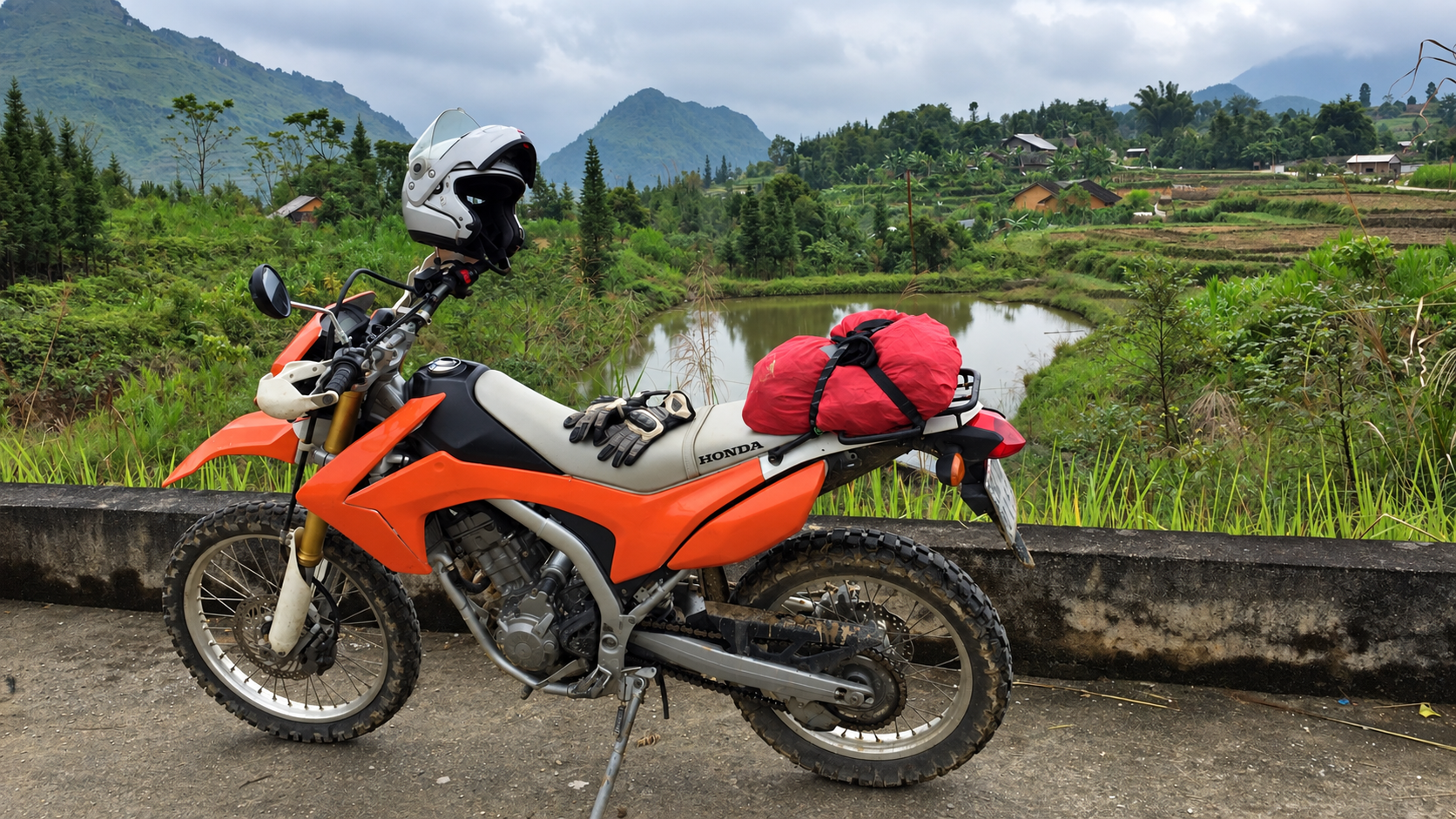
Honda CRF 250L, CF Moto 450MT, Honda CB 500X
It is recommended to bring a mix of cash (USD, EUR), a credit card (Visa and Mastercard suitable; American Express and Diners less common) and an ATM card. The latter should be activated for use in foreign European countries during the travel time (“Geo Control”) .In Vietnam, card payment is not yet widespread across the area: Credit or bank cards are often accepted in larger cities and tourist areas (hotels, larger restaurants, supermarkets), in rural regions, on markets Or in the case of street workers, on the other hand, almost exclusively cash. Tips should be used in small notes, coins are less practical. ATMs are widely used in larger towns. It is possible to exchange money at the airport (often without high fees) or in numerous exchange offices and in some shops. When it comes to cash, make sure that the notes are as easy as possible, as small coins often mean that notes are not accepted.
Yes, upon arrival, there are stations at airports that offer tourists SIM cards at fair prices. The provider Viettel (best network coverage, especially in rural areas) is recommended. The mobile network is very well developed, and a personal SIM card is also more secure than open WLAN networks.
Visa requirements may change at any time. Therefore, always check the latest information on official government websites. The following information is for guidance only. Austrian citizens require a visa to enter the country. The passport must be valid for at least one month longer than the visa. E-visas must be presented in printed form upon arrival; the presentation only in digital form is not sufficient. Online visas, for example, are available here: https://evisa.gov.vn/. E-visas can also be applied for by other agencies, usually at higher costs. German and Swiss citizens can travel visa-free for stays of up to 45 days. The passport must be valid for at least six months after the end of the stay upon arrival. A booked return or onward travel ticket should be available. It is advisable to bring proof of sufficient funds for the stay.In Vietnam, there is a requirement for identification; an ID must be carried at all times. In addition to the national driving license, an international passenger license issued in accordance with the Vienna Road Transport Agreement of 1968 is required. Other versions (1926 or 1949 agreement) are not recognized. The documents listed here (except passport) are not always checked, but should be available in any case.
Various sources provide different information on this: they range from legal for private imports for personal use to three whole shells with a maximum total weight of 3 kg per person when transported in personal luggage to complete bans, especially for protected species. Sand and pebbles must not be brought along. As a result, refrain from these gifts.
Vietnam offers a variety of impressive photo opportunities that people like to remember, but general photography bans must be observed, such as military and military facilities. In Buddhist temples, photography is sometimes not permitted or is only allowed to a limited extent. When taking pictures of people - especially on markets - you should always ask for permission beforehand, either by asking questions or with a friendly gesture. Less common among us, but common in many Asian countries: Many people prefer to be photographed in conscious poses that they find beneficial. Showing the photo afterwards often results in a friendly smile and makes contact with the local community easier. When taking pictures of elephants, flash should not be used, as a frightened elephant can react dangerously. In shopping centers and at shows, photo and video recordings are often only permitted with the express permission of the operator.
In principle, flying drones is allowed in Vietnam, provided that the numerous regulations and special bans are observed. Sounds complicated — and it is. All drones must be insured, and the Civil Aviation Authority of Vietnam (CAAV) requires a permit for every flight. It is best to apply for this at least 14 days in advance, including detailed information about the location and time of the planned flight. The not inconsiderable costs are lost if the weather does not play along on the scheduled flight day. Legal aspect: For tourists, it is very difficult to obtain a drone permit themselves. It is easier to hire a local company to apply. Practical aspect: In theory, the approval process is uncomplicated, but in practice it is complex, time-consuming and chargeable - effort that most people would rather refrain from. That is why many tourists fly their drones without official approval, especially in less regulated rural areas or on the coast. Authorities have the right to seize drones, particularly in larger cities such as Hanoi or Ho Chi Minh City. Of course, military installations and no-fly zones around airports must be respected at all times. The regulations are subject to constant changes. It can be assumed that many drone images published online by tourists were taken illegally. However, this is not an invitation to do the same. We expressly do not recommend a “no risk, no fun” approach.
All forms of e-cigarettes, vapes, e-shishas, vaporizers, pod systems, and tobacco heaters are prohibited. This also applies to the possession, purchase and sale of liquids - regardless of the nicotine content. Smoking is prohibited in bars and in many public places, including public buildings, public transportation, schools, hospitals, and temples. However, smoking is quite widespread in society and is visible in everyday life.
Yes, WhatsApp works well, but the most widely used messenger app in Vietnam is ZALO, available in the Google Play Store and the Apple App Store. Telegram and Signal also work reliably, but are used less frequently by the local population.
Typical souvenirs from Vietnam include conical hat (NN L) in all possible sizes and colors, Vietnamese coffee (especially Robusta) and tea. Tailored clothing, silk products, hand-embroidered articles and ethnic minority products are also very popular. Classic gifts also include handbooks, Vietnamese lanterns, pearl jewelry and spices, in particular pepper. A special cultural souvenir is the o di, the traditional Vietnamese costume - a long, tight-fitting dress that is worn over wide pants and is regarded as a symbol of elegance and grace. The range is rounded off by water puppets, which are reminiscent of traditional Vietnamese doll art.
In addition to our usual standard vaccinations, no further vaccinations are required for Vietnam. Rabies vaccination is recommended again and again, as there may be occasional attacks by stray dogs, particularly in rural areas. A preventive vaccination against malaria for travelers is currently not available. There is a low risk of malaria in Vietnam all year round; however, large cities and most tourist centers are considered malaria-free. There is a low residual risk in the central and southern highland provinces and in regions bordering Cambodia and Laos. Vaccinations against hepatitis A and B and typhoid fever are generally not required. We recommend that you seek advice from a doctor who is competent in tropical medicine well in advance of your trip.
Vietnam has different climate zones due to its geographical extent: In the north, there is a subtropical climate with four seasons, in the south there is a tropical monsoon climate with two seasons. On our tour in April, temperatures of between around 20 and 27 °C are expected, and occasional rain showers are possible. During the winter months, it can get significantly cooler in the north, particularly in the Sa Pa region; in rare cases, snowfall is even possible there for short periods of time. Rainwear is useful, as is a lightweight jacket for cooler evenings. Suitable motorcycle protective clothing is of course required.
Touching the head or pointing at people or religious objects is considered extremely disrespectful by Buddhists. Temples should not be entered in shorts or tank tops; however, appropriate clothing is often borrowed at the temple entrance. Bathing naked or topless on the beach is just as inappropriate as drinking tap water. It is common to trade on roads or markets; food is an exception. The consumption, acquisition, possession, distribution, import and export of drugs of all types — including cannabis — is strictly prohibited in Vietnam. Even the possession or consumption of very small quantities can result in long terms of imprisonment. Political discussions should be avoided. Buying bottles of reptiles marinated in alcohol, ivory products and antiquities without official export documents is strongly discouraged. Even buying in official stores does not automatically mean that these items can be exported.
We expect a net daily trip time of around 5 hours. Depending on the route, the distance covered varies. On average, we drive 100-200 km per day, occasionally less than 100 km, rarely significantly more, provided the road conditions allow this without any problems. The roads on our tour in Vietnam are mostly asphalted, although the quality of the road surface varies. Unpaved sections are rare.