


Asia Bike Tours live at Moto Austria 2026 · February 6–8 · Wels · Tour talks, meet & greet and real motorcycle journeys through Asia
Your Tibet Adventure – Culture, High-Altitude Thrill & Himalayan Magic
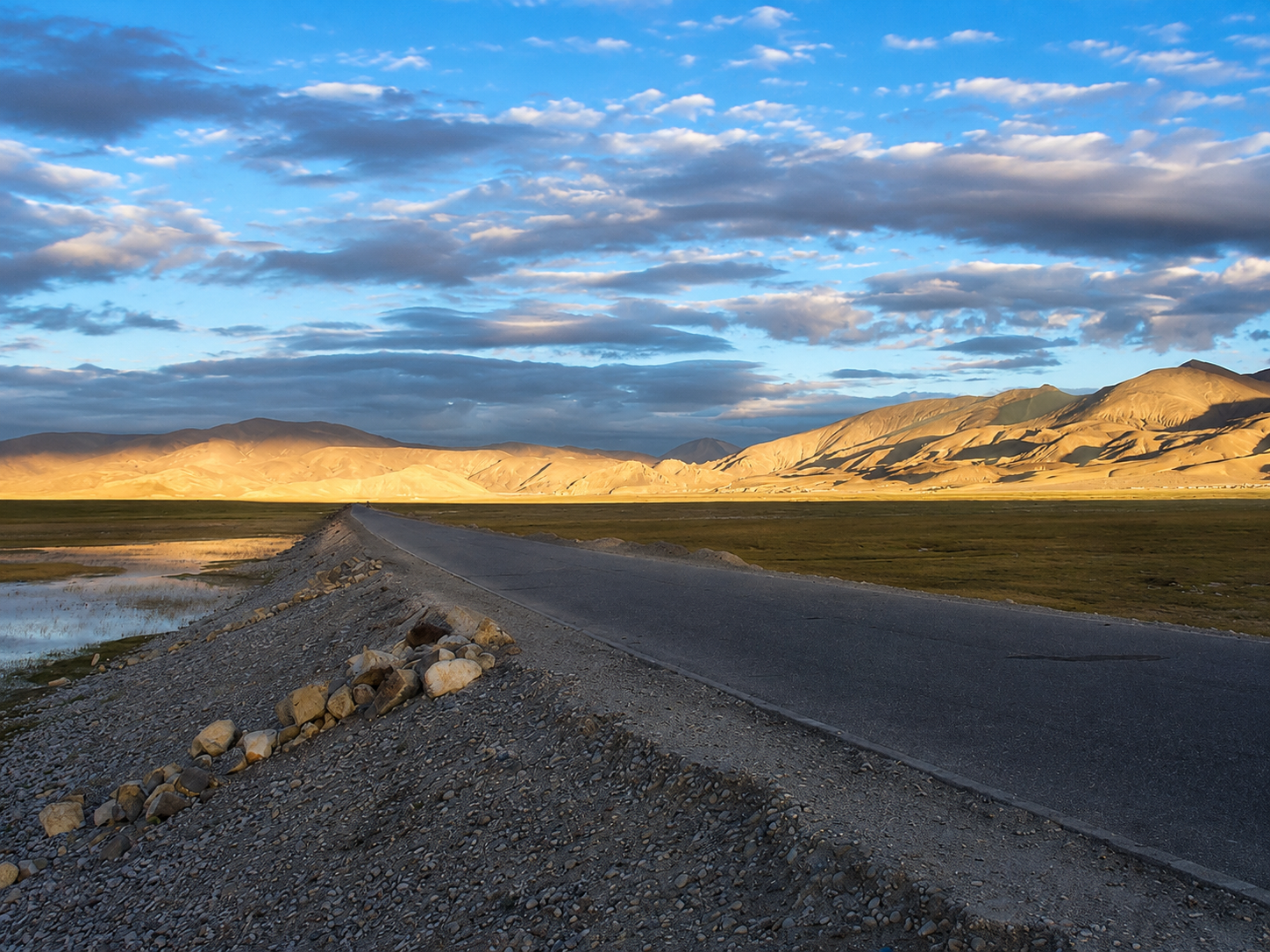
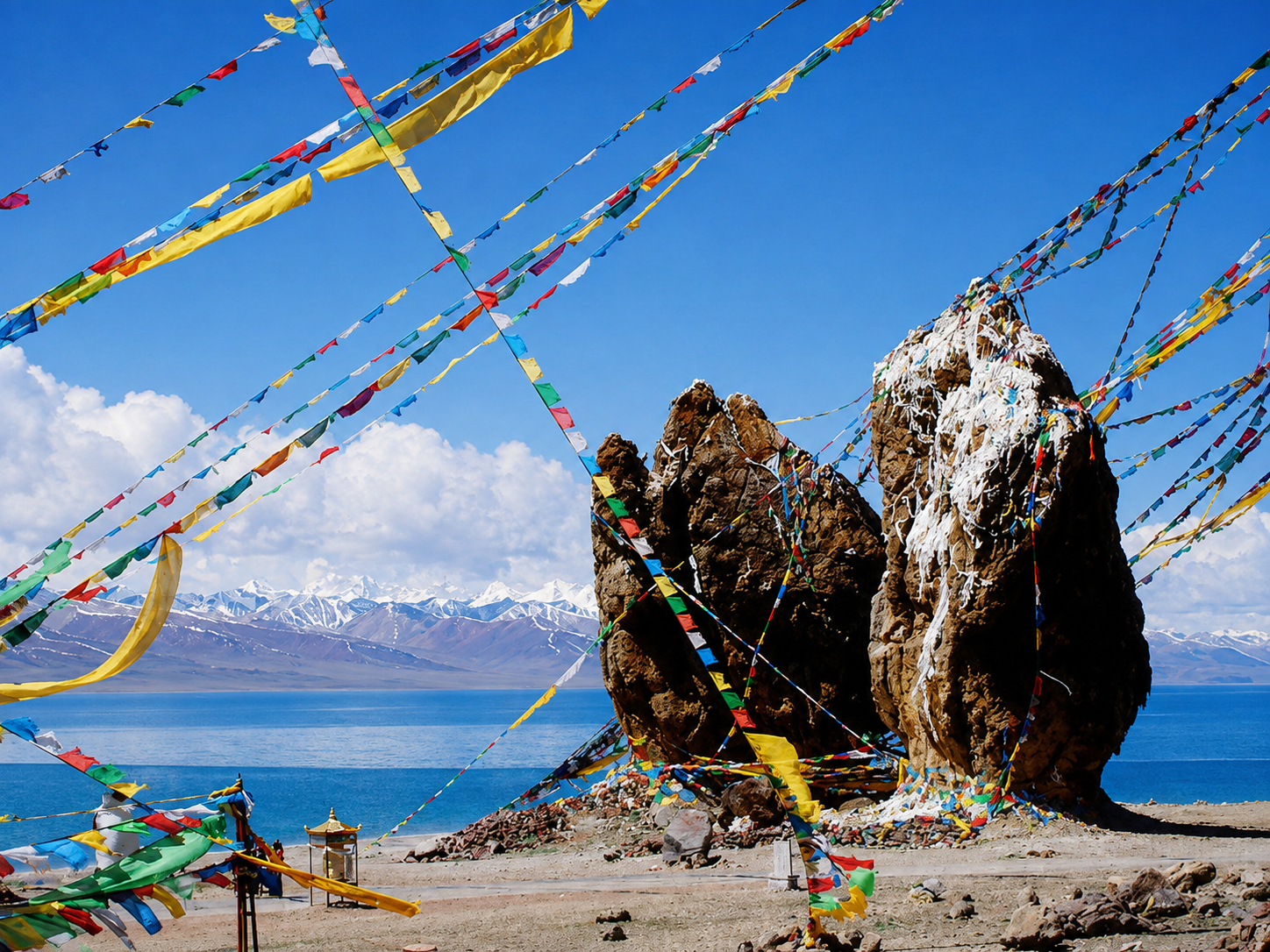
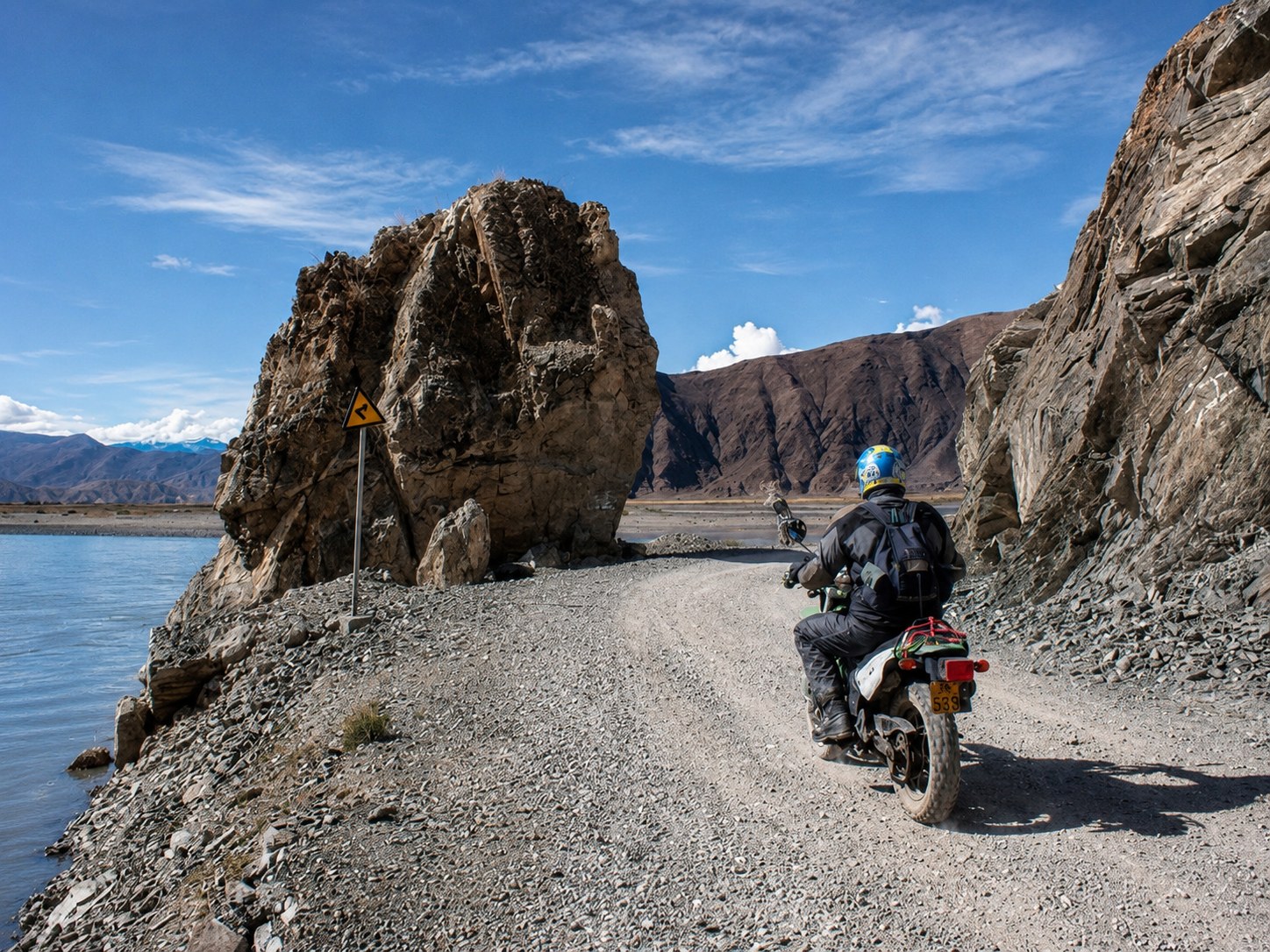
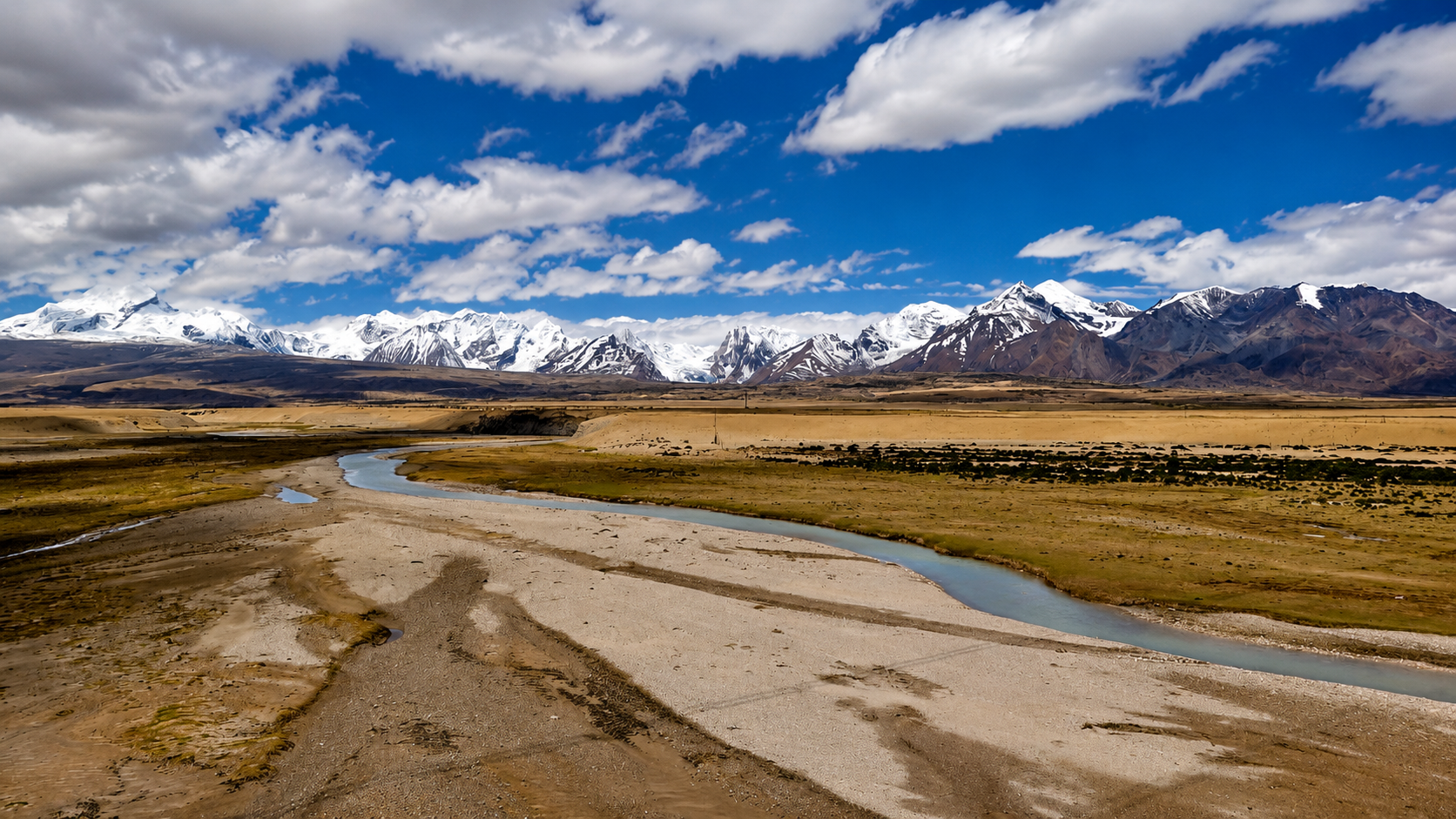
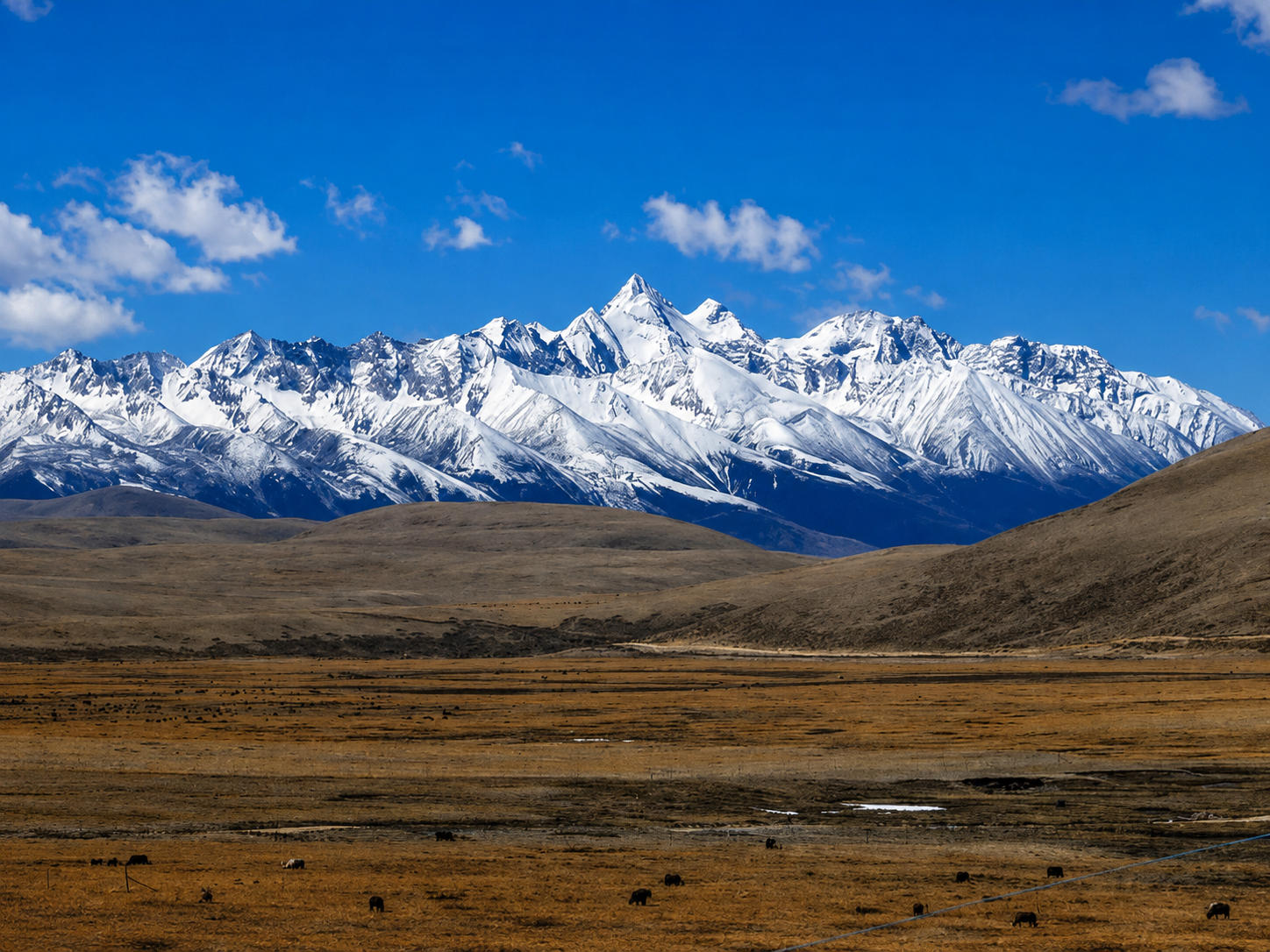
Get ready for an unforgettable motorcycle journey through the heart of Tibet – where ancient spirituality meets breathtaking natural beauty. This carefully curated route takes you from the colorful buzz of Chengdu straight into the spiritual highlands of the Himalayas.
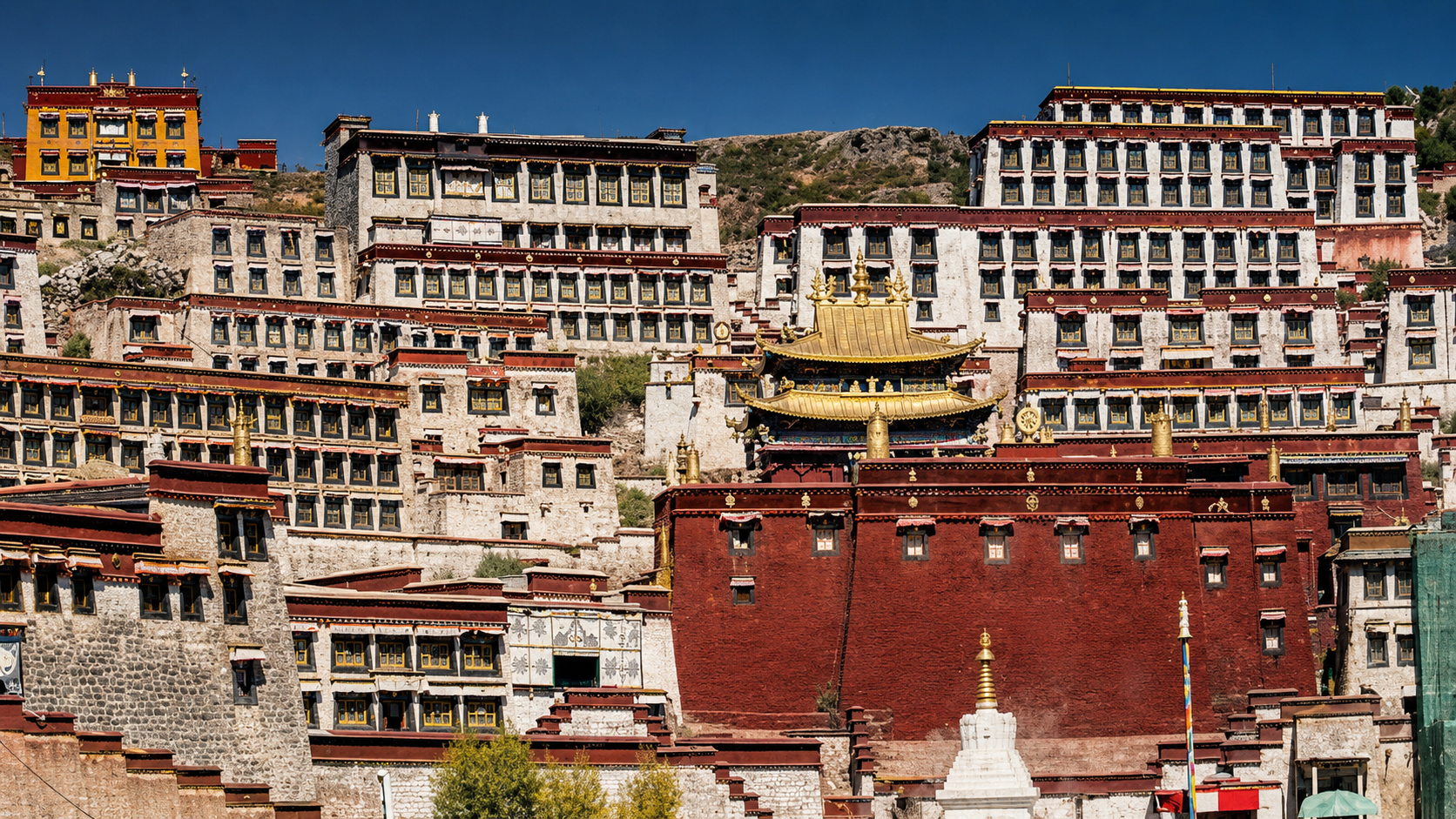
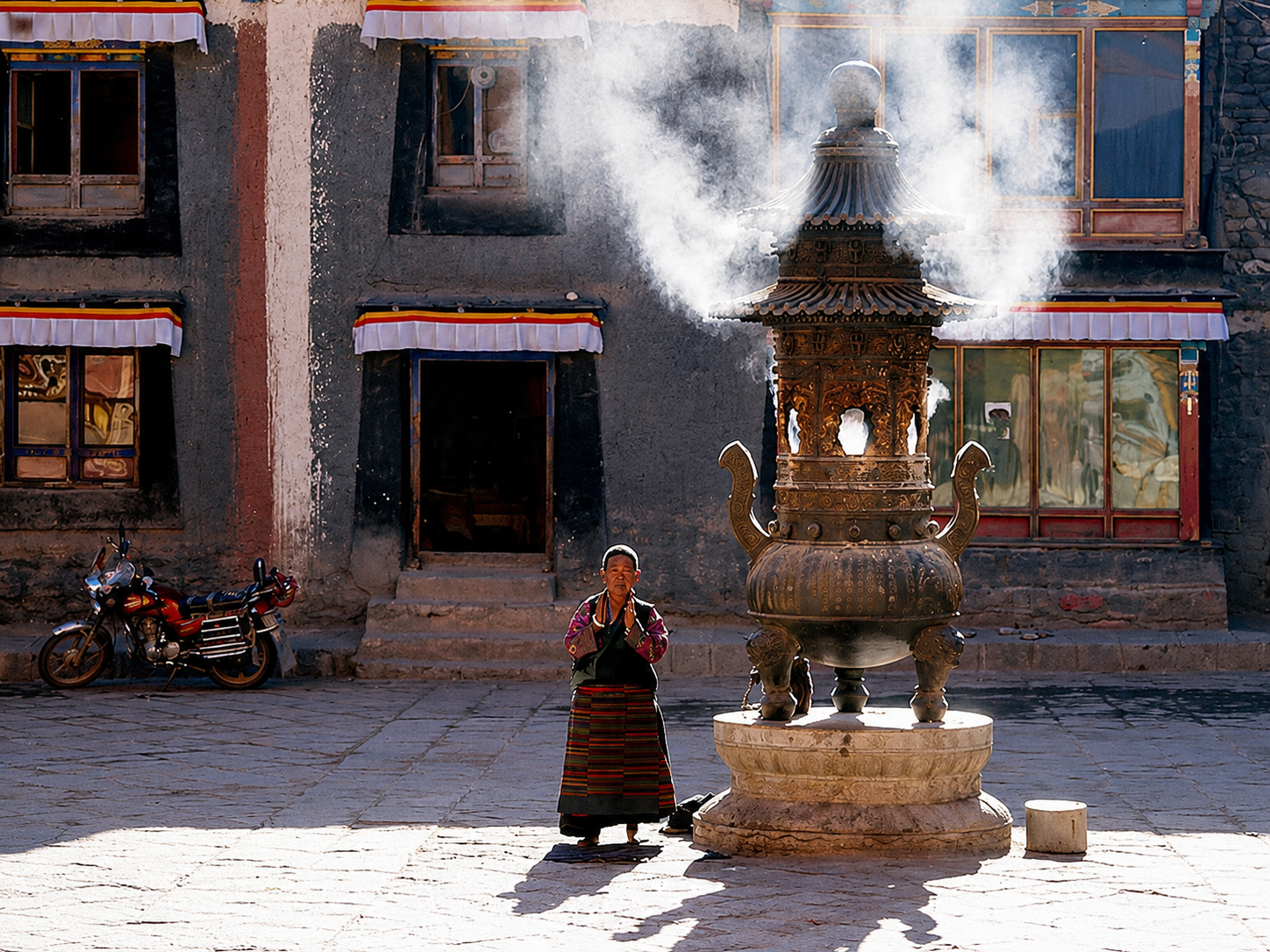
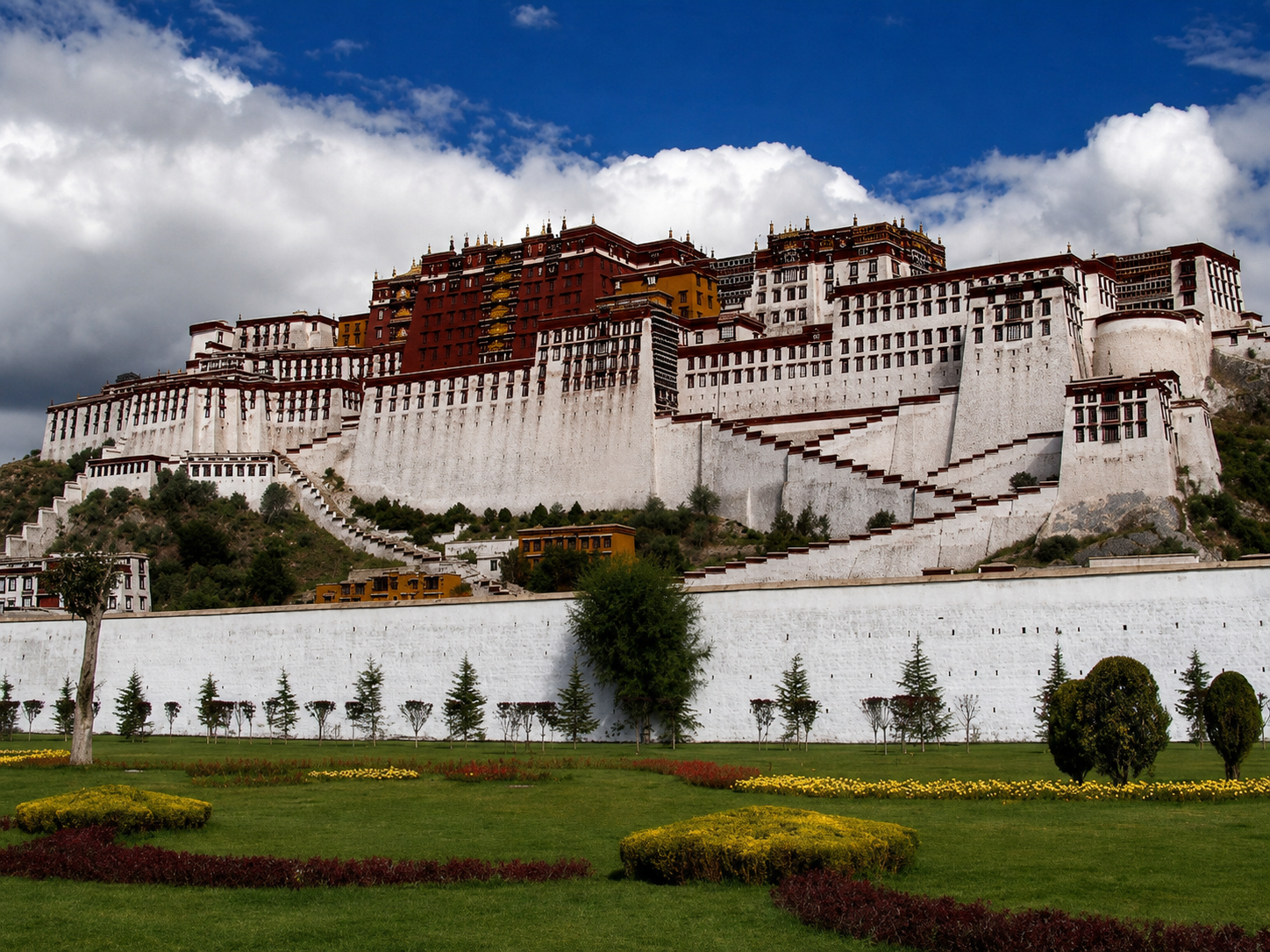
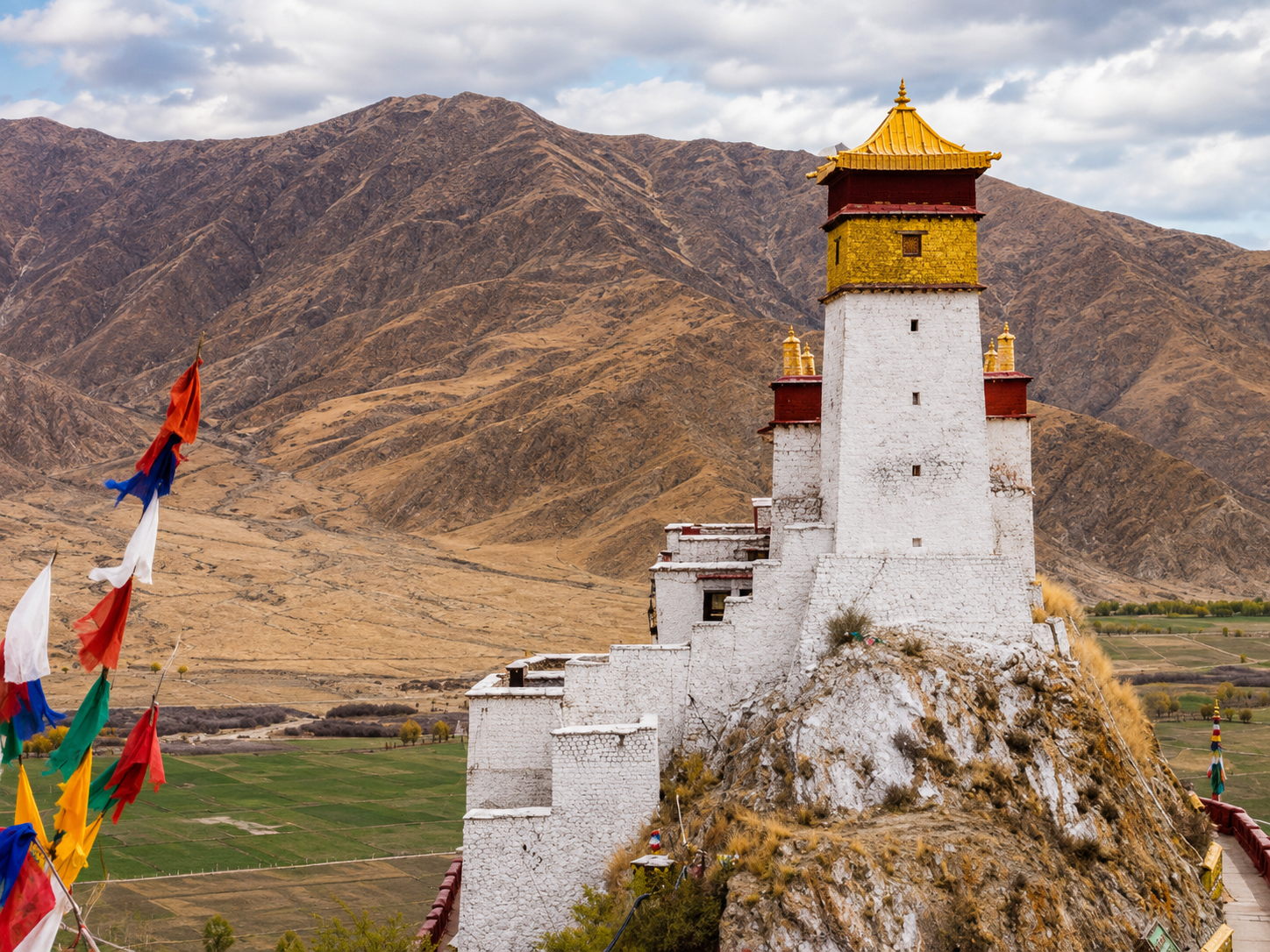
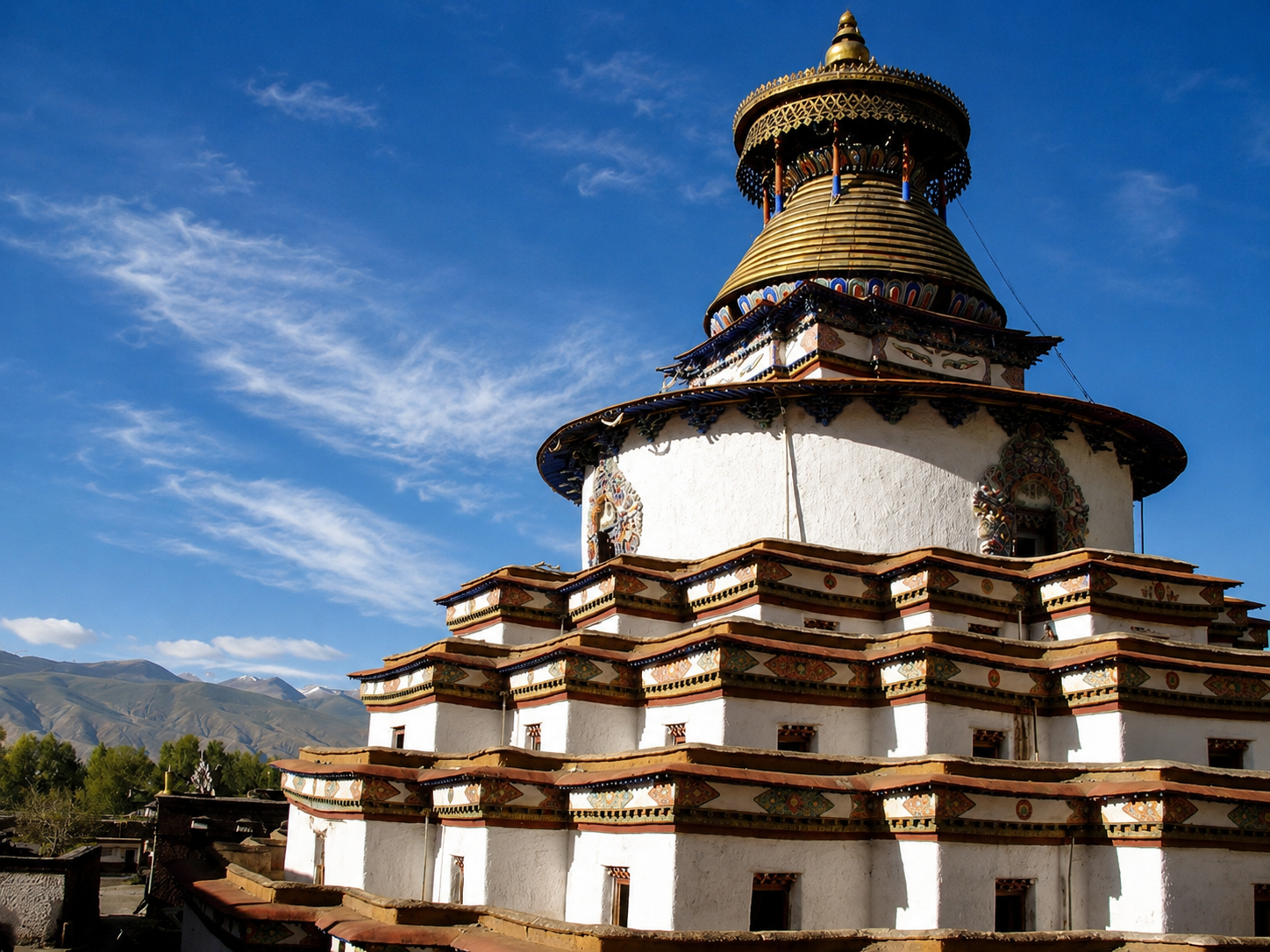
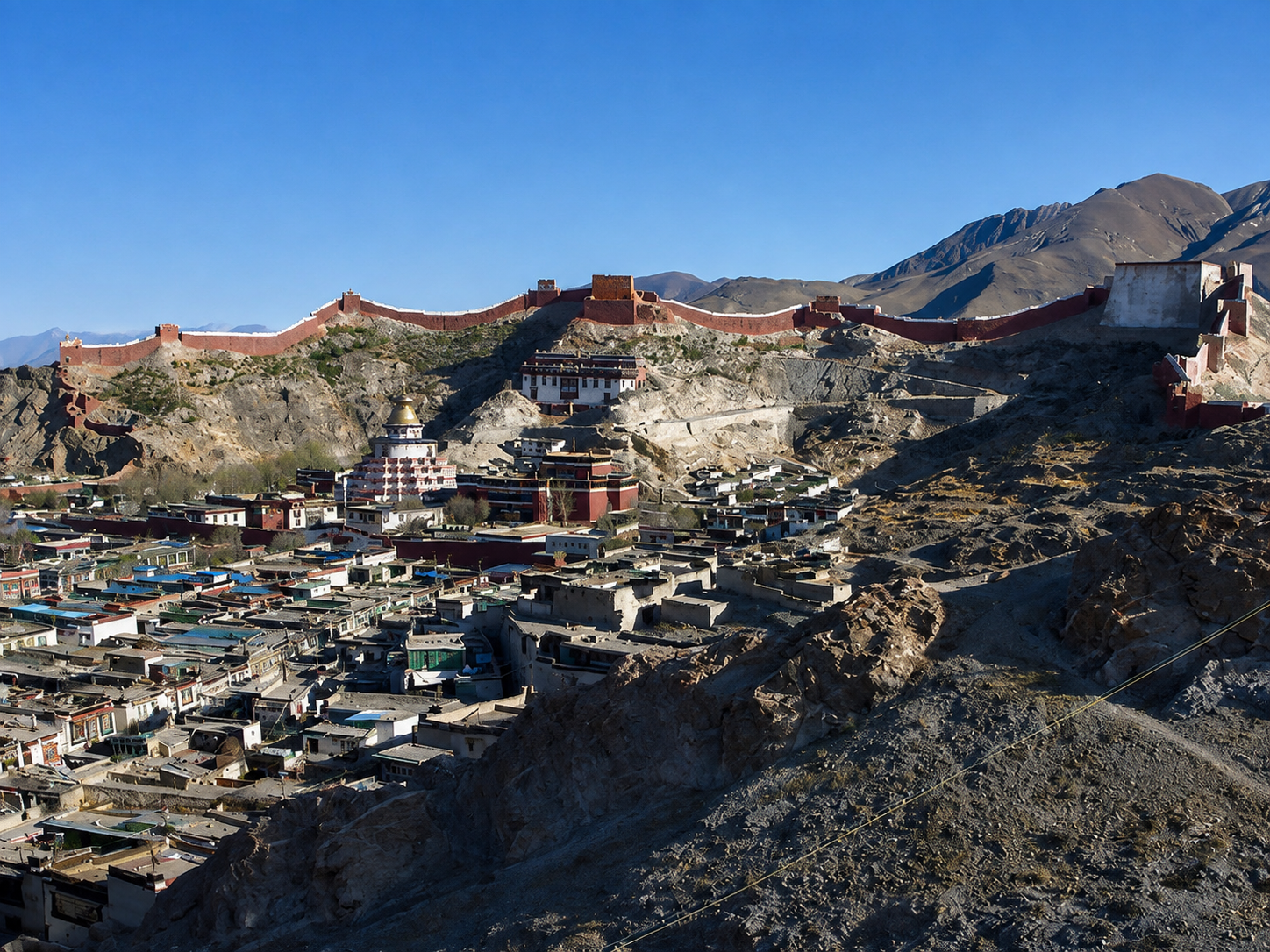
Along the way, you'll encounter unique cultural highlights: the sacred Jokhang Temple in Lhasa’s old town, the imposing Potala Palace, once the residence of the Dalai Lama, the historic Ganden Monastery, and Tashilhunpo Monastery in Shigatse. Each day is designed to immerse you deeper into Tibetan culture, religion, and daily life – with enough time to acclimatize and truly take it all in.
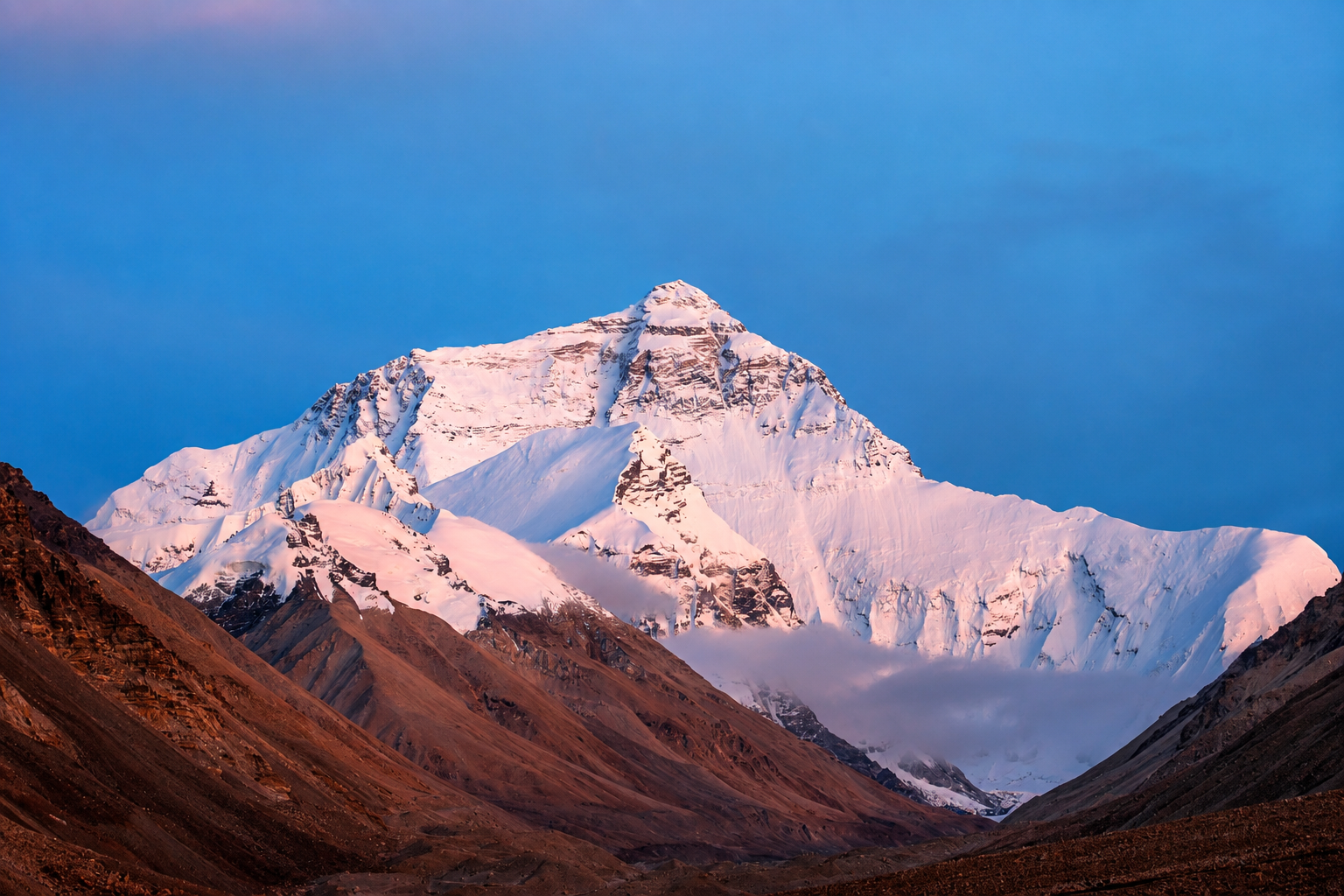
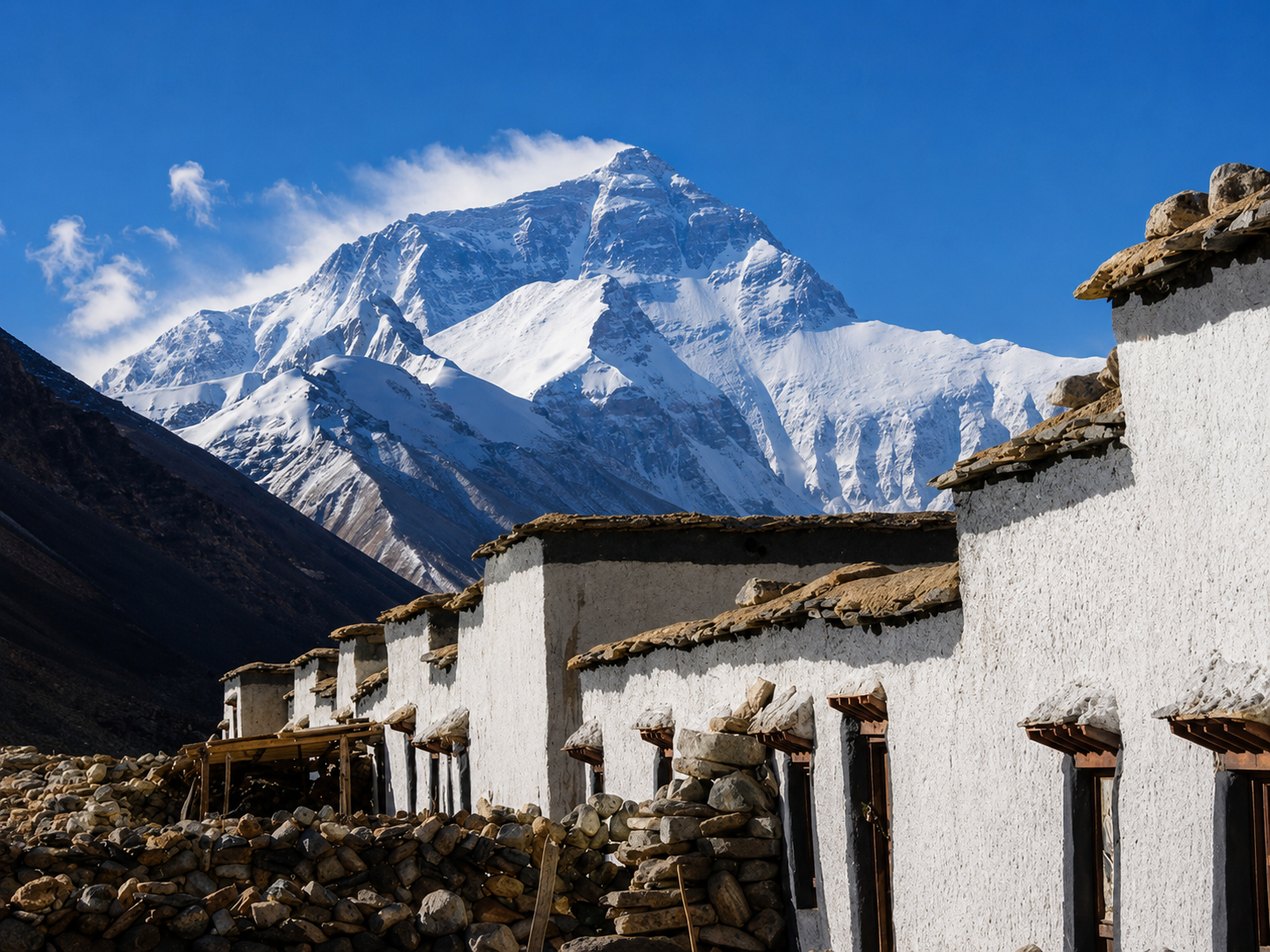
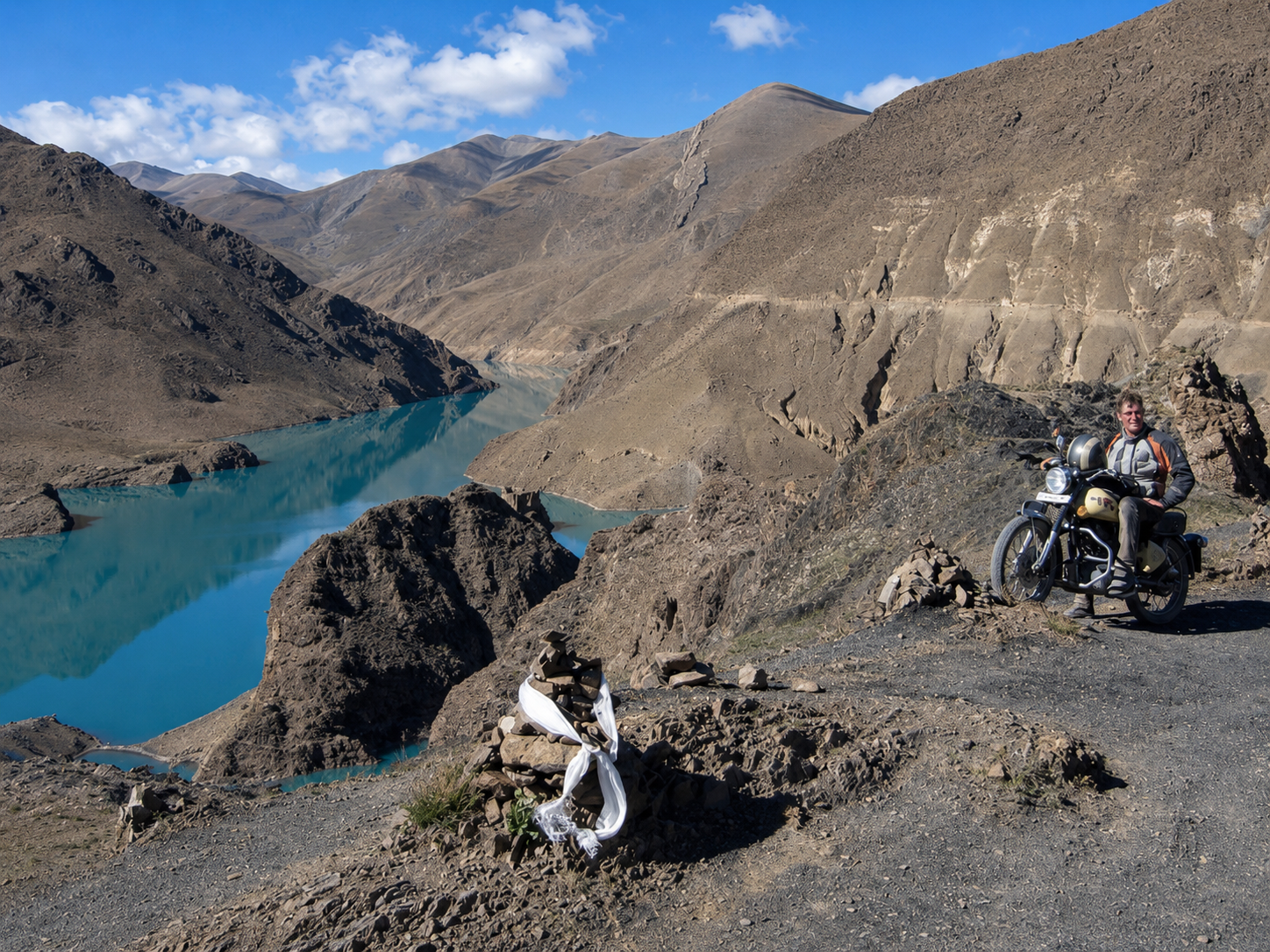
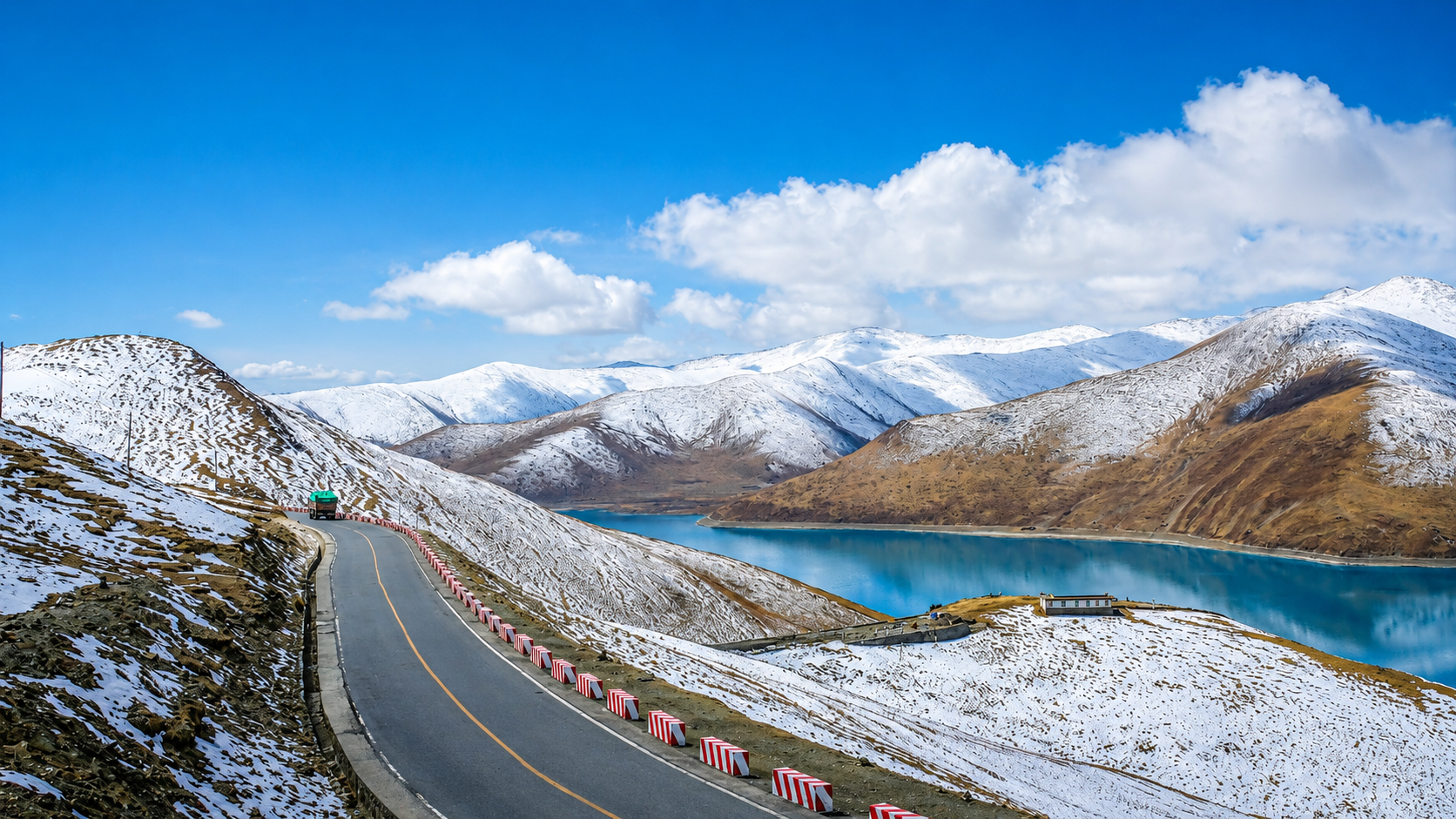
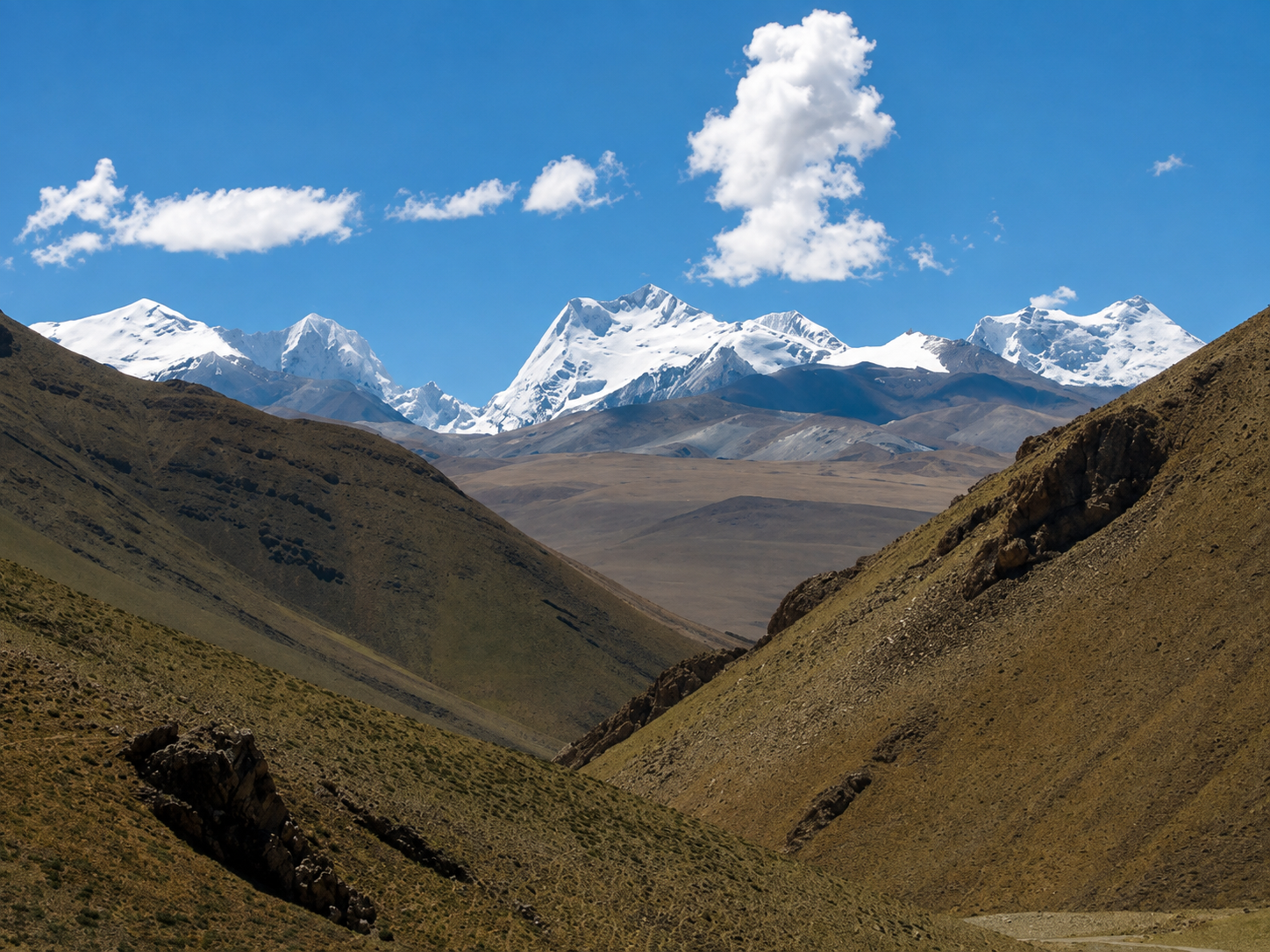
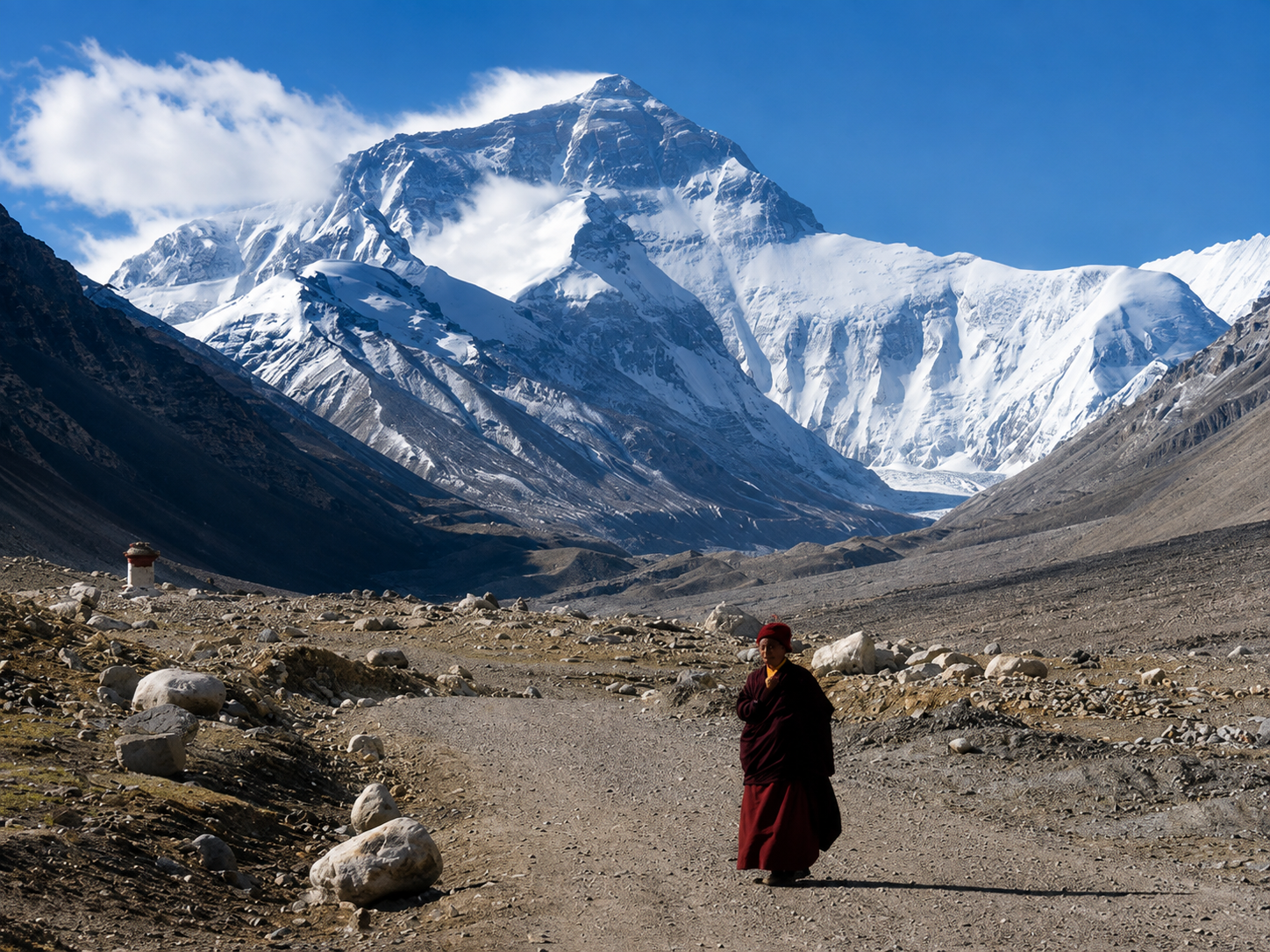
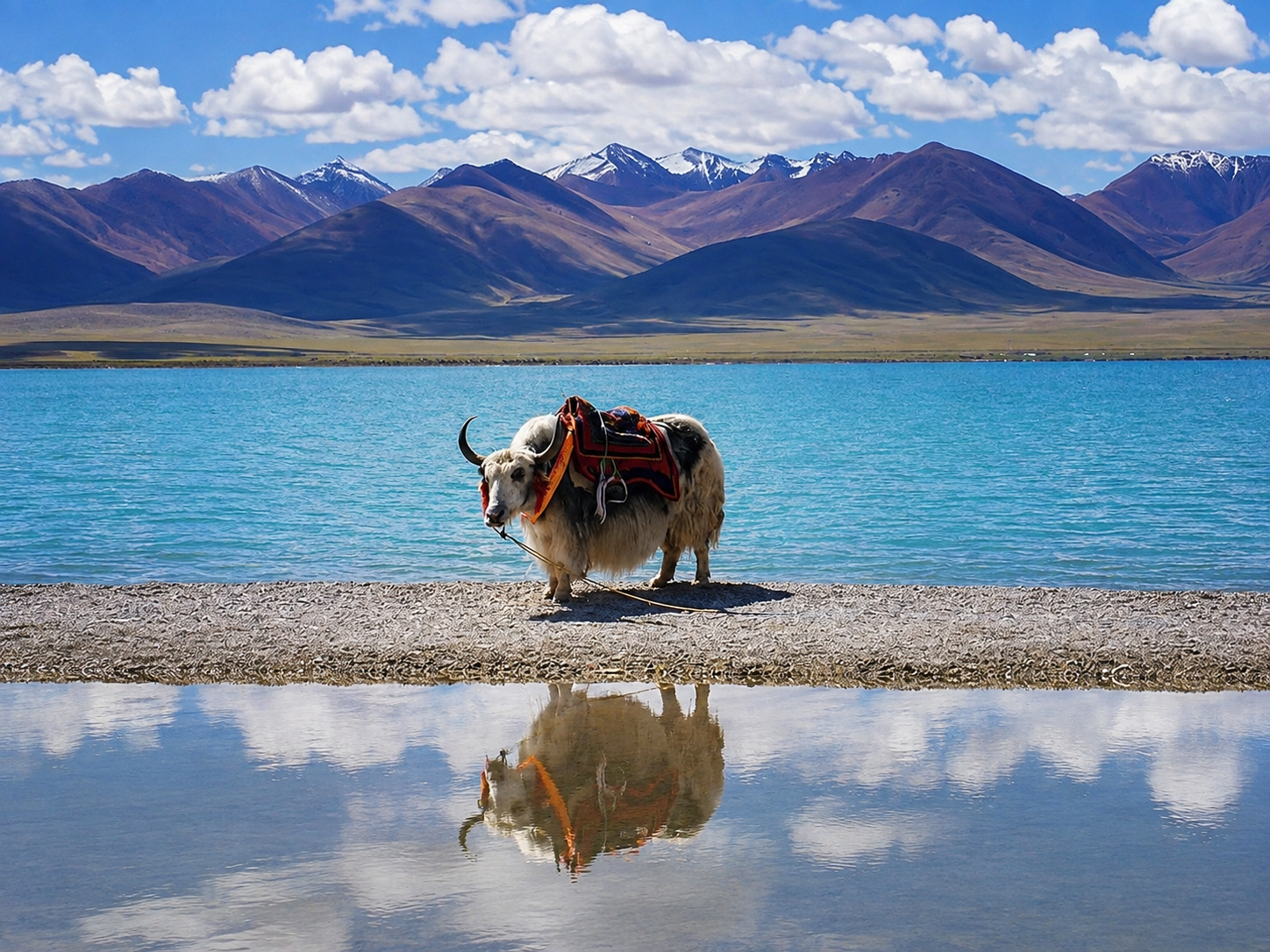
Whether you're riding along the turquoise shores of Yamdrok Lake, visiting the Yumbulakhang Palace, or navigating the Karo-La Glacier Pass, this tour brings the magic of Tibet to life on two wheels. The grand finale: a spectacular visit to Mount Everest Base Camp. With clear skies, you'll be rewarded with panoramic views of the world's highest peak – a moment you’ll never forget. (Note: the final stretch to Base Camp is done via eco-shuttle for environmental reasons.)
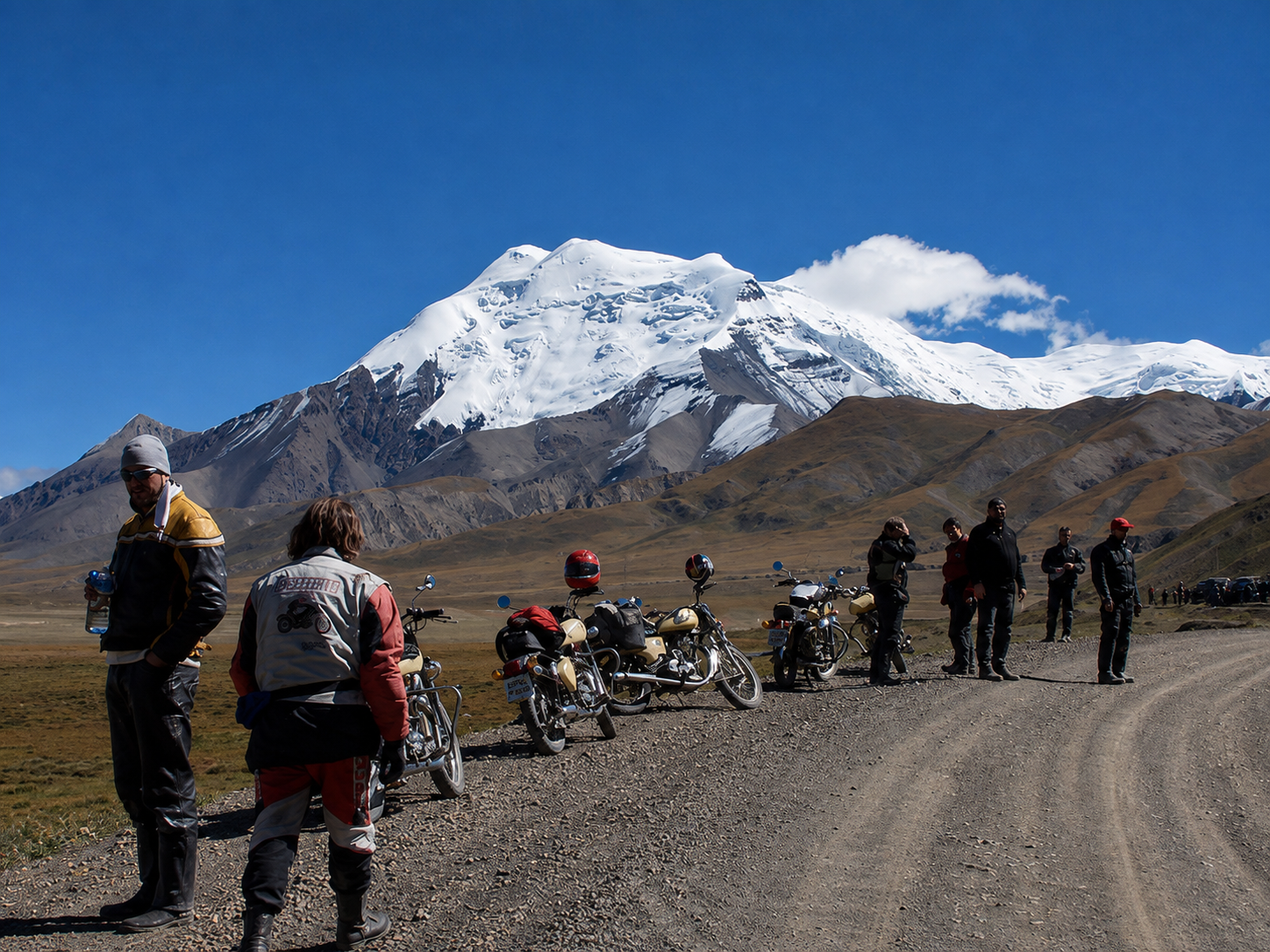
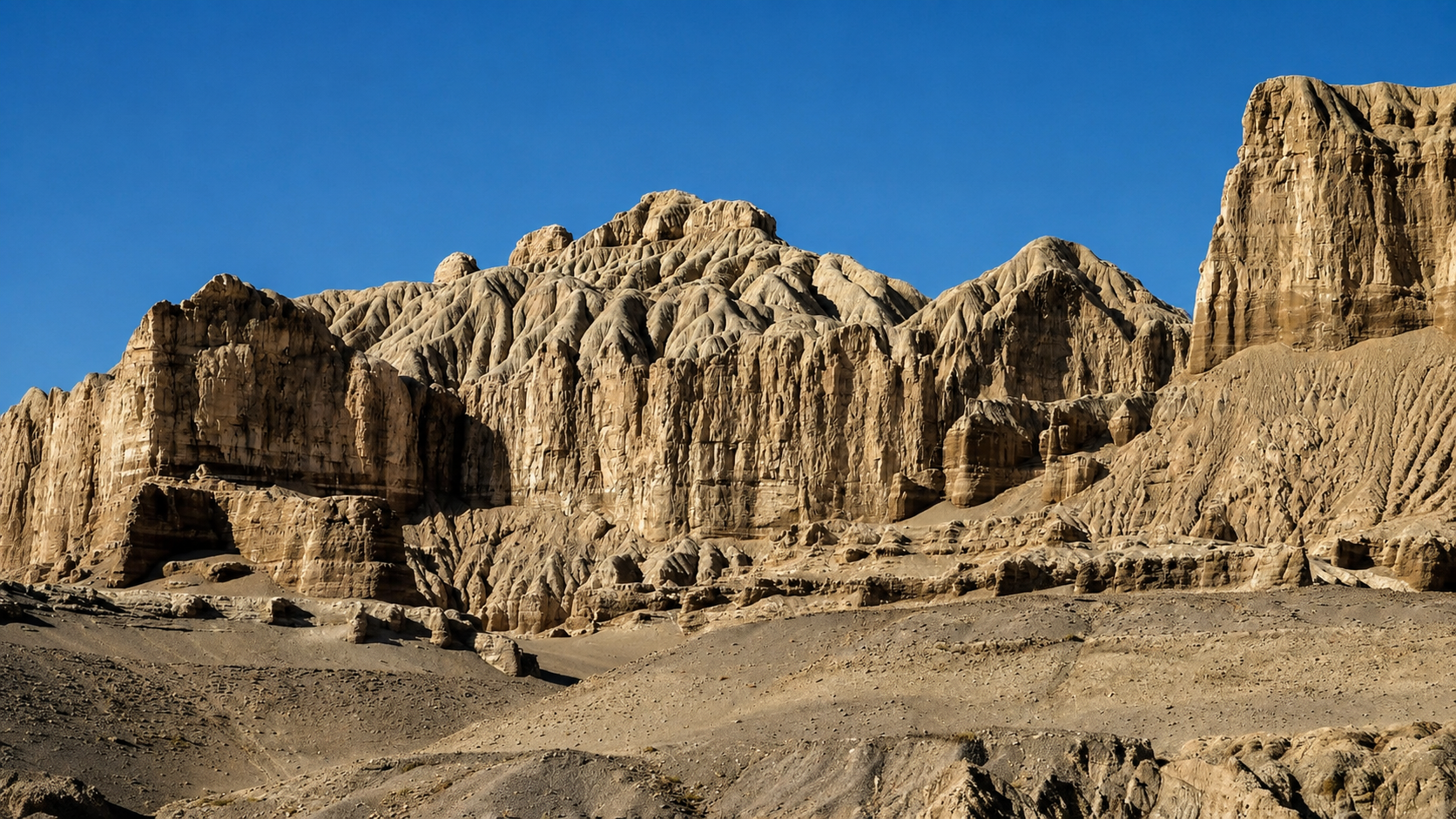
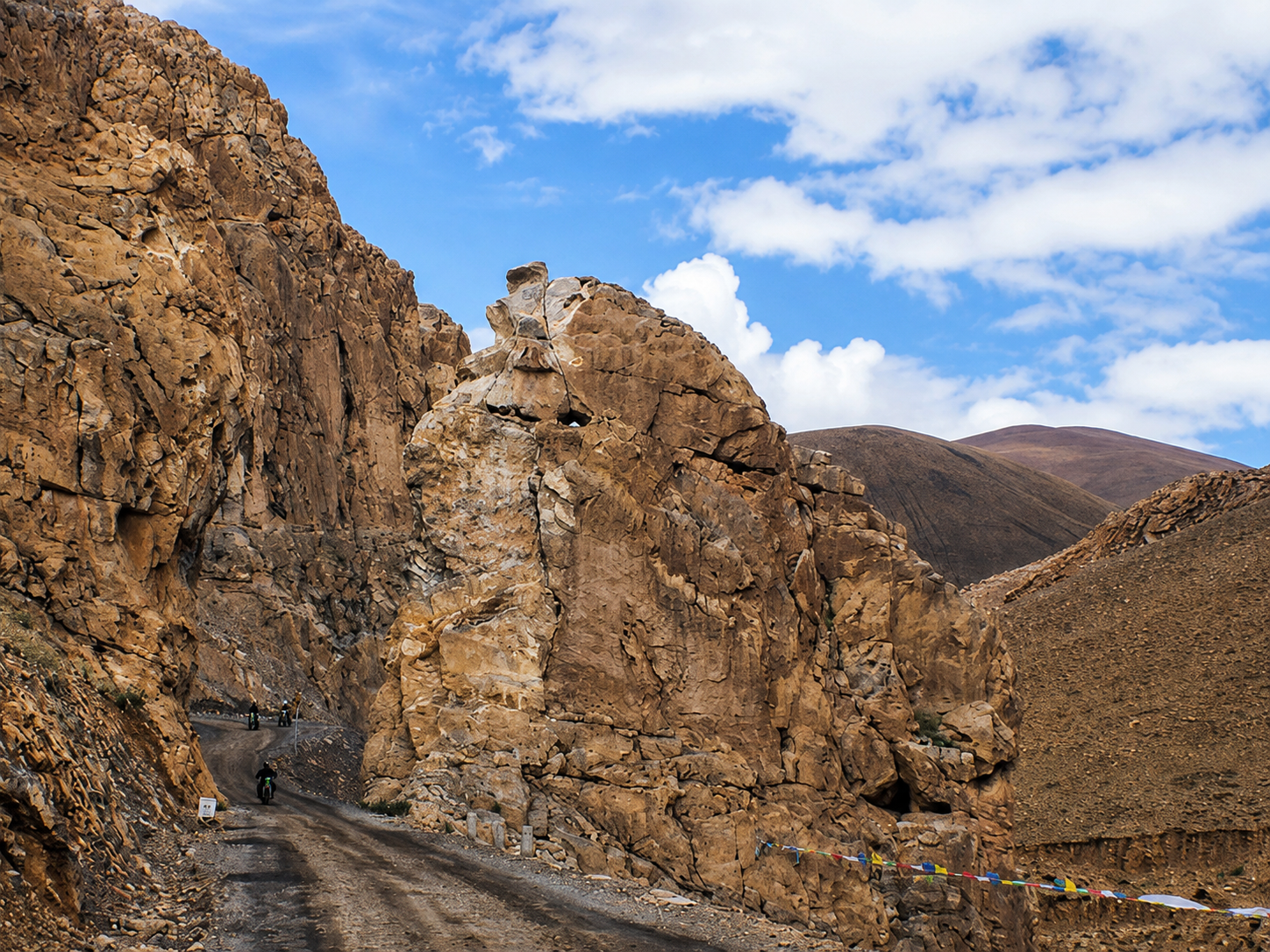
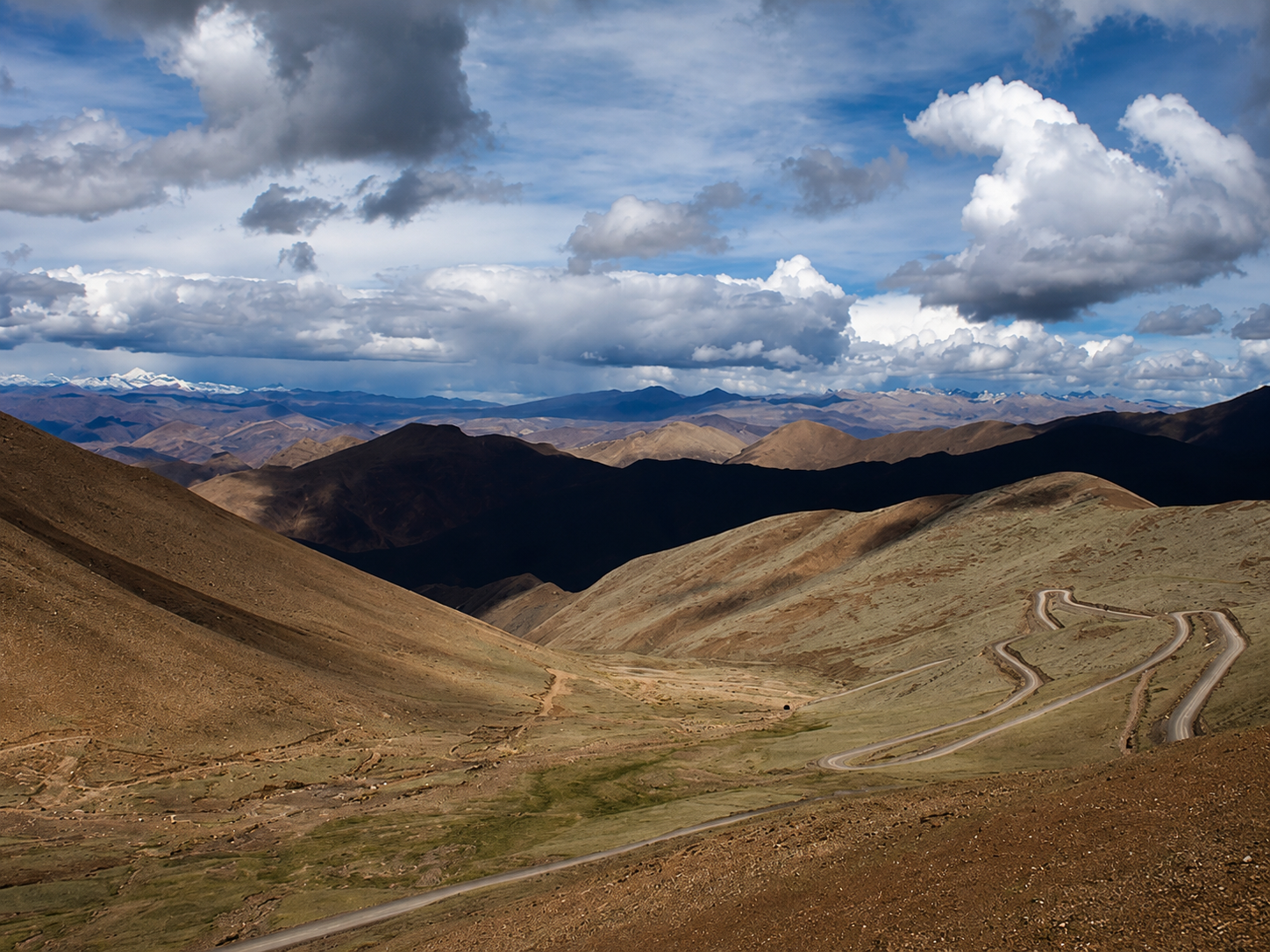
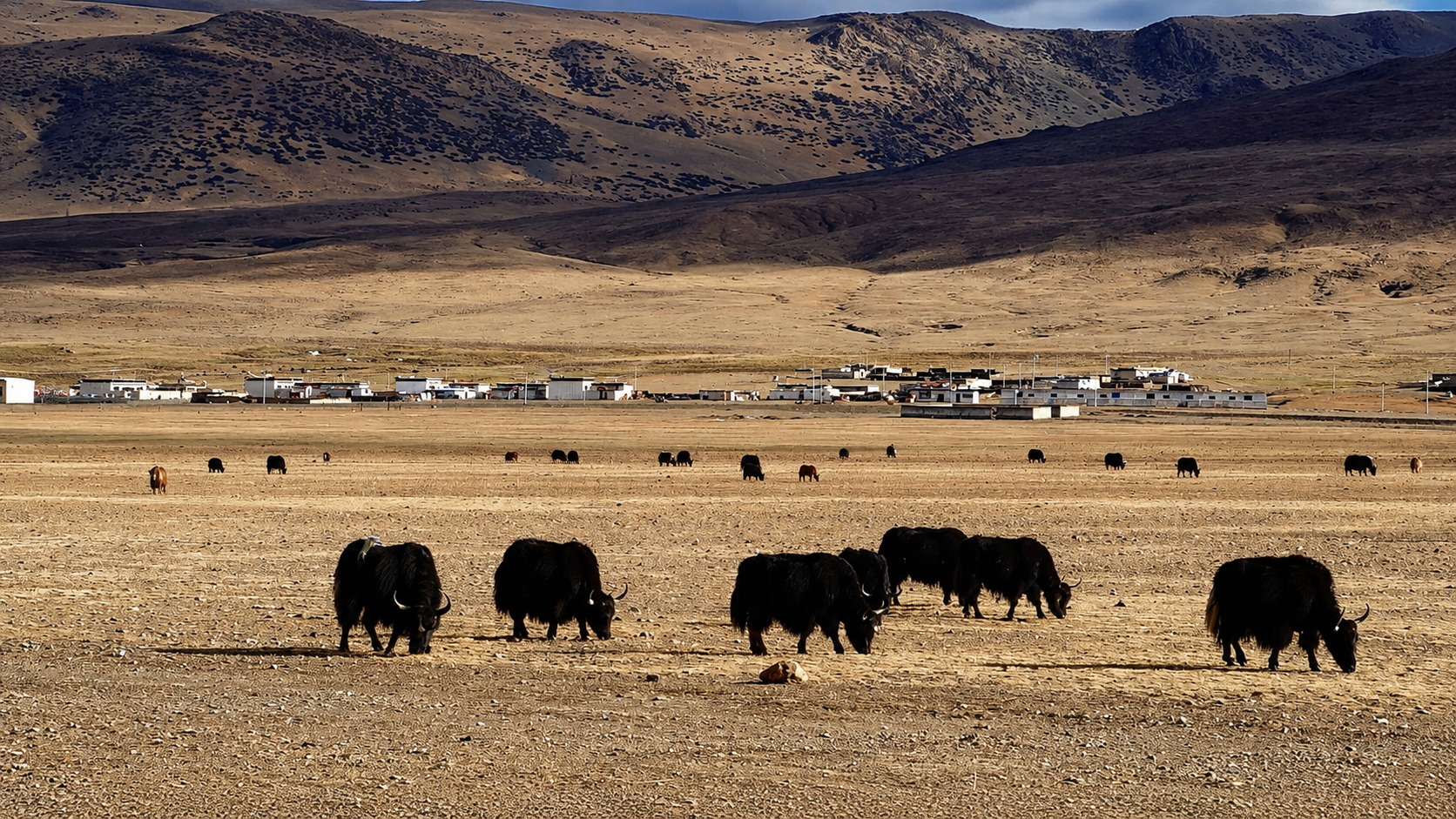
You'll ride remote high-altitude roads, explore vibrant local markets, and cruise at elevations of over 4,500 m (14,700 ft) – reaching passes above 5,400 m (17,700 ft). This tour is adventurous, spiritual, and visually stunning. Get ready for a journey that will challenge, inspire, and leave you with memories that last a lifetime.
TIBET / Lhasa – Mt. Everest / September 2026
Yes An international driving license in combination with the national driving license is mandatory. It is not always checked, but in case of failure, it must be presented.
No, but still be sure to have it with you! The international driving license is required in Tibet/China to obtain the official temporary visitor license. This will be exhibited on site in Lhasa together with the guide and the group. Part of the formalities is even a small multiple-choice driving test on the computer, which all participants have successfully passed so far. The temporary ticket is valid for the duration of the tour (approx. 1 month) and is also suitable as a small souvenir. Please note: It can only be issued up to the age of 70. For older participants, we have an alternative solution ready. Don't forget to bring two recent passport photos!
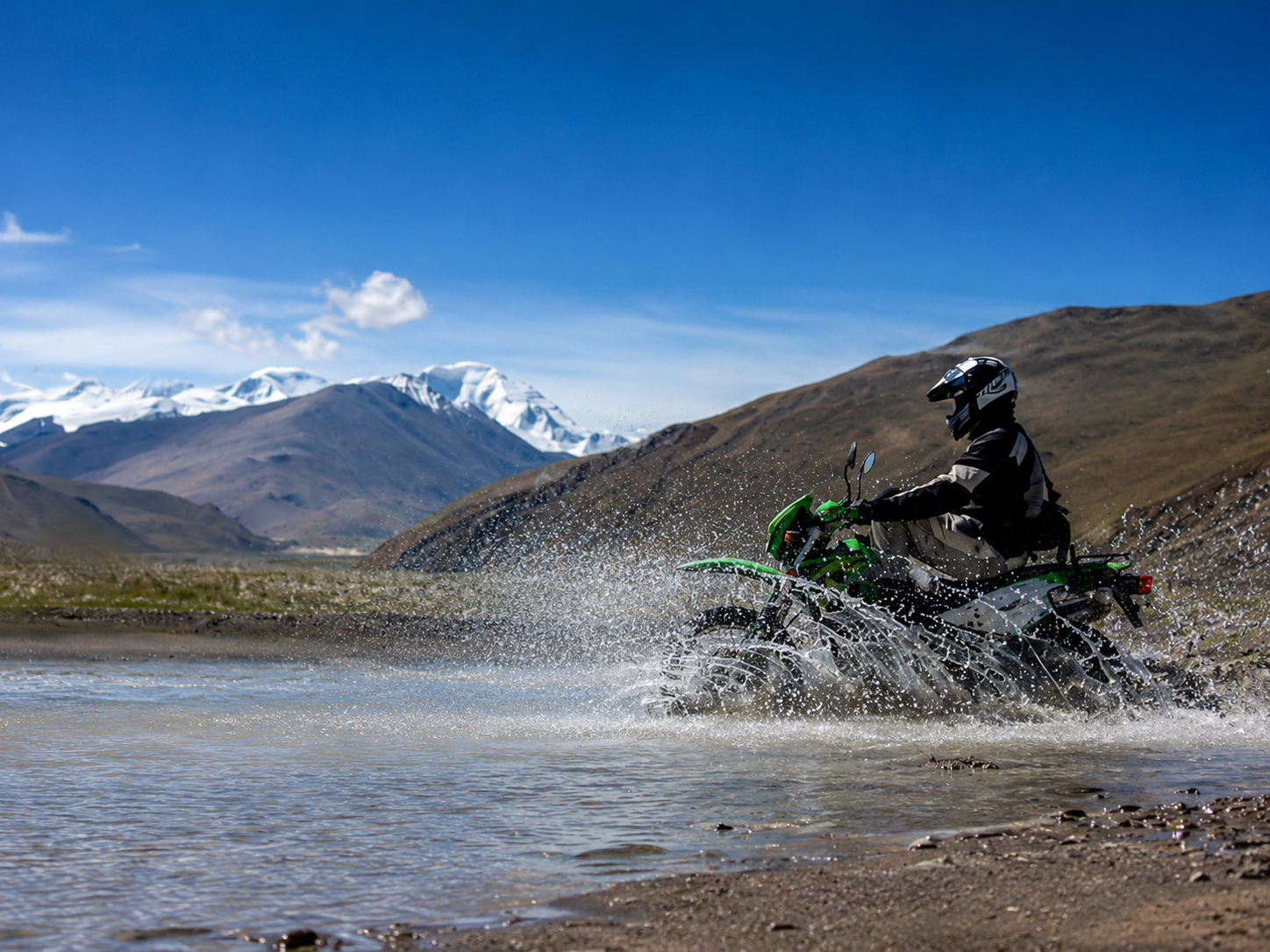
CF Moto 450 & Yamaha Fazer 250
Cash is the most important and reliable means of payment in Tibet and is accepted everywhere. It is highly recommended that you bring enough cash for the trip. Mobile payments such as WeChat Pay and Alipay are widely used in China and Tibet, but usually require a Chinese bank account. Credit and debit cards are only accepted to a very limited extent. In practice, they usually only work in larger hotels and a few upscale establishments, especially in Lhasa. In smaller towns, restaurants, shops, at markets, at gas stations or in simple accommodation, card payments are generally not available. ATMs and banks in Tibet often do not support international cards, so cash withdrawals are usually not possible or only very limited. It is therefore urgently recommended to change enough cash already in Lhasa, as further exchange options along the way are very limited. The tour guide is happy to help with currency exchange in Lhasa. Recommended mix of payment methods: - Cash (USD or EUR, as clean and uncomplicated notes as possible) - A credit card (suitable for Visa or Mastercard, American Express and Diners less suitable) - ATM card, activate the use outside of Europe in advance (“Geo-Control”) If cash is still missing on the way, the guide can pre-empt national currency Make available, which will be settled later in EUR or USD.
Yes, prepaid SIM cards generally work well for travelers in China and Tibet. The most important providers are China Mobile, China Unicom and China Telecom. The tour guide will be happy to help you obtain and set up a local SIM card. In cities such as Lhasa, network coverage for telephony and mobile Internet is usually good, as is the case along the main roads. However, in very remote regions or on high roads, there may be temporarily no or limited reception. WiFi is available in almost all accommodation, but Internet access is limited to content approved by the authorities. Both WLAN and x mobile data are restricted by many Western online services, and VPN connections can be unstable or unreliable.
With its culture, impressive landscape, clear air, the highest mountains in the world and its blaze of colors, Tibet offers numerous photo opportunities that are often kept as a reminder. However, there are a few rules and restrictions: Photographing military and military facilities is prohibited. In temples and temples, photography may be subject to a fee or restricted. Photos are often only partially allowed in interior areas of small stars, and flash lighting is generally prohibited. Photography and filming are not allowed indoors at the Potala Palace in Lhasa, as sensitive religious artifacts and works of art are stored there. Photographs of girls engaged in religious acts should only be taken with express consent. It is also advisable to ask people and markets beforehand or to ask for permission with gestures. Showing the photo afterwards often creates an opportunity for friendly smiles and contact with the local population. In Lhasa, for example, some market towns, in particular meat sellers, refuse to consent to photos. Photographers in Lhasa are the lively price negotiations for the sale of the Chinese caterpillar mushroom (a parasite on caterpillars of a specific butterfly species), which is popular as a remedy.
Smoking is prohibited in many public places and in restaurants, even though smoke can sometimes still occur in non-smoking areas. Smoking is strictly prohibited in holy towns. It is therefore advisable to refrain from smoking in public as much as possible and to follow local instructions.
Common messenger services such as WhatsApp, Telegram or Signal generally do not work in China. They can sometimes be used with a VPN, but the connection can be unstable, particularly in remote regions such as Lhasa. In addition, the use of private VPNs is officially restricted in China, so the connection is not always reliable. The most reliable way to send messages and calls is WeChat, the most widely used messenger in China. Many purchases and payment transactions are also processed on WeChat. For communication to work, contacts in Europe must also have WeChat installed. WeChat is available in the Google Play Store and App Store.
It is advisable to carry a combination of cash (USD or EUR), a credit card (Visa and Mastercard are available; American Express and Diners are accepted much less frequently) and an ATM card. The ATM card should be activated at the bank for the travel time for foreign European countries (keyword Geo Control). Card payments are not accepted in many places. When carrying cash, be careful to only bring undamaged notes, as even slightly damaged notes are often not accepted. Small notes are recommended. In larger towns, ATMs are usually available, but the density is significantly lower than in Europe. Currency exchange is possible at airports, hotels and official exchange offices. Note: There have been isolated cases that ATMs have been manipulated and card data was then misused. We therefore recommend that you only use ATMs in secure, well-frequented locations (e.g. in banks or larger hotels).
Visa requirements may change at any time. Therefore, always check the latest information on official government websites. The following information is for guidance only. Citizens from Austria, Germany and Switzerland require a passport valid for at least six months beyond the planned departure date. China and Tibet are currently visa-free entry for stays of up to 30 days, valid until December 31, 2026. Whether this regulation will be extended is currently still open (as of January 2026). All international Travelers to Tibet are also required to obtain a special Tibet Travel Permit. This permit is not issued individually, but only as part of an organized tour and is organized by Asiabiketours after booking. In China and Tibet, an ID is required. A valid passport (possibly with a Chinese visa) and Tibet permit must be carried along the entire trip. These documents are regularly checked, in particular when entering Tibet, during police checks and at checkpoints. Driving license and motorcycling: In addition to the national driving license, an international driving license is required (in accordance with the 1968 or 1949 agreement). This alone is not sufficient, but is required to apply for a temporary Chinese driving license. This application also requires passport photos in the format 21° 26 mm. The Chinese driving license for China/Tibet is applied for together in Lhasa at the start of the trip. It is issued to people up to the age of 70. A practical driving test is not planned; instead, a multiple-choice test will be carried out on the computer, which has been successfully completed by all participants so far. Asiabiketours organizes and supports the entire process. For participants over 70 years of age, there are special regulations, which are clarified in advance in individual cases. The documents mentioned are checked several times during the trip and must be available at any time.
Tourists must officially register their drone with the Chinese authorities (CAAC) in order to legally fly. The registration process is complicated, usually only available in Chinese and often requires a local telephone number as well as information on the drone model and ID. In addition, there are many no-fly zones, e.g. For example, around Sacred Mount Kailash, cities, airports and military areas. Even registered drones cannot be used everywhere, as local permits may be required. Flying without registration or authorization is illegal and may result in fines or confiscation.
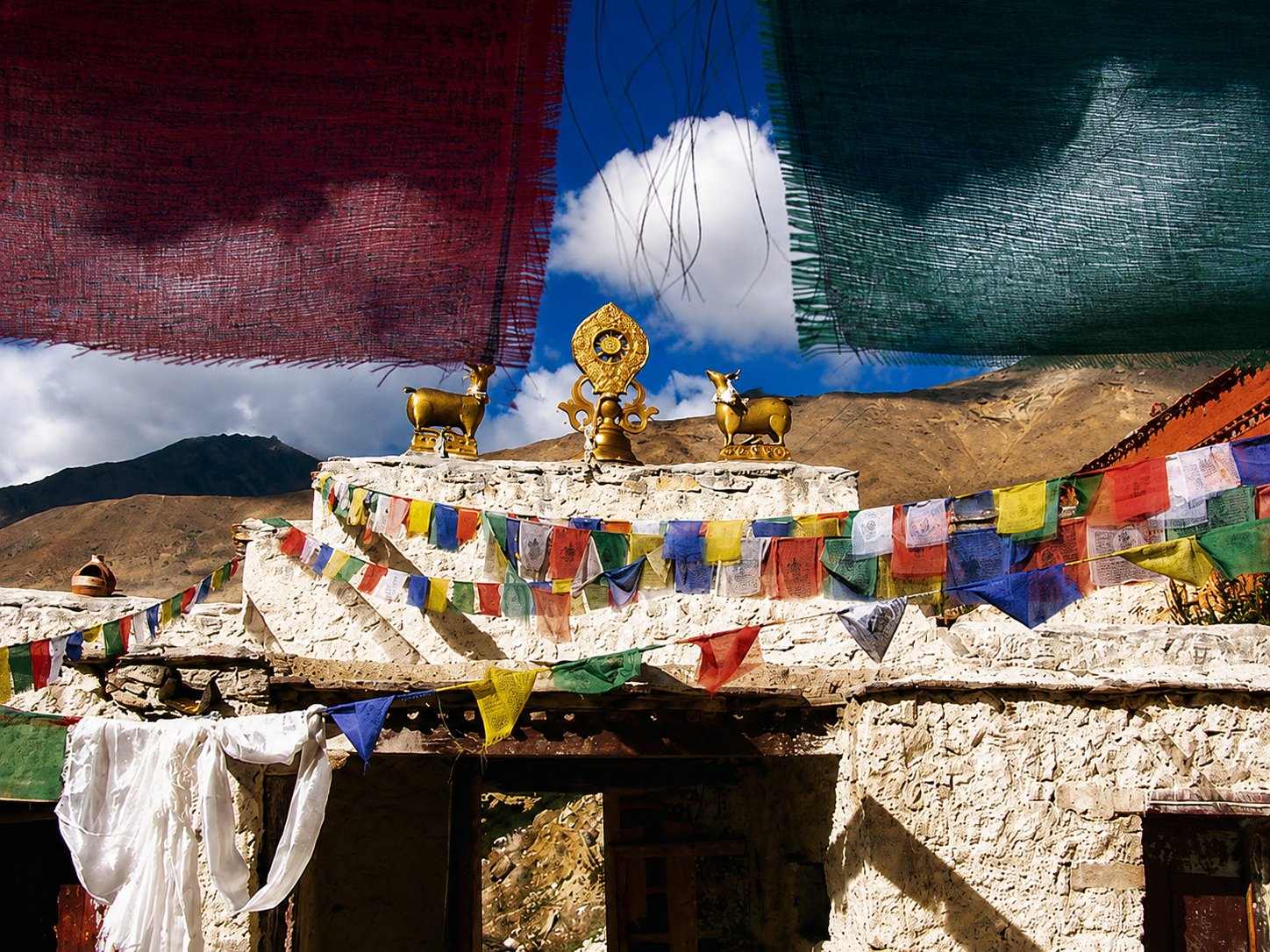
Typical souvenirs from Tibet include handmade textiles such as rugs, scarves or embroideries, jewelry made of silver or tókis, and Tibetan prayer beads (mala). Spiritual objects such as Tingsha singing bowls, thangka or mandala pictures, colorful prayer flags and scents are also popular. Small replicas of small stars or stupas, handmade musical instruments and culinary specialties such as yak milk sweets or tea complete the offer.
In Tibet/China, no other vaccinations are required in addition to the usual standard vaccinations. Rabies vaccination is sometimes recommended as there may be occasional attacks by stray dogs in rural areas. Vaccinations against hepatitis A and B are usually not required. Travelers with a sensitive stomach or an increased risk may consider a typhoid vaccination. In any case, it is advisable to seek advice from a doctor experienced in travel medicine in advance.
On the tour, you will almost always be at a higher altitude. In addition to suitable protective clothing for motorcycle trips, warm clothing should be brought along, such as thermal underwear, sweater, thick socks, warm gloves, scarf, face mask against cold headwinds, sunglasses and sun protection. A reliable climate table in Tibet is difficult to find, as the country is very large and the climate varies greatly. In general, it is dry and extreme, with large temperature differences between day and night and between seasons. Rain falls mainly from May to September, while it is dry and mostly sunny from October to April. The best time to travel is between September and November and from April to the end of June. It can happen that temperatures around freezing point on departure are around 15? C rise. For driving days, the onion peel principle is recommended.
Discussions about politics or human rights should be avoided at all costs. Care should be taken when visiting residents or households, as glimpses of rural cuisine can be unpleasant for some. Respect for cultural and religious practices is particularly important: do not touch people's heads, observe religious customs, follow the prescribed course (counterclockwise) in holy cities, do not put arms around Tibetans' shoulders, do not step on the threshold when entering a room and always accept an offered cup of tea with both hands. or pilgrims who prostrate themselves require special consideration. Drugs of any kind are strictly prohibited, as China is pursuing an uncompromising policy here that is historically characterized by the opium war.
On arrival in Lhasa at around 3,600? At sea height, there may be occasional mild symptoms such as headache, fatigue, nausea or sleep disturbances - but they do not have to occur. In most cases, the body gets to the height within one to two days. A lot of rest and sufficient liquid (no alcohol) help you settle in more quickly. Mild symptoms can be alleviated with painkillers such as ibuprofen or paracetamol. In more severe cases, prescription drugs such as acetazolamide (Diamox) or the steroid dexamethasone are sometimes used. To facilitate acclimatization, it may be useful to arrive in Lhasa a few days earlier.
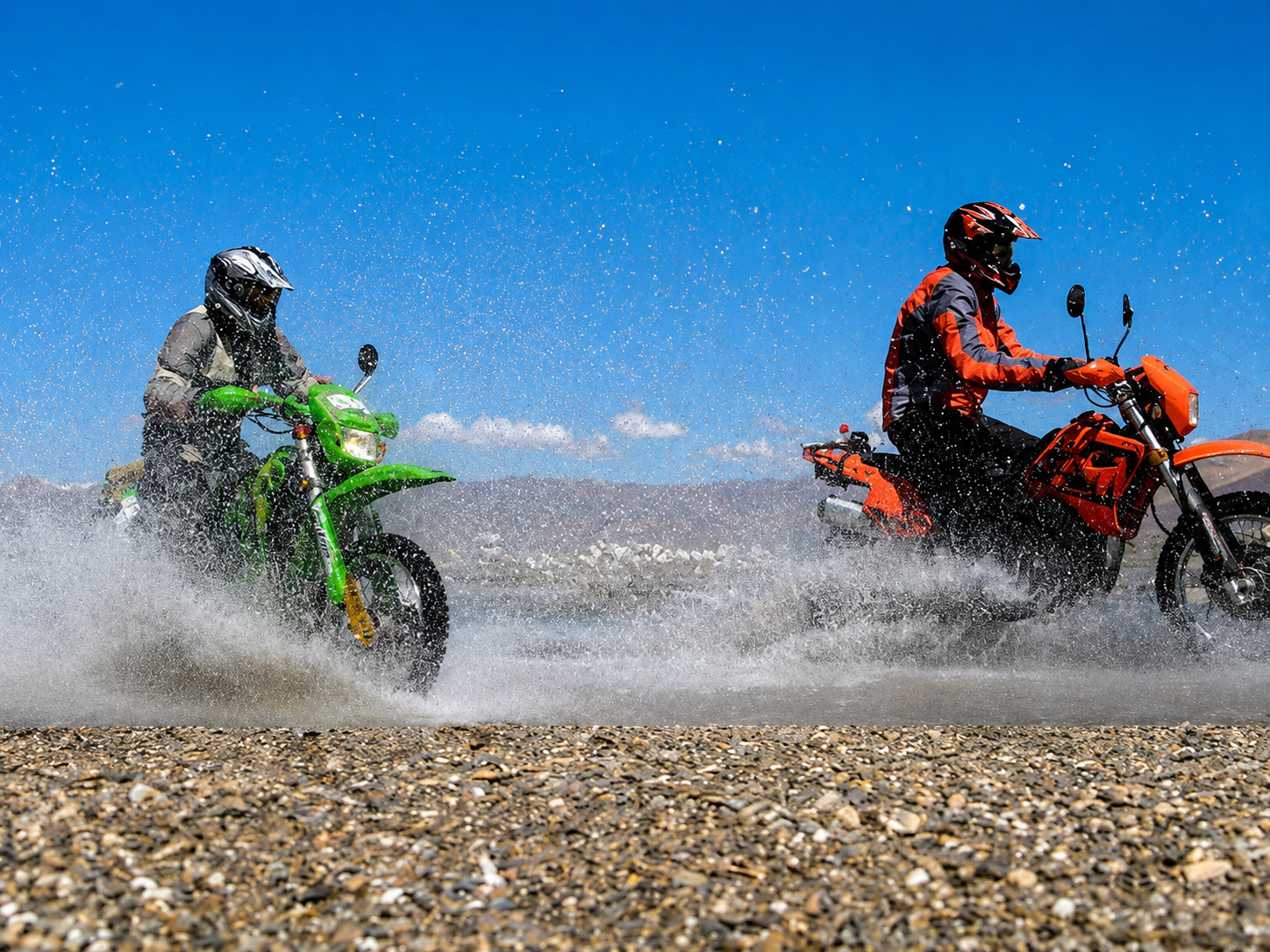
We expect a net daily trip time of around 5 hours. The distance traveled depends on the route, on average do we drive 100-200? km per day. Sometimes it's less than 100? km, rarely significantly more, for example a 500 km stage. The roads are mostly good to very well developed; unpaved sections are only very rare.