



Asia Bike Tours live at Moto Austria 2026 · February 6–8 · Wels · Tour talks, meet & greet and real motorcycle journeys through Asia
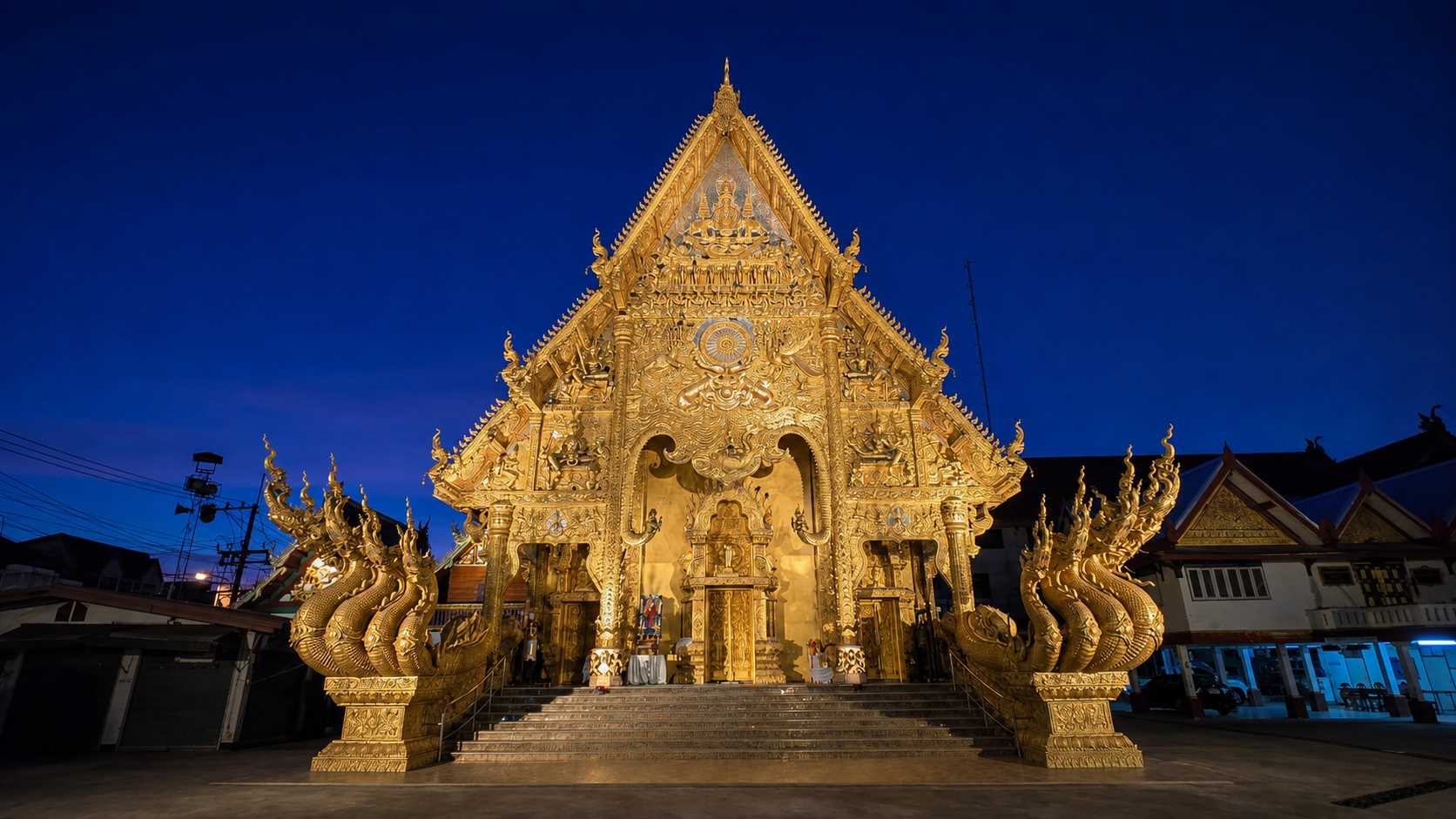
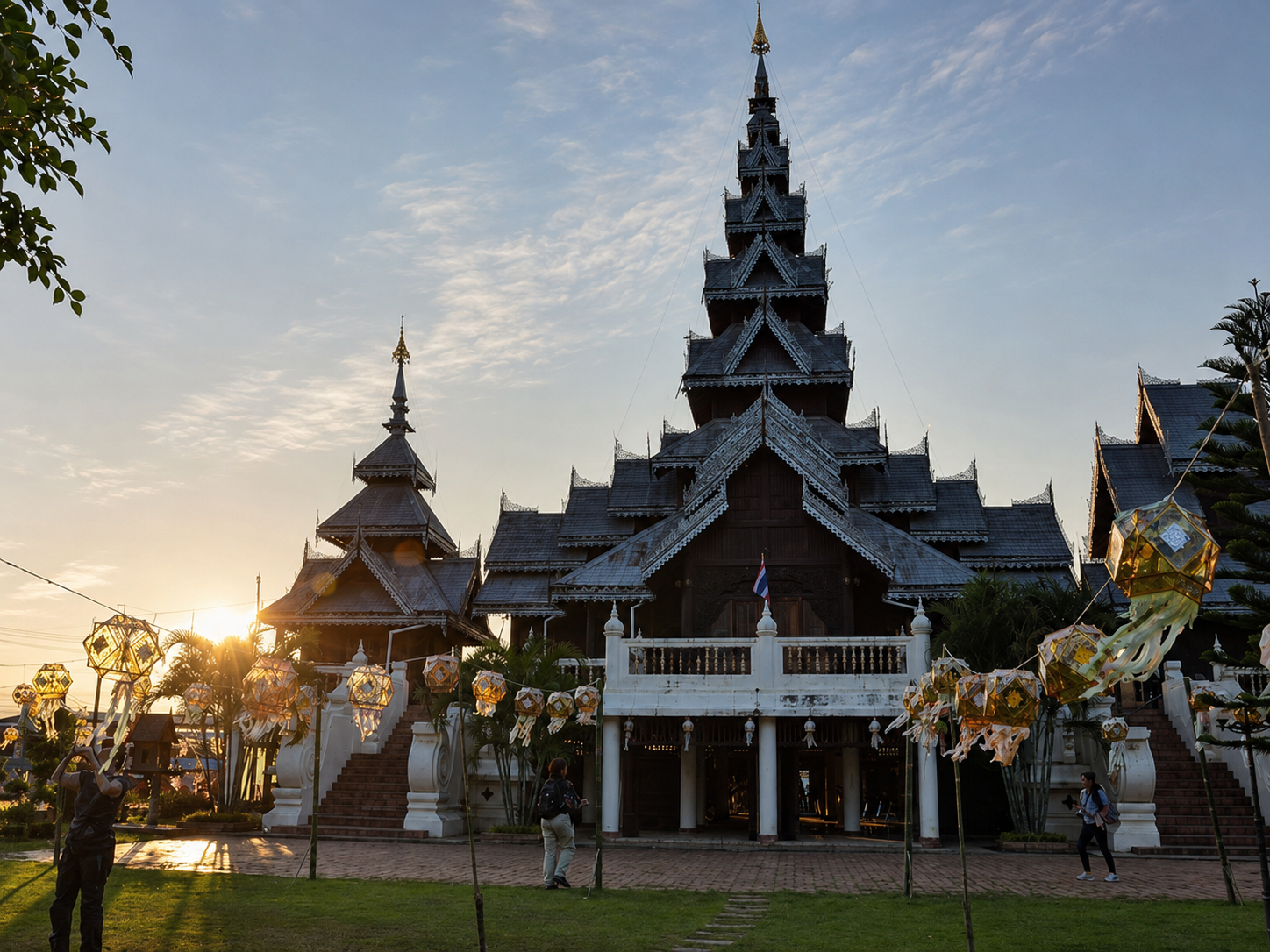
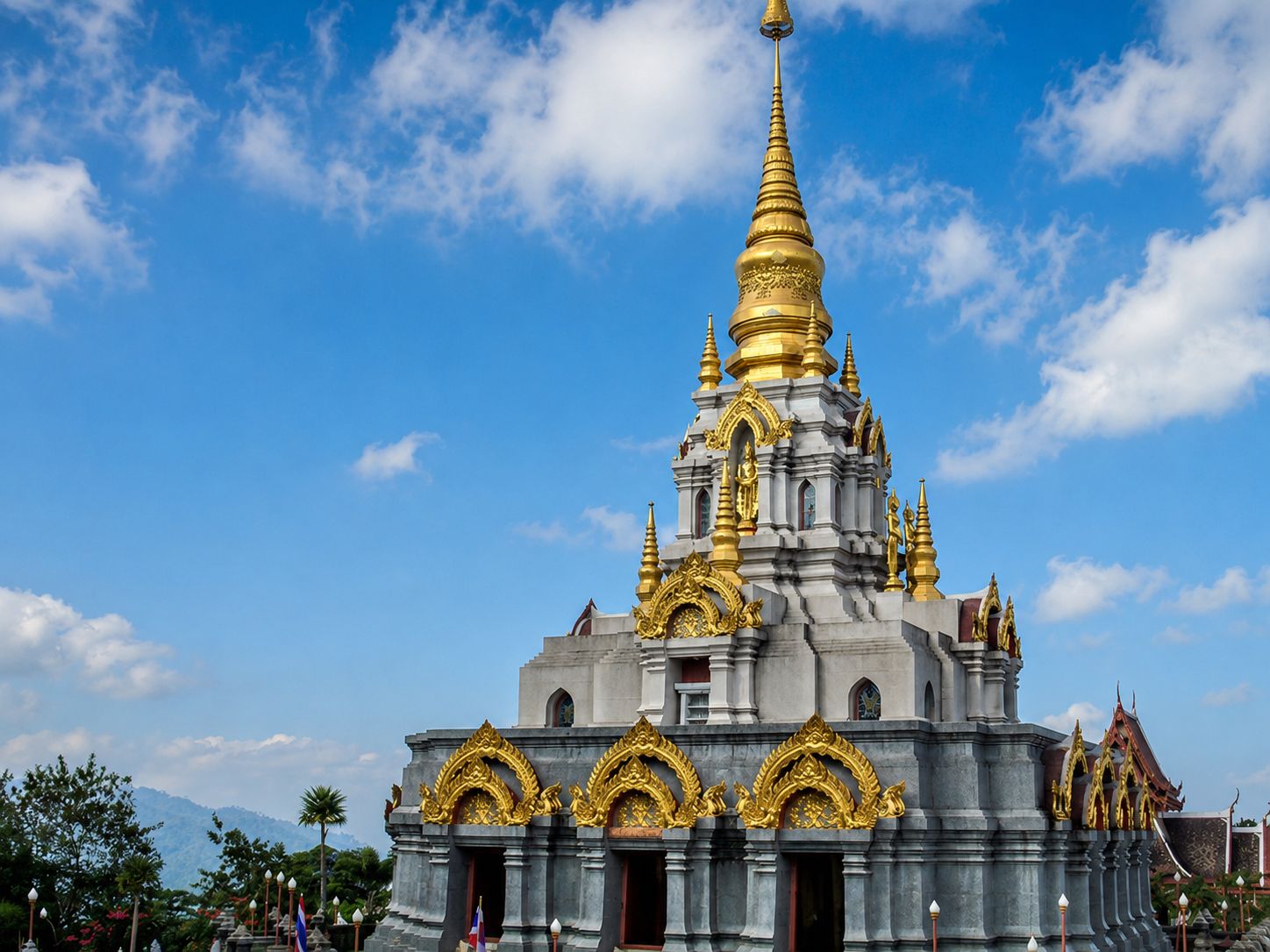
Embark on the ultimate motorcycle adventure through the awe-inspiring landscapes of Northern Thailand! This expertly curated itinerary combines exhilarating rides with rich cultural experiences, offering a perfect blend of thrill and tranquility. Begin your journey in Chiang Mai, the cultural gem of the ancient Lanna Kingdom, where centuries-old temples, lively markets, and delectable street food set the tone for an unforgettable experience.
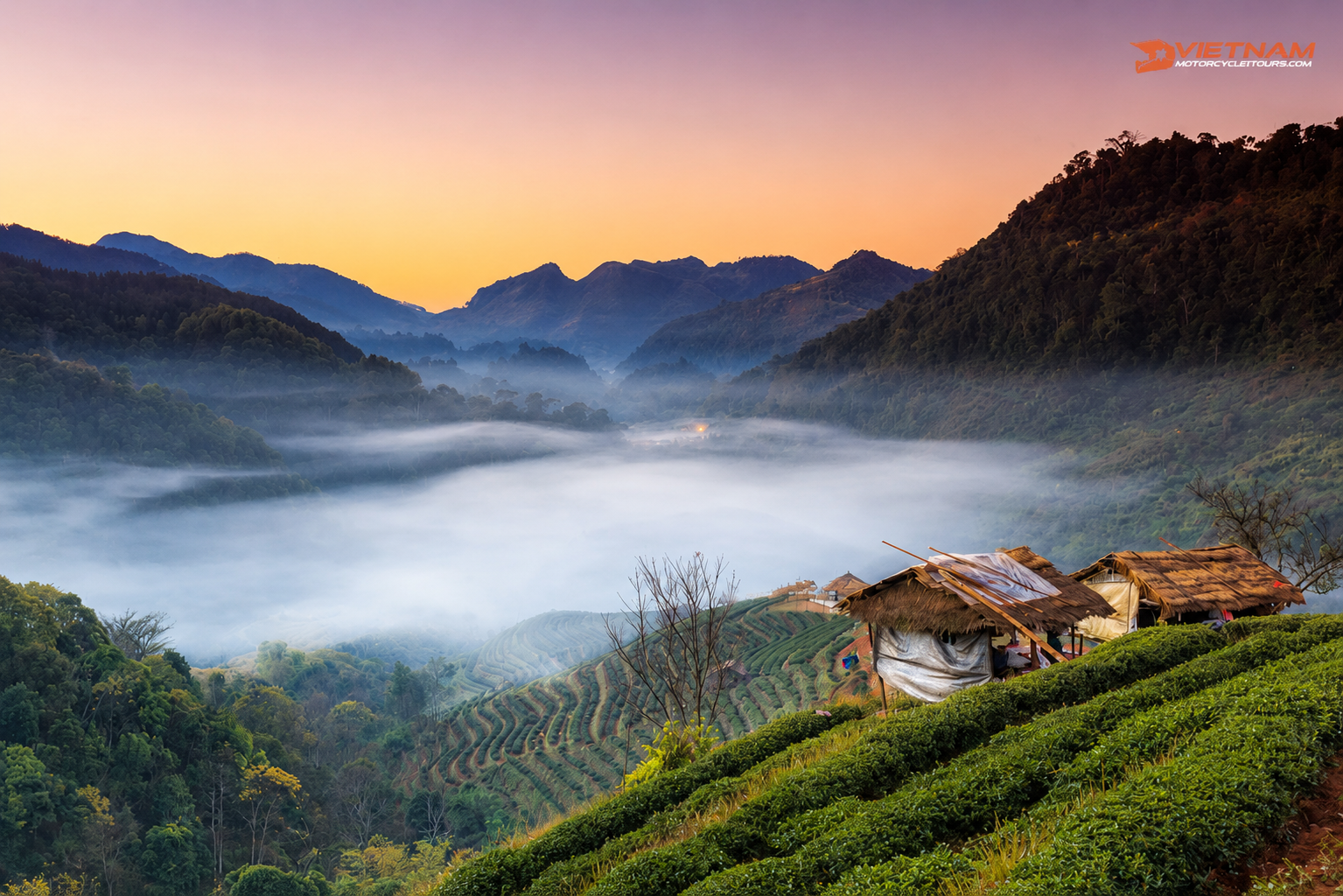
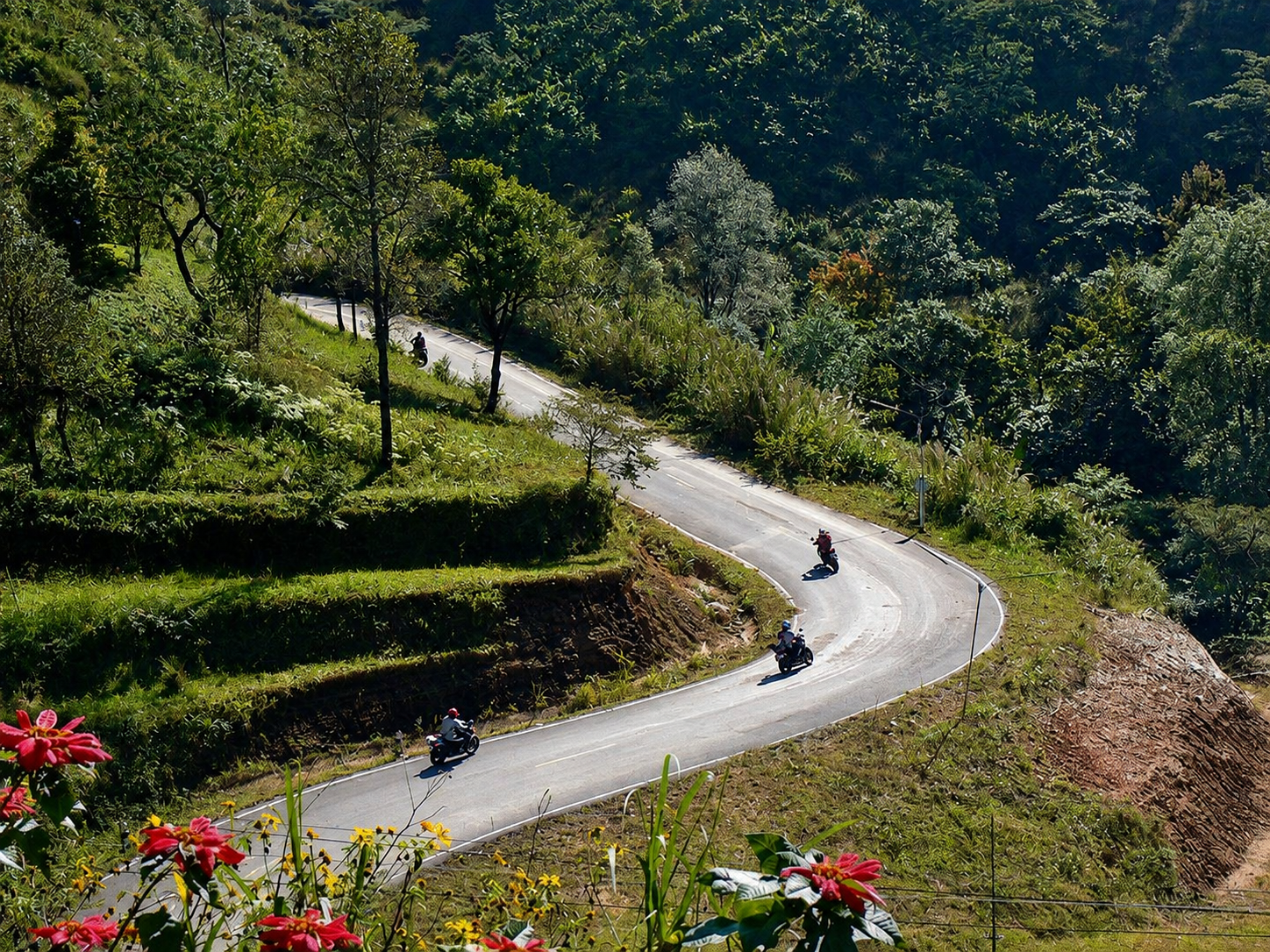
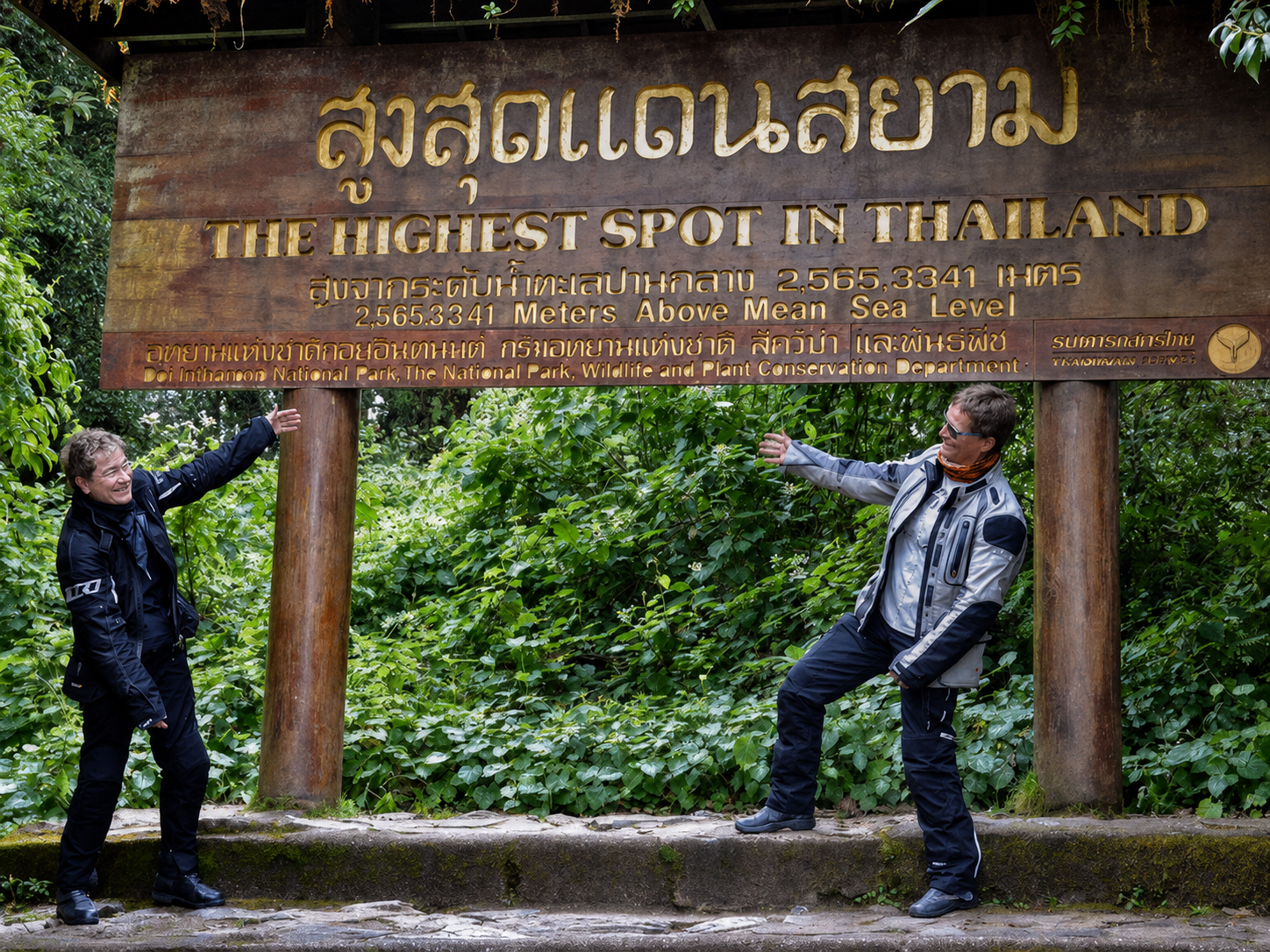
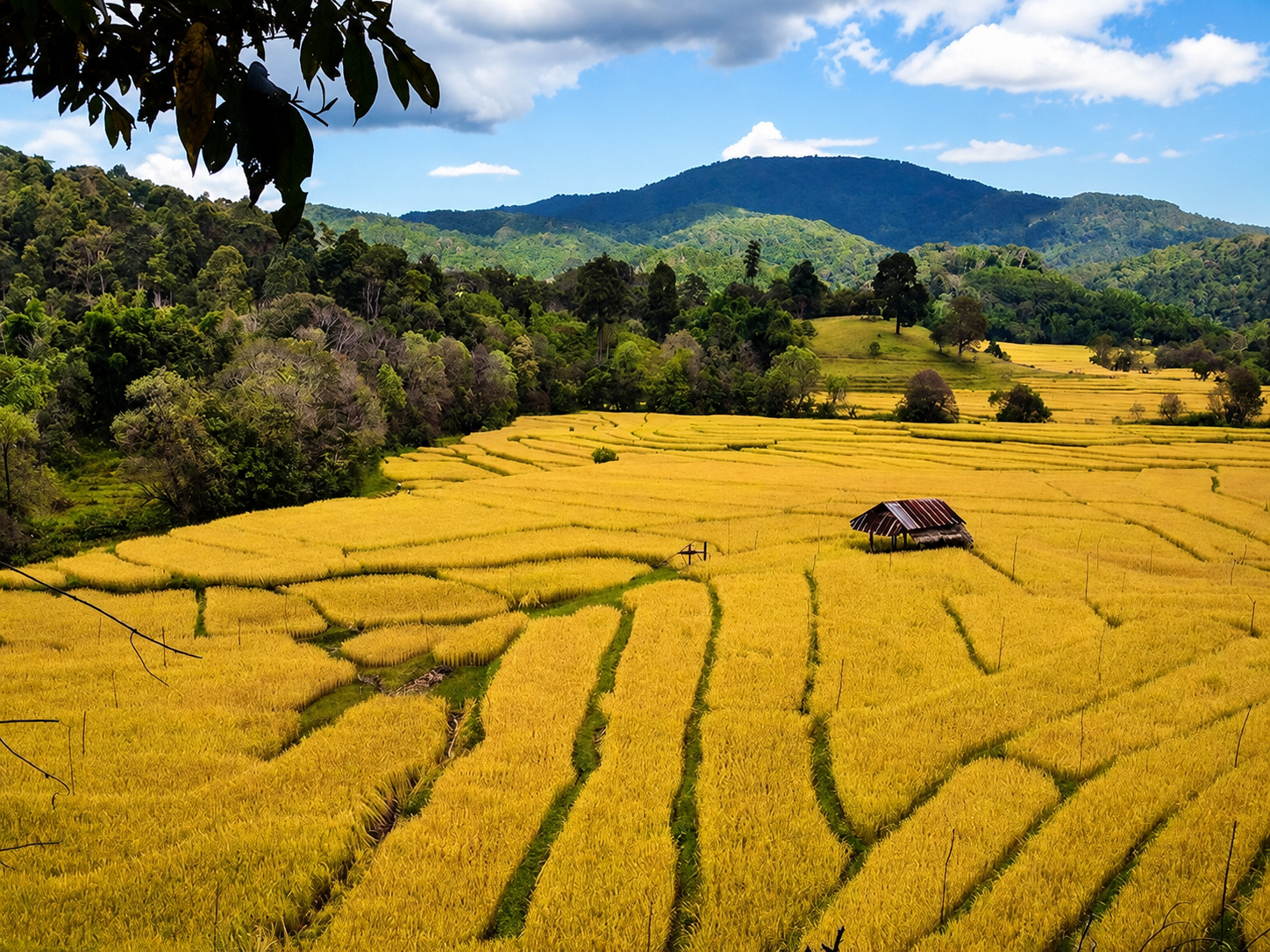
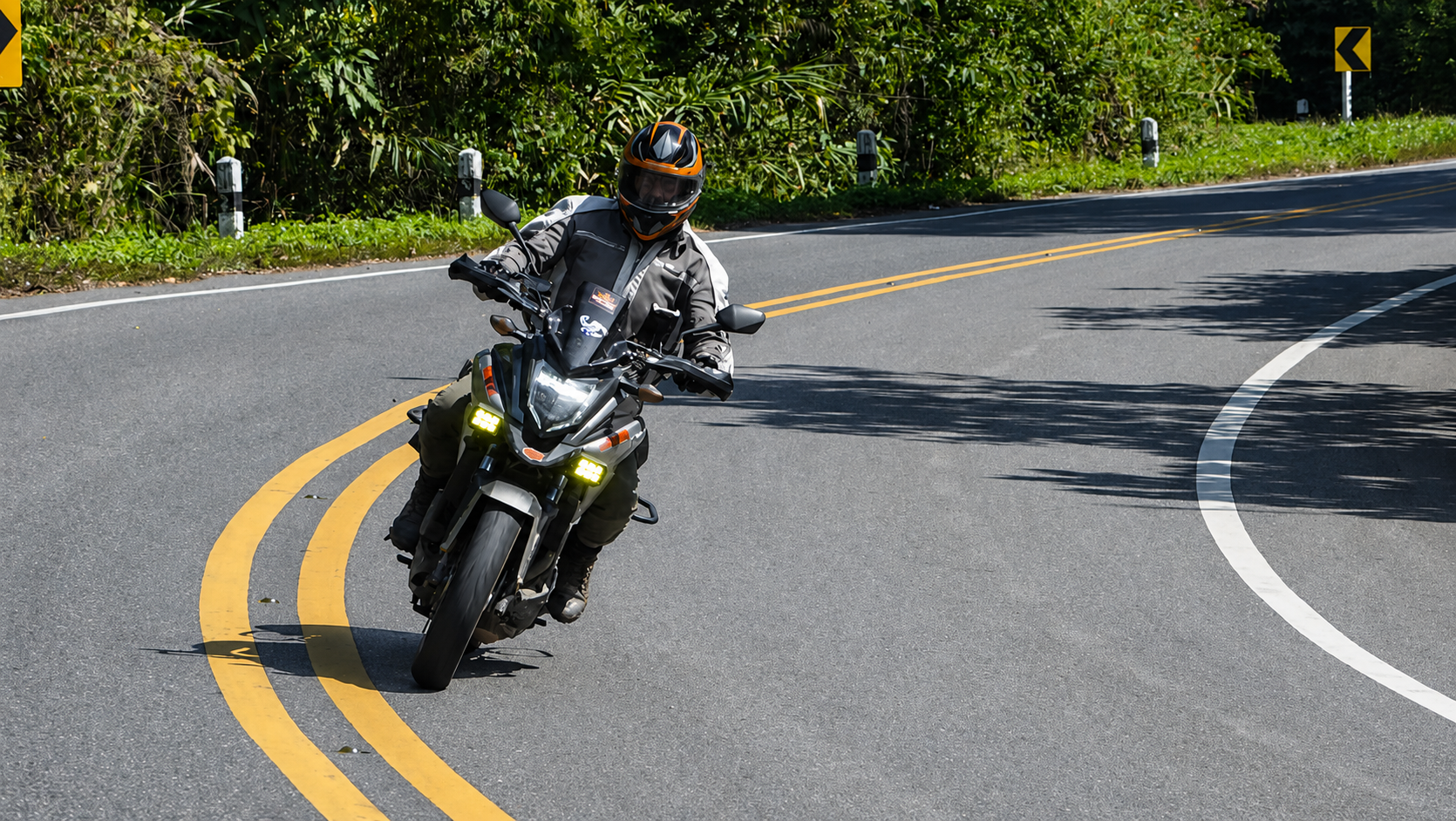
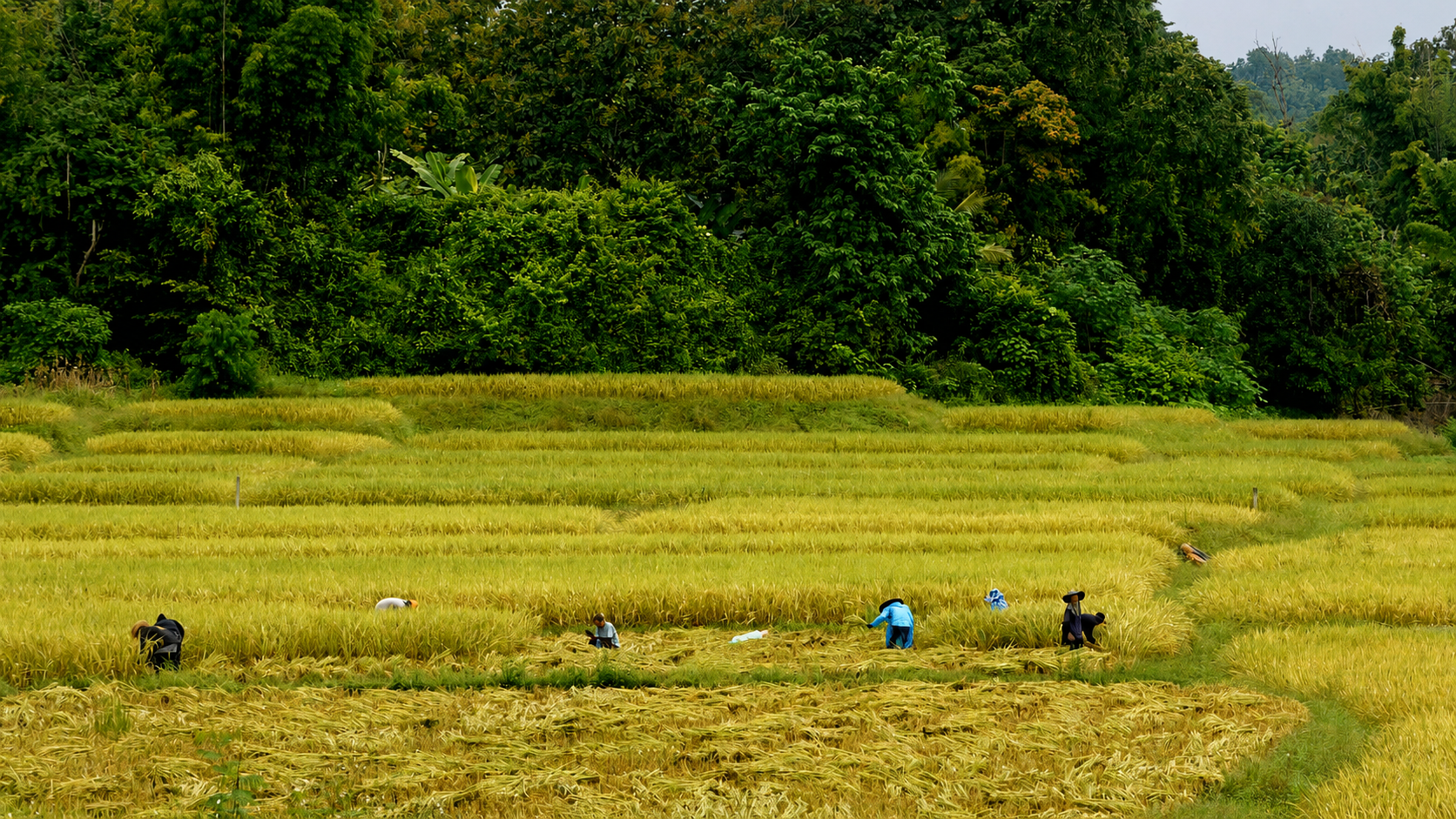
Venture into the heart of the region's natural beauty as you tackle iconic routes like the Mae Hong Son Loop, renowned for its 1,864 thrilling curves, and ascend the breathtaking Phu Chi Fa Ridge with its sweeping views into Laos. Along the Way, Explore Charming Mountain Villages, Lush Tea Plantations, and Serene Riverside Towns, each offering a unique slice of Thai life. From the Majestic Doi Inthanon, Thailand's Highest Peak, to the Tranquil Salt Wells of Bo Kluea, this tour promises not only adrenaline pumping rides but also moments of Serene reflection amidst nature's grandeur.
Whether you're a seasoned rider seeking world-class routes or a traveler eager to immerse yourself in the vibrant culture and flavors of Thailand, this adventure delivers an unparalleled experience. Discover the perfect balance of adventure and relaxation as you ride through one of Southeast Asia's most captivating regions.
THAILAND / Motorcyclists Delight / November 2025 (15 Days)
Yes An international driving license in combination with the national driving license is mandatory. It is not always checked, but in case of failure, it must be presented.
Honda CRF 250L and Honda CB 500X
It is recommended to bring a mix of payment methods: Cash: USD or EUR are the most convenient. Make sure that the banknotes are undamaged, as banks or businesses are already rejecting small coins. For tips, small notes are suitable, coins are less practical. Cash is particularly necessary in rural areas, on markets or on roads. Credit card: Visa and Mastercard are widely accepted; American Express and Diners are less suitable. Ideal for hotels, restaurants, supermarkets and larger purchases. ATM card (debit card): For use outside Europe, be sure to activate the travel time (“Geo Control”). ATMs are widely used in larger cities and tourist centers, and you can usually get the official daily exchange rate. Note, however, that withdrawing money abroad may result in fees. Currency exchange: At the airport or in exchange offices, it is usually easy to change money - now often without high fees. Some jewelry stores also offer exchanges.
Hassle-free On arrival, there are stations at airports that offer tourists SIM cards at fair prices. The provider AIS, which offers the best network coverage in the rural north, is recommended. The mobile network is very well developed, and a personal SIM card is also more secure than open WLAN networks.
Visa requirements may change at any time. Therefore, always check the latest information on official government websites. The following information is for guidance only. Tourists from Austria, Germany and Switzerland can travel to Thailand without a visa and stay for up to 60 days for tourist purposes. The passport must be valid for at least six months upon arrival. Before arrival, the Thailand Digital Arrival Card (TDAC) must be completed online - at least three days in advance - and either printed out or presented as a PDF upon arrival (https://tdac.immigration.go.th/arrival-card/#/home).Ein Return or onward travel ticket should be available. Even if it is not always checked, the immigration authority may require proof of sufficient financial resources for the duration of the stay. Travelers should always carry valid photo IDs and have the documents handy. Driving in Thailand applies: In addition to the national driving license, an international driving license (IDP) in accordance with the Vienna Convention of 1968 is required. Older versions (1926 or 1949 agreements) are not recognized. The documents listed here (apart from the passport) are not always checked, but should always be available.
Thailand offers a variety of fascinating motifs that people like to remember, but there are clear restrictions: Photos of military and military installations are strictly prohibited and understanding can have serious consequences. In some Buddhist temples or pagodas, photography is also prohibited. When taking pictures of people or on markets, you should ask for permission beforehand, either through words or gestures. Many Asians like to be photographed in posed poses that they find advantageous. Showing the photo afterwards often leads to a friendly smile and allows easy contact with the local population. When taking photos of elephants, lightning should never be used - a frightened animal can be dangerous. Even in shopping malls or at shows, photography or filming without the operator's consent is often not allowed.
In Thailand, all forms of e-cigarettes, vapes, e-shishas, vaporizers, pod systems, and tobacco heaters are strictly prohibited. This also applies to owning, buying and selling liquids, regardless of the nicotine content. Violations face heavy penalties, including imprisonment of up to five years for e-cigarettes or up to one year imprisonment or fine of up to 2,700?? For traditional cigarettes. Smoking is prohibited in restaurants without designated smoking areas, public buildings, transportation, schools, hospitals, temples and on many popular beaches, including Phuket and Koh Samui. It is only allowed in officially designated smoking areas in hotels, bars or clubs as well as on private land, e.g. B. on terraces, if permitted. Smoking is generally only allowed on streets or in parks if there is no smoking ban sign. Tip: Always watch for signs and use designated smoking areas to avoid penalties.
Yes, WhatsApp and other messenger apps like Telegram or Signal work well. In Thailand, the LINE app is particularly popular and can be downloaded from both the Google Play Store and the App Store.
It is advisable to carry a combination of cash (USD or EUR), a credit card (Visa and Mastercard are available; American Express and Diners are accepted much less frequently) and an ATM card. The ATM card should be activated at the bank for the travel time for foreign European countries (keyword Geo Control). Card payments are not accepted in many places. When carrying cash, be careful to only bring undamaged notes, as even slightly damaged notes are often not accepted. Small notes are recommended. In larger towns, ATMs are usually available, but the density is significantly lower than in Europe. Currency exchange is possible at airports, hotels and official exchange offices. Note: There have been isolated cases that ATMs have been manipulated and card data was then misused. We therefore recommend that you only use ATMs in secure, well-frequented locations (e.g. in banks or larger hotels).
In principle, flying drones is allowed in Thailand - provided that the numerous regulations and special bans are strictly complied with. All drones must be insured, and drones with cameras generally require regulatory approval. Sounds complicated? Unfortunately it is also.Legal requirements:Registration is mandatory both with the CAAT (Civil Aviation Authority of Thailand) and with the NBTC (National Broadcasting and Telecommunications Commission). In addition, advance approval must be applied for every flight through the CAAT UAS portal. The background to these regulations is that most drones are equipped with cameras and can be used to create aerial photographs. Not allowed include: Flights in darkness, over 90 meters above sea level, in restricted and prohibited zones, near public buildings, hospital users, crowds of people or vehicles, within a radius of 9 km of airports and flights without direct visual contact on the threat.Consequences of violations: Anyone who violates the regulations must, in the best case, confiscate and possibly destroy the equipment as well as fines of up to around 1,200? calculate. In more severe cases, prison terms of up to one year may be imminent. The legal provisions change regularly. It can therefore be assumed that many drone videos published online by tourists were made illegally - but this is expressly not an invitation to imitate. We expressly advise against acting according to the motto “No risk, no fun.”
Silk, handmade soaps and candles, aromatic spices, tea, as well as soothing balms and massages are particularly popular. Handicrafts such as miniature tuk-tuks, Buddha statues, marionettes and traditional lacquerwork are also in demand. Handbags, jewelry or wooden and stone figurines are also popular souvenirs. Haggling is common at markets and in small shops, and many products can be purchased directly on site. Tip: Be sure to use Buddha figures respectfully - they should not be used as key pendants or decoration on the ground.
In addition to the usual standard vaccinations, no other vaccinations are required in Thailand. Rabies vaccination is sometimes recommended as there may be occasional attacks by stray dogs, particularly in rural areas. A preventive malaria vaccination is currently not available for travelers. The risk of malaria in northern Thailand in November is very low to virtually non-existent. Vaccinations against hepatitis A and B and typhoid fever are generally not required, but may be useful after an individual risk assessment. We recommend that you consult a doctor with tropical medicine in good time before traveling.
Thailand has a tropical monsoon climate with three seasons: a cool season from November to February, a hot season from March to May and a rainy season from June to October. The temperatures are high all year round, in the hot phase they can reach up to 40? “C. Regional differences, particularly between the mountainous North and the islands, also influence the climate. The eastern coast of the Gulf of Thailand tends to be a bit drier. It never gets really cold in Thailand: In November, are night temperatures in northern Thailand still around 14-20? C, tags at around 25-33? C, occasional rain showers are possible.Tips for equipment: Rainwear is useful, as is a lightweight jacket for cooler evenings. Protective clothing for motorcyclists is a matter of course.
Respect for Buddhists and religious cities: It is considered extremely insulting to touch Buddhists on the head, to point at or point at people or religious objects. Temples should not be entered in shorts or tank tops; appropriate clothing is often provided at the entrance. Everyday life and behavior: Taxis without a meter should be avoided; if the driver refuses to turn on the meter, another taxi should be chosen. Bathing naked or being topless on the beach is not allowed. Tap water should not be drunk. You should trade on roads or markets when buying, except for food. Drugs: Thailand has very strict drug laws. Possession, use, or trafficking of drugs is strictly prohibited. Since June 2025, there have been stricter regulations for cannabis products whose sale is now licensed. Protection of nature and animals: The purchase or possession of ivory, crocodile leather, corals, dried starfish or seahorses is prohibited. Any alteration of beaches or the removal of sand, pebbles, mussels or quartz rock, even in the smallest quantities, is not permitted.Antiquities: Be careful when buying antiquities, as there are many delusions. Even if they were purchased in official stores, this does not mean that they can be sold without problems.
We expect a net trip time of around 5 hours. Depending on the chosen route, the distance traveled may vary; on average, it will be 100-200 km per day. Sometimes it is less than 100 km, rarely significantly more, as long as road conditions permit this without any problems. The roads in northern Thailand are asphalted and very well developed. Unpaved sections are virtually non-existent on our tour.