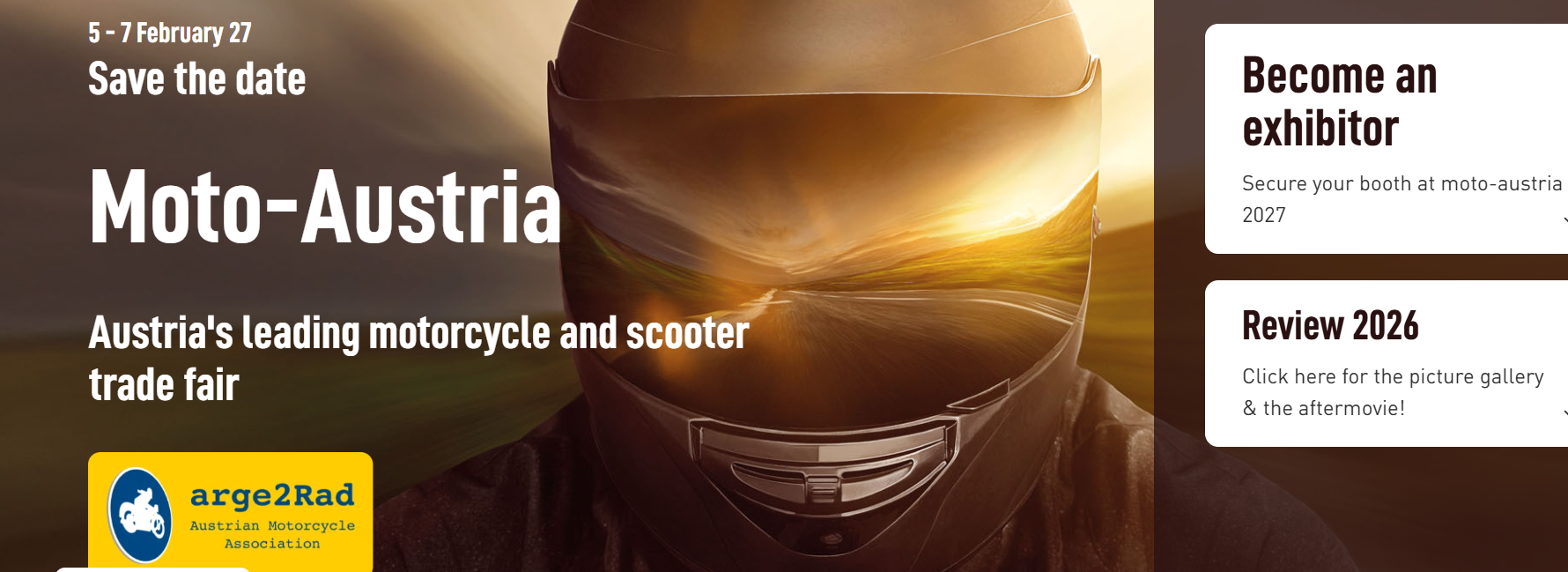



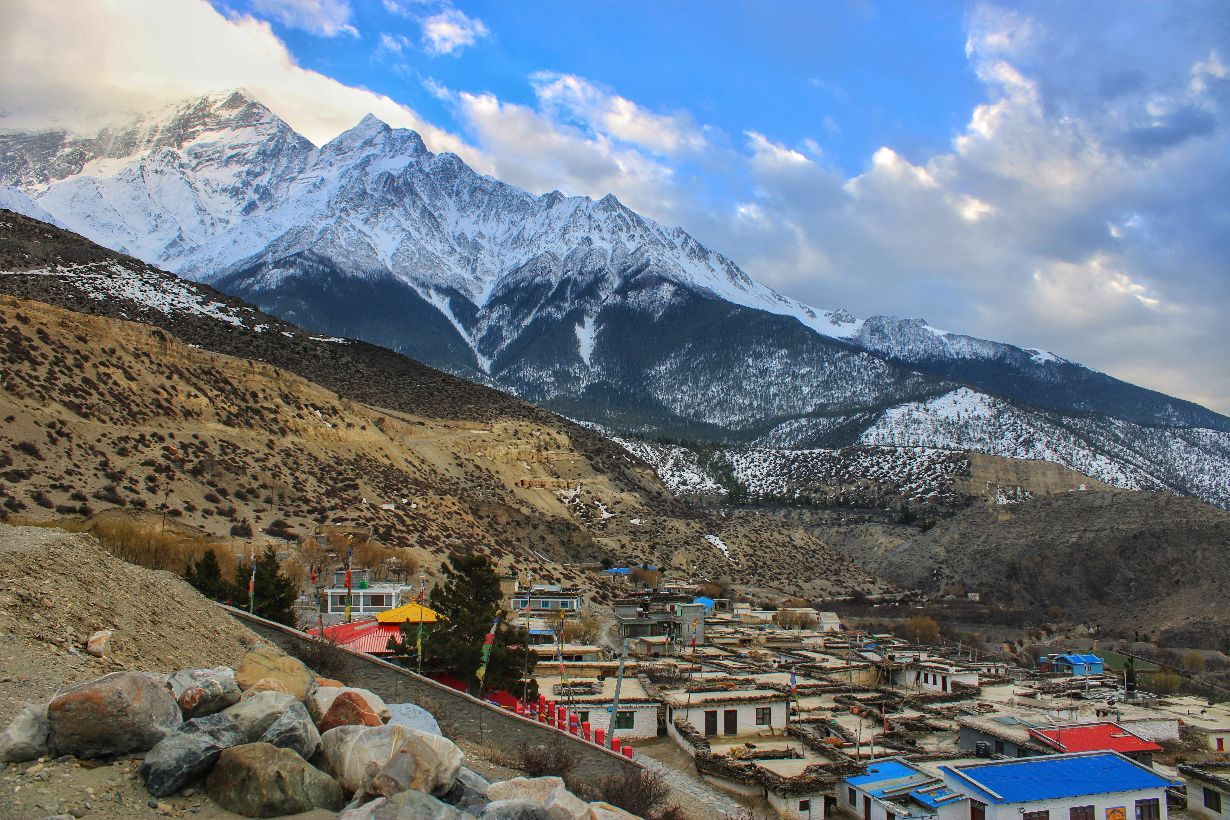
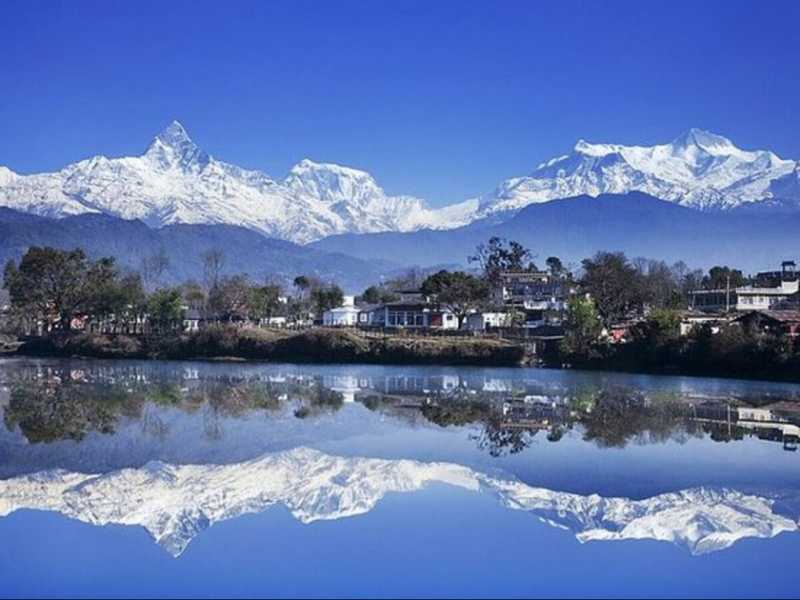
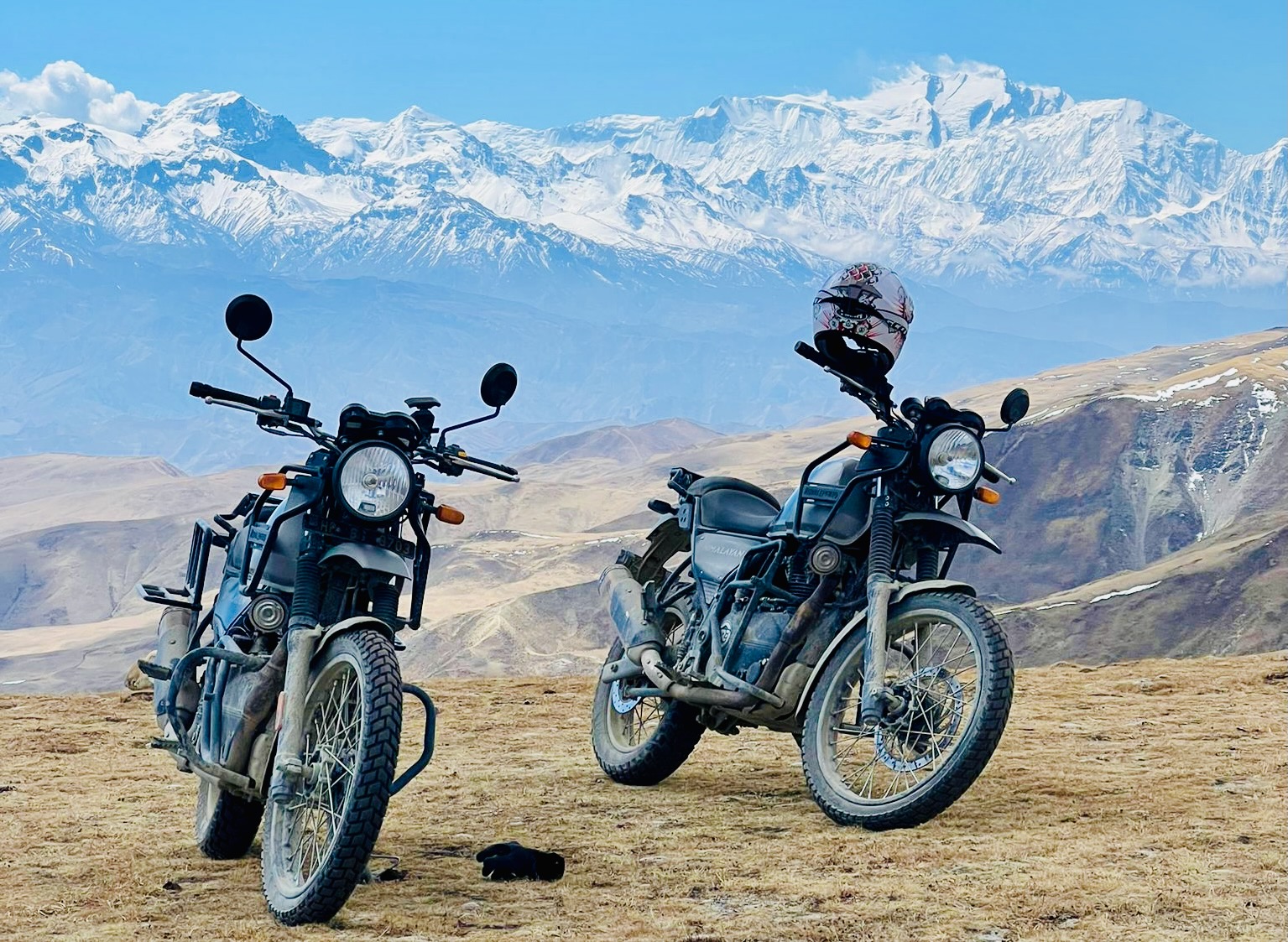
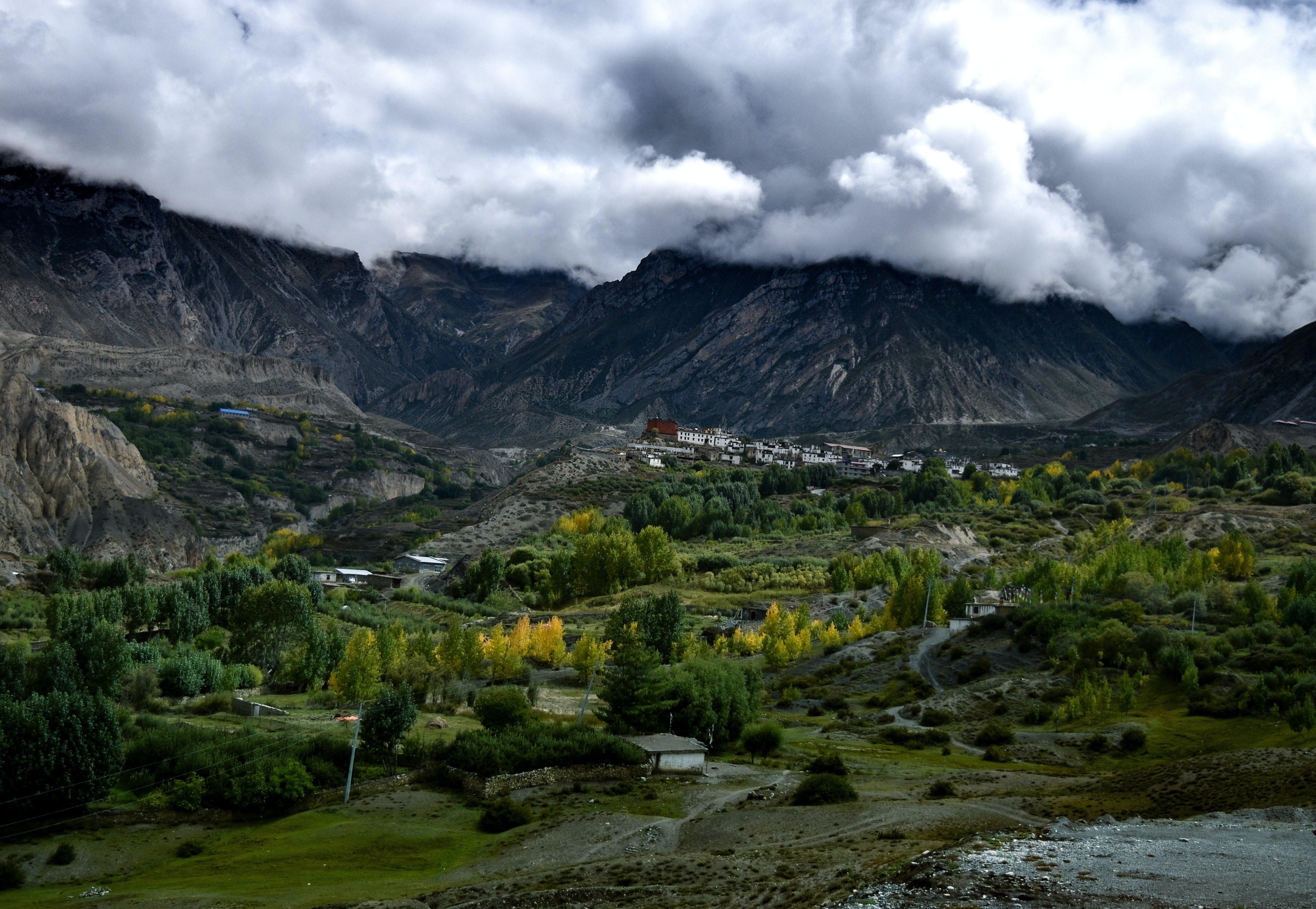
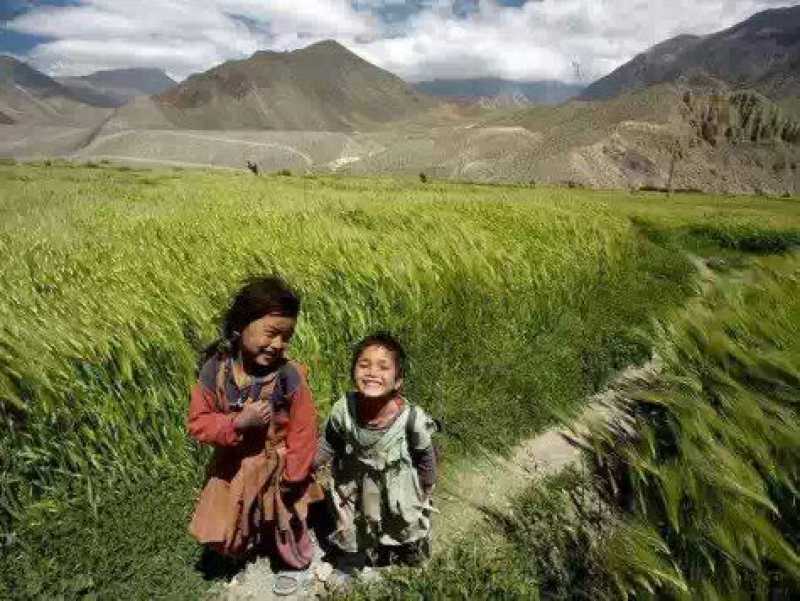
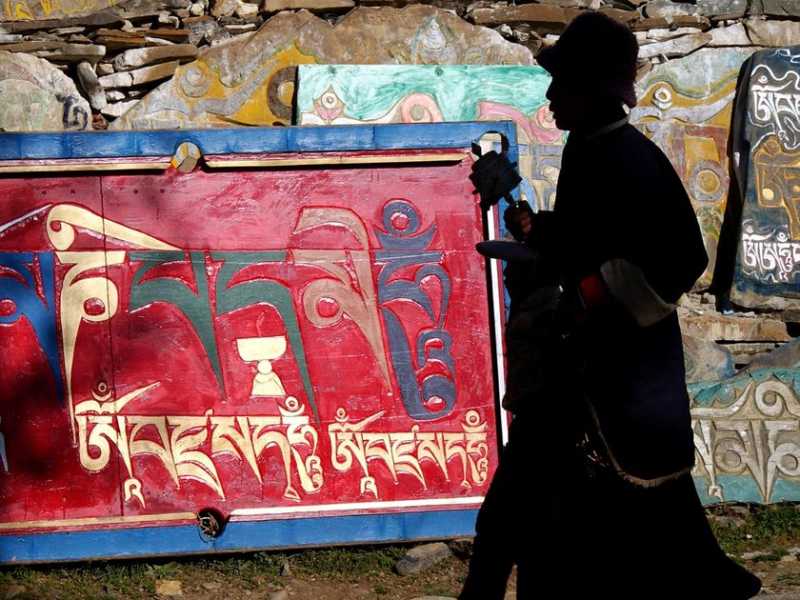


Asia Bike Tours will be there live – Hall B3 | Booth B3-209. Meet us in person, get inspired for your next big motorcycle journey and dive into a world of freedom, adventure and true wanderlust.
Discover it with your own eyes
What people are saying
Edith L.
Cher Shankar.
J'ai le plaisir de te dire que mon voyage au Népal a été un vrai régal. C'est vrai que tout était fait pour avoir un beau voyage à moto enfield. La météo nous a été favorable, les lieux que tu as choisi pour nous héberger sont accueillants et propre et partout la nourriture est merveilleusement présentées et colorées, on y mange tellement bien.
Les routes sont comme je le recherchai terribles et caillouteuses. Les changements paysages et de climats sont grandioses, quel beau souvenir.
Ce voyage sans toi n'aurai pas eu la même saveur. Tu es joyeux et communicatif. Tu nous emmène dans des endroits encore authentiques vers une population accueillante. Chaque matin on pouvait t'entendre nous décrire le déroulement de la journée avec carte géographique. Aux arrêts tu as souvent une anecdote ou une histoire pour compléter ce qu'on regarde. Le soir aussi tu as de quoi nous en apprendre plus sur ce pays le Népal. Mon voyage prochain sera aussi avec toi en 2025. A bientôt
2025-02-06
山下 和夫
Dear Heinrich.
A happy New year.
Last year I tried Edelweise Bike-Tour in NZ.
And Japanese one in Spain&Portugal.
I realized your tour is the best.
I hope everything is fine with you.
Kazuo Yamashita
2012-10-01
shelly & steve
Dearest Heinrich:
Steve and I wanted to “THANK YOU” for such a wonderful trip through Shangri-La, China! We had such an incredible time – our heads are still spinning from all of the wonderful culture we experienced. As I mentioned to you many times, I only wish we would have had helmet cameras to capture all of the sights, sounds, animals and cultural dress we saw as we traveled through all of the different villages. It was a once in a lifetime experience and you and your crew made the trip so easy – we could have never experienced that on our own. All of the stories about your travels were so interesting and your knowledge of the area was very captivating. You are PERFECT at what you do. It’s very clear you love your job or can you even call it a job? We really enjoyed the fact you were right with us on the whole trip from breakfast to late evenings sharing a glass of wine.
We watched “Seven Years in Tibet” (as you recommended) and that kind of put it all together about the Tibetan culture and what happened to them. They are such a happy, warm group of people. I feel like we saw terrain from the Blue Ridge Mountains in Virginia to the Rocky Mountains in Colorado to Baja Mexico. The bikes were perfect for the trip. Being on a dirt bike made it a lot easier navigating on some of the roads.
I only hope we can make it on another one of your trips in the near future – we would love to go to India. It says a lot for your business when you have repeat customers come back and do other trips as well. You are always welcome to come visit us in California – we could do our own little trip through Baja.
We wish you all the best in your travels! If ever you write a book – please put us on the list. I believe this was the best way to see the country – on the freedom of a motorcycle.
THANK YOU FOR AN ADVENTURE OF A LIFETIME……..
Sincerely,
Shelly & Steve Morefield
shelly & steve, L.A
2011-08-26