

Asia Bike Tours at the 40th Gurkentreff 2026 🏍️ Motorcycle journeys from the Alps to the Himalayas 📍 Thumsee · May 30 · from 12:00 pm 🔥 Talks, stories & campfire
This special motorcycle journey through Sri Lanka combines riding pleasure, cultural depth, and relaxed beach time into a truly unique overall experience. It is designed for motorcyclists who appreciate winding roads, diverse landscapes, and authentic encounters.
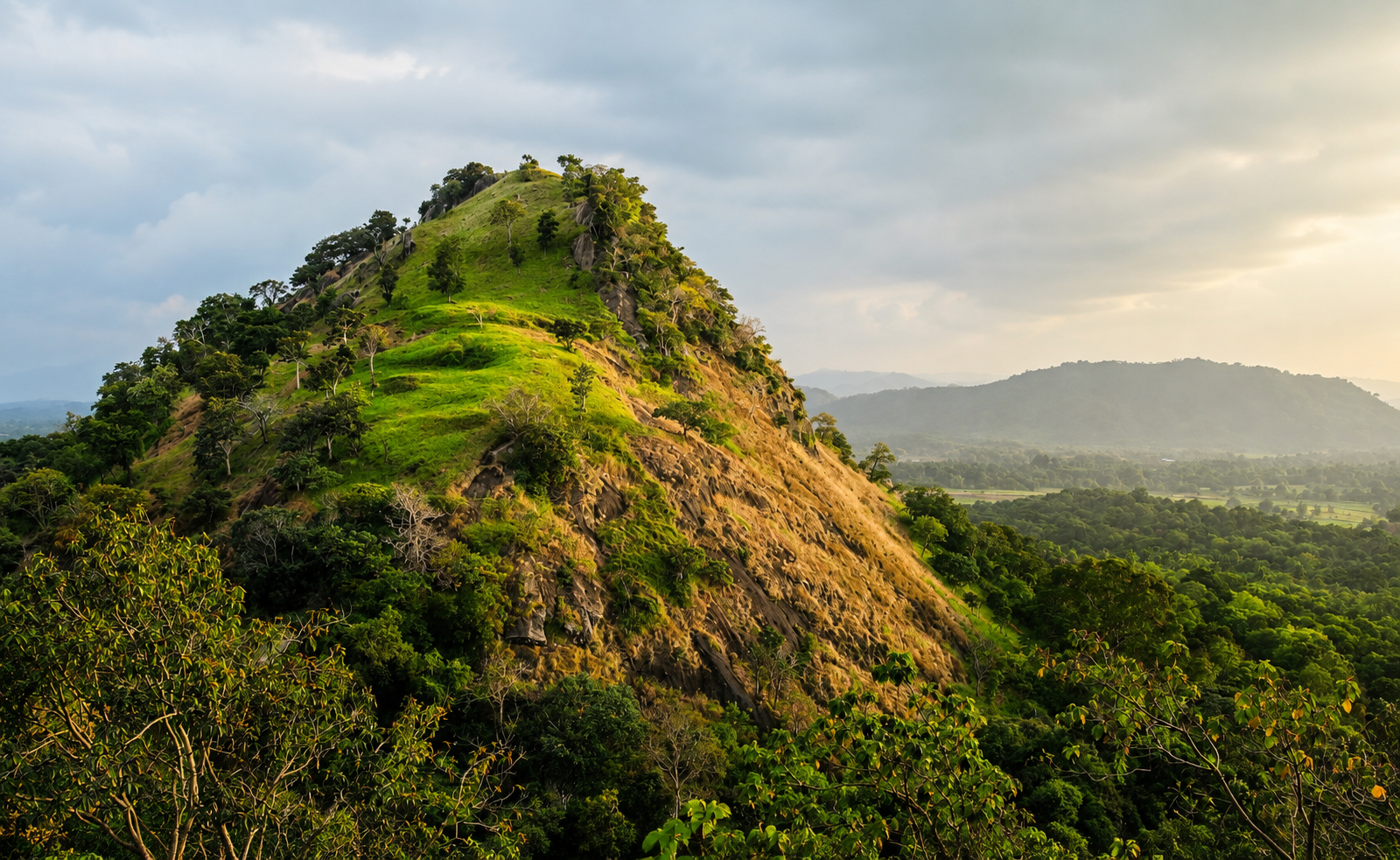
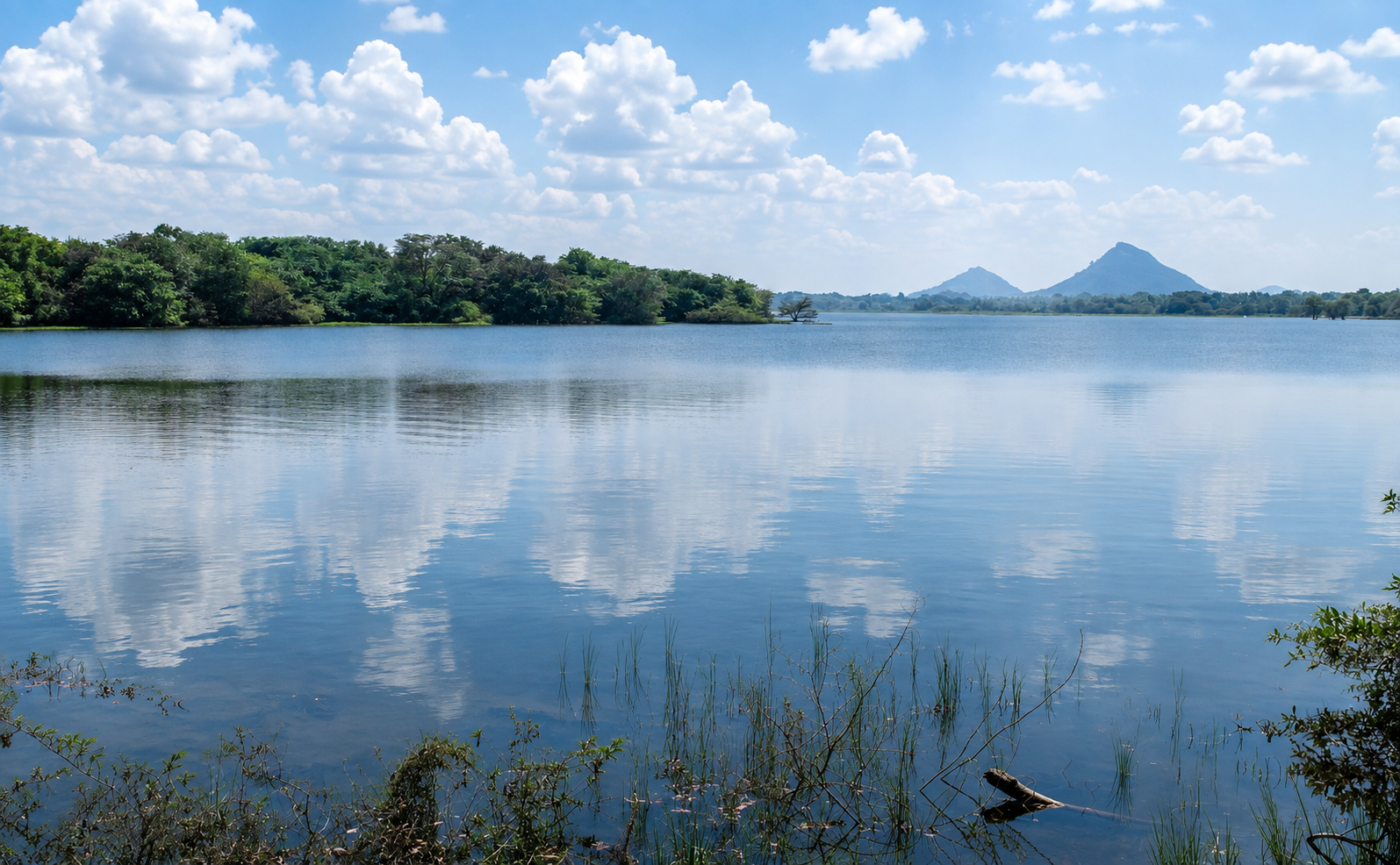
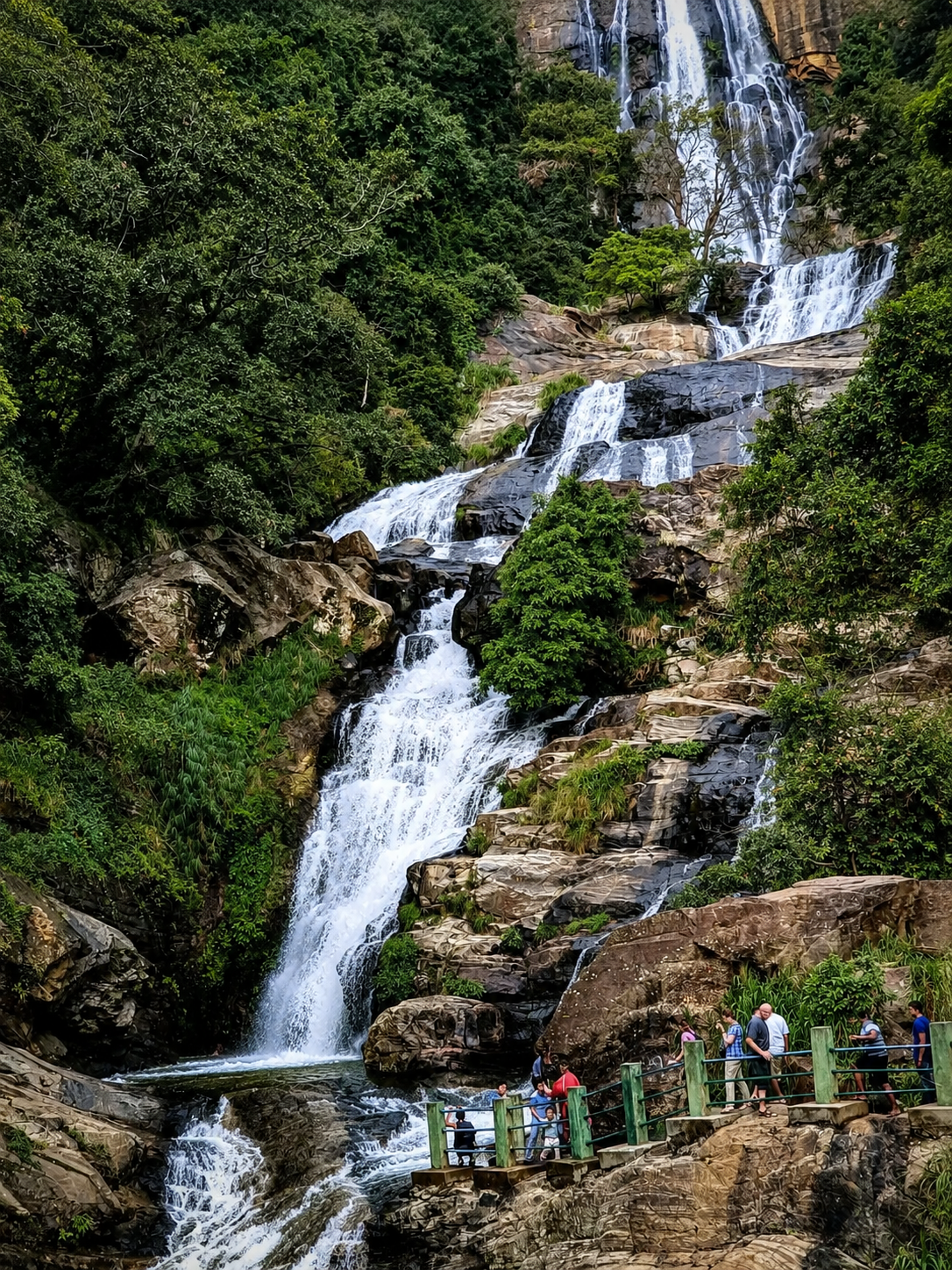
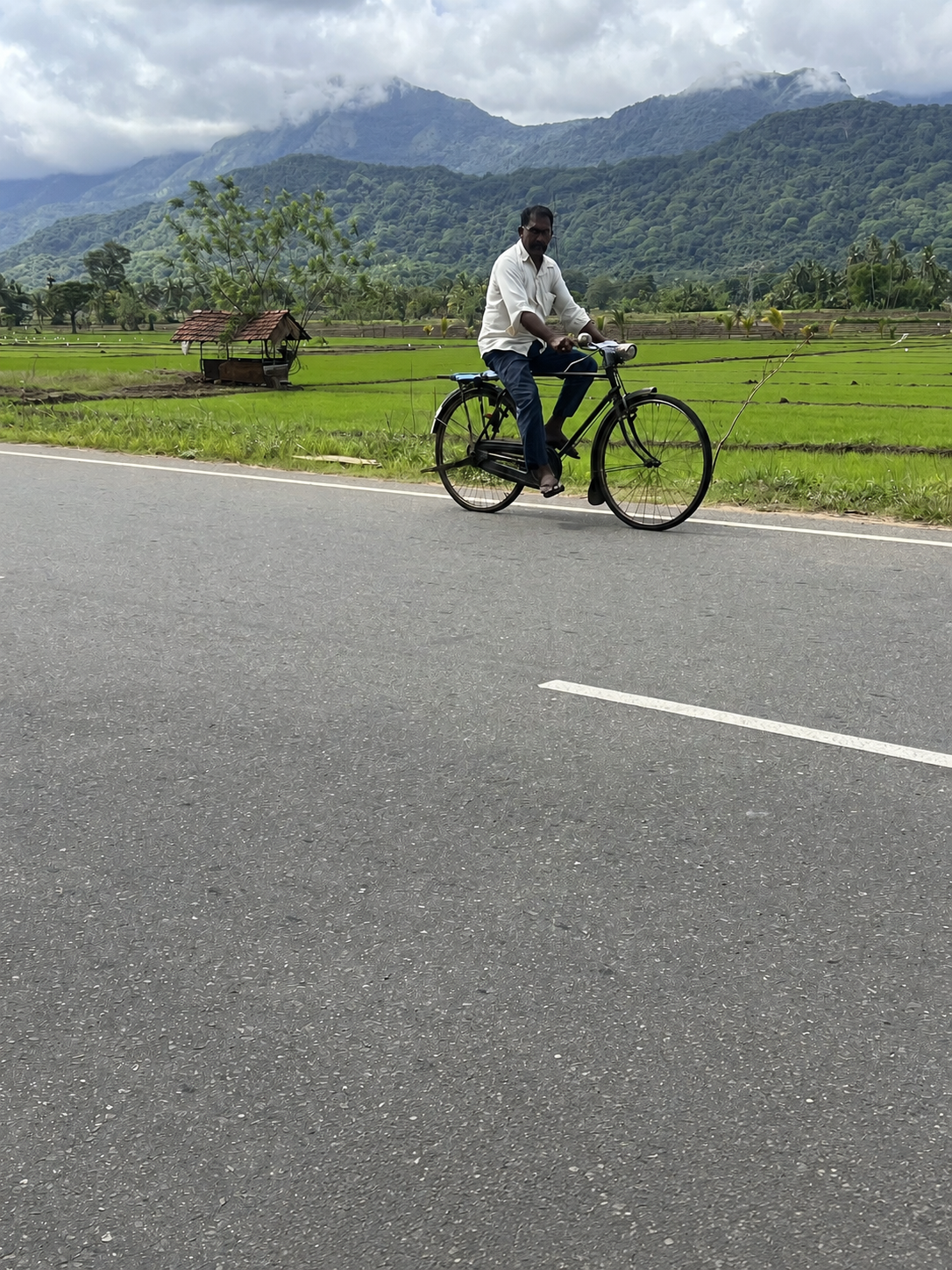
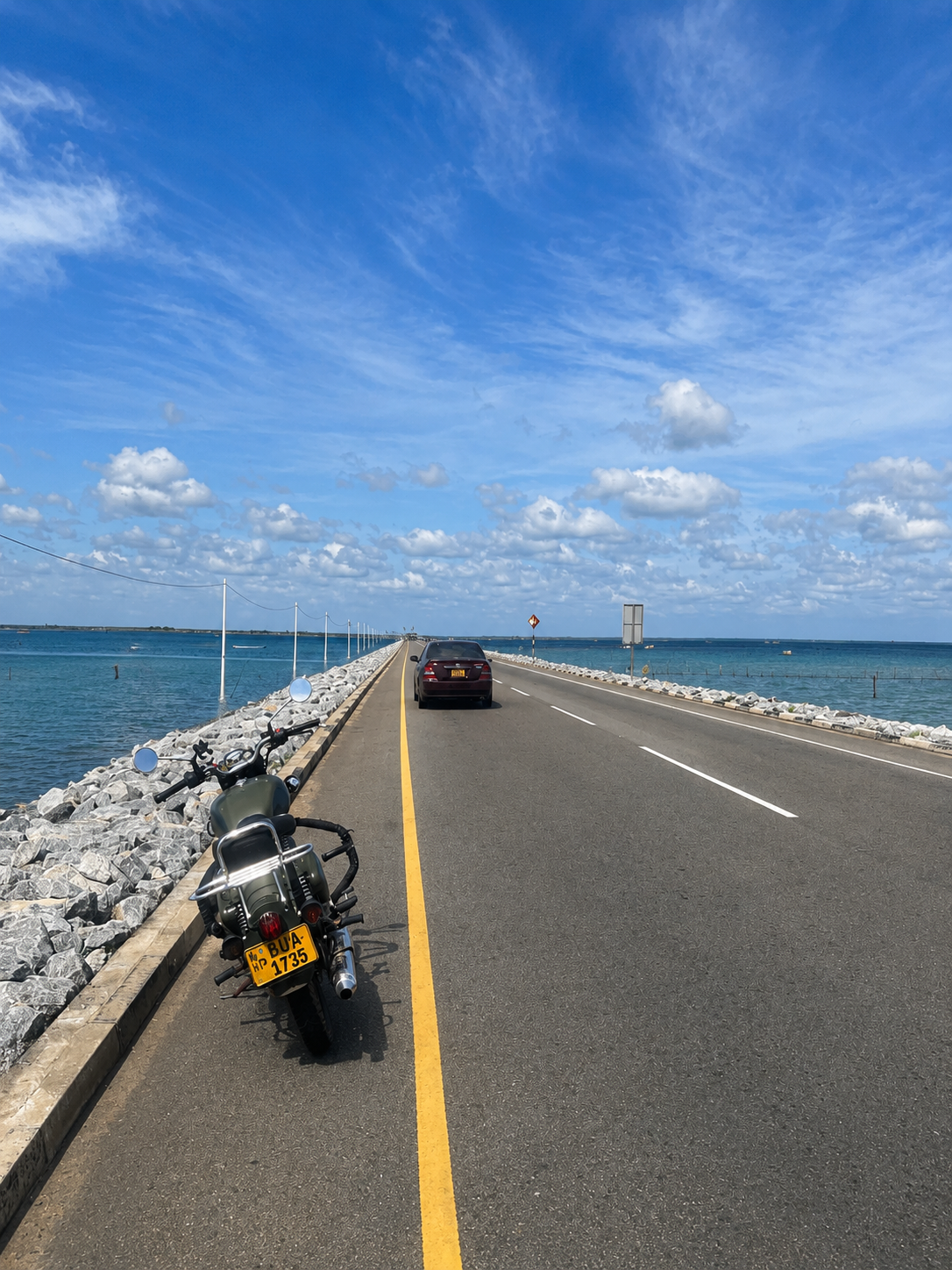
Sri Lanka offers ideal conditions for enjoyable motorcycle touring: away from the cities, traffic is light, roads are beautifully flowing, and the scenery shifts between green hills, dense forests, and spectacular coastal stretches. Tropical nature, the ever-present Buddhist culture, and the extraordinary warmth of the people create an atmosphere where travel feels both intense and unhurried at the same time. Each day is accompanied by Sri Lanka’s diverse and aromatic cuisine.
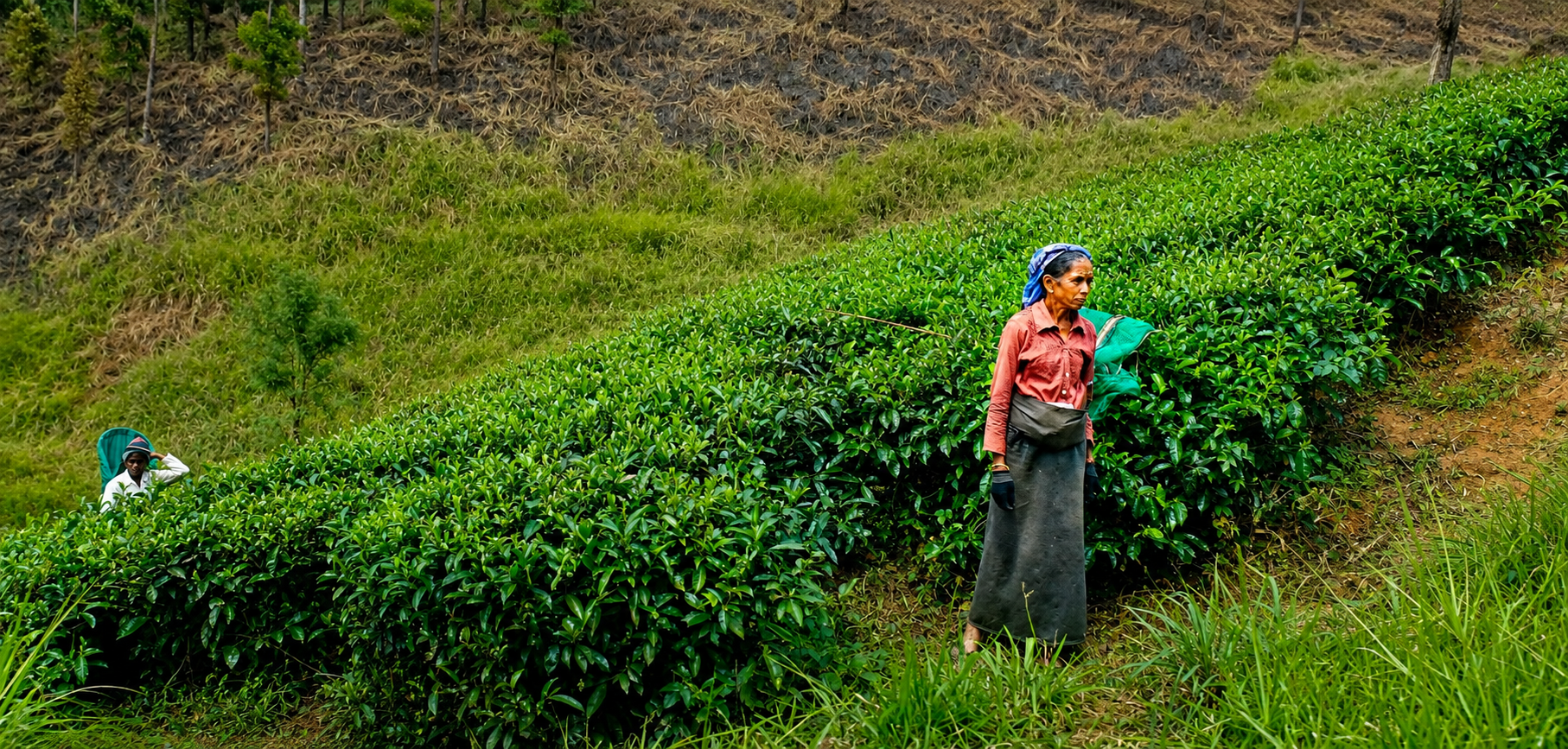
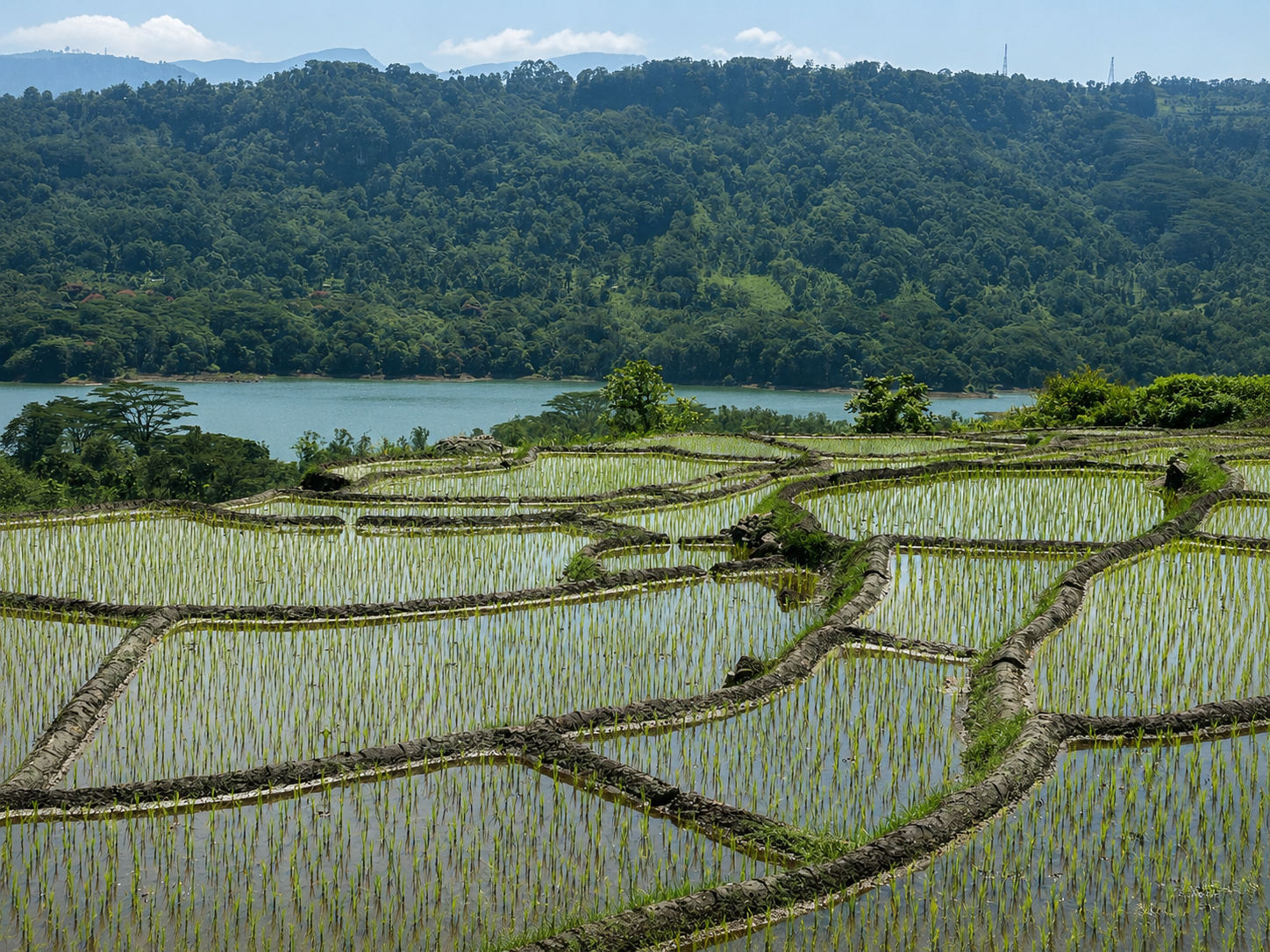
A riding highlight of the journey is the central highlands around Kandy and Ella. Here, our stages follow quiet, winding mountain roads through endless tea plantations and mystical cloud forests — a true paradise for riders who love smooth lines and constantly changing scenery.
To balance the riding days, the tour includes relaxed time on two very different coastlines:
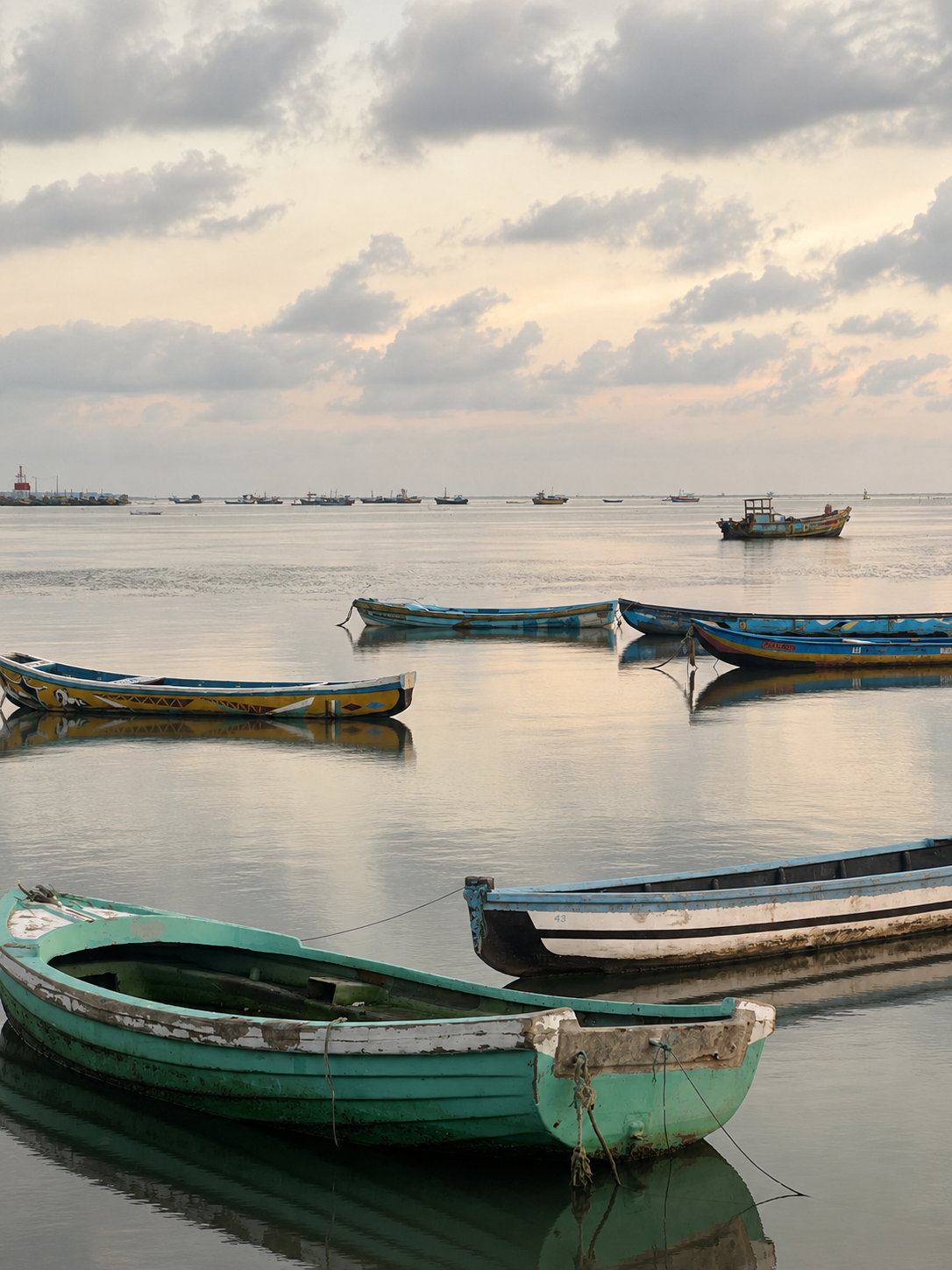
Nilaveli on the east coast, with wide, peaceful beaches and crystal-clear waters, and Mirissa on the south coast, offering tropical flair, palm trees, and sunsets over the ocean.
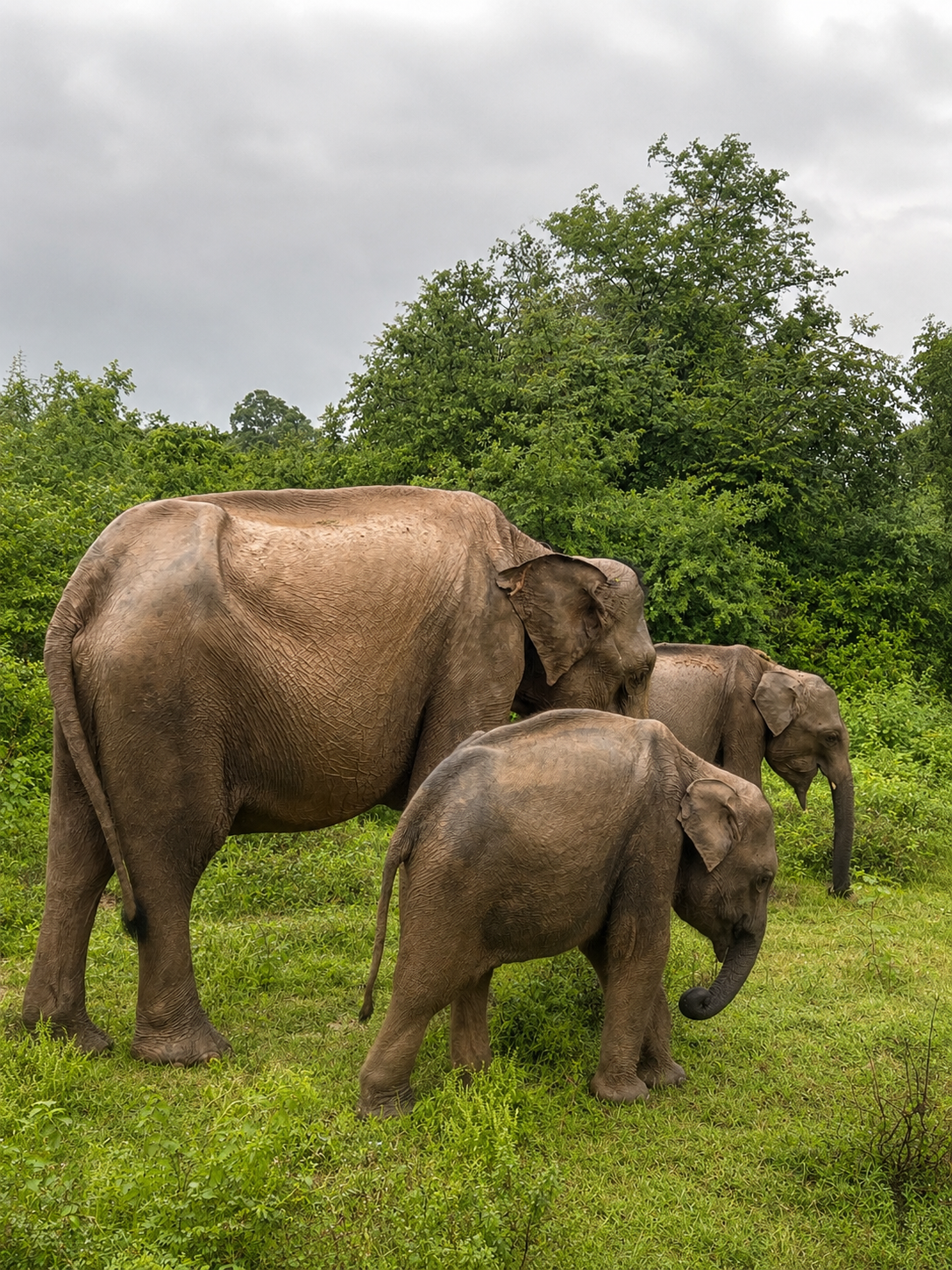
A memorable contrast to the riding routine is a visit to Udawalawe National Park, where we observe elephants and other wildlife in their natural habitat. This powerful nature experience perfectly rounds off the journey, making it one of the most diverse motorcycle tours in the Indian Ocean region.
Rider: € 3.480
Pillion-Rider: € 2.980
Single Room Supplement: € 490
Rider: € 3.480
Pillion-Rider: € 2.980
Single Room Supplement: € 490
Rider: € TBA
Pillion Rider: € TBA
Single Room Supplement: € TBA
Rider: € TBA
Pillion Rider: € TBA
Single Room Supplement: € TBA
Rider: € TBA
Pillion Rider: € TBA
Single Room Supplement: € TBA
Yes. You must carry an international driving permit along with your national driving license. It’s not always checked, but you’ll need it if you’re stopped.
Visa requirements may change at any time. Always check the latest information on the official websites of the Sri Lankan government. The following information is provided for orientation purposes only.
Citizens of most countries require a visa in the form of an Electronic Travel Authorization (ETA) to enter Sri Lanka.
This ETA should be applied for online before travel via the official ETA portal: https://eta.gov.lk/etaslvisa/etaNavServ
The ETA approval should be printed out and presented at immigration upon arrival.
The passport must be valid for at least six months from the date of arrival in Sri Lanka and should have sufficient blank pages.
A confirmed return or onward ticket is expected and may be checked by immigration officials. Evidence of sufficient funds to cover the stay may also be required at entry.
For motorcycle riding in Sri Lanka, it is necessary to carry an international driving permit (IDP, based on the 1949 Geneva Convention) in addition to a valid national driving license.
Yes – in general, photography is permitted in public areas in Sri Lanka. However, some important legal and cultural rules should be observed:
Military and government facilities: Photographing military personnel, police stations, checkpoints, ports, airports, and certain government buildings is prohibited or heavily restricted. When in doubt, it is best to refrain from taking photos.
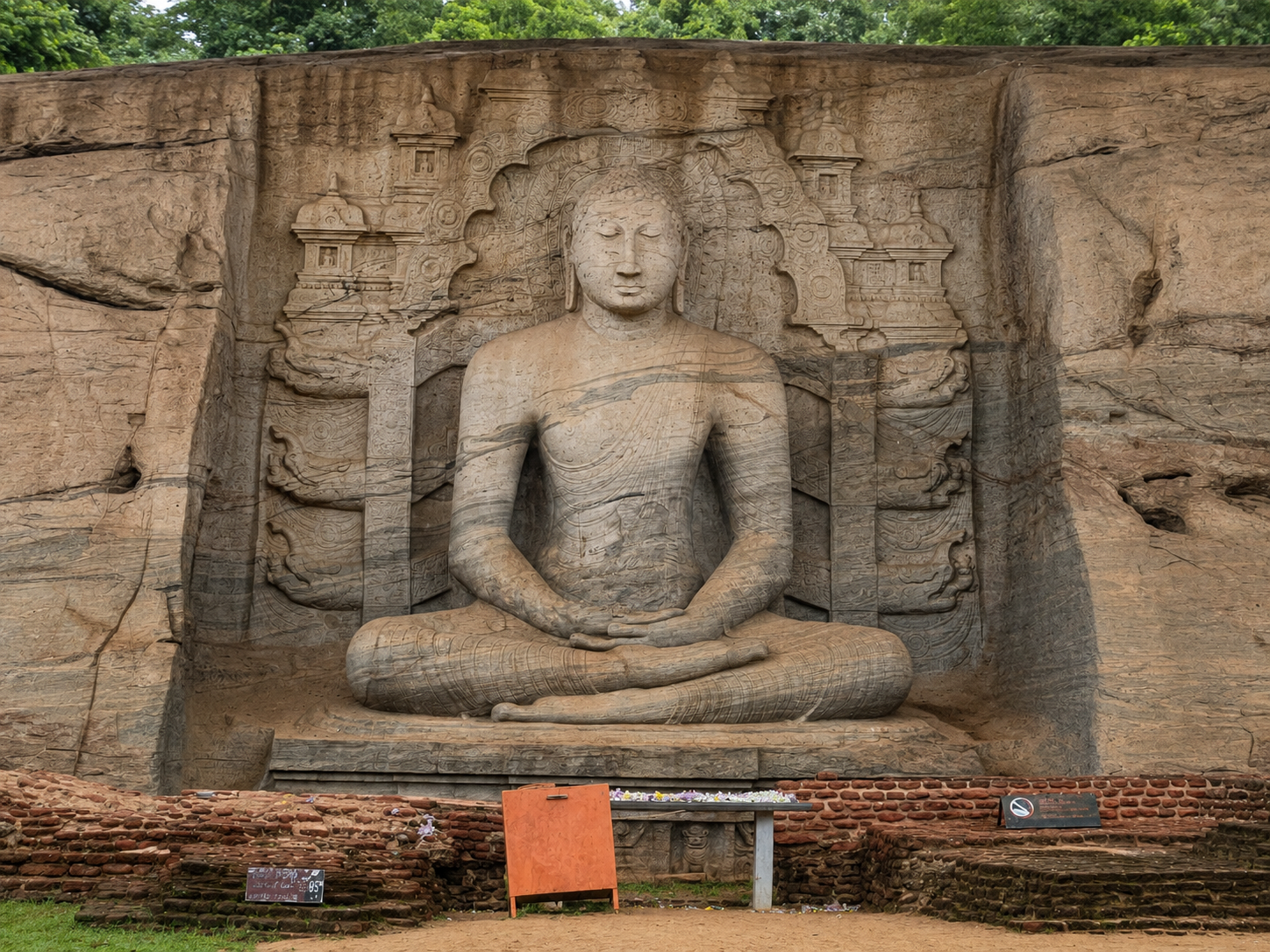
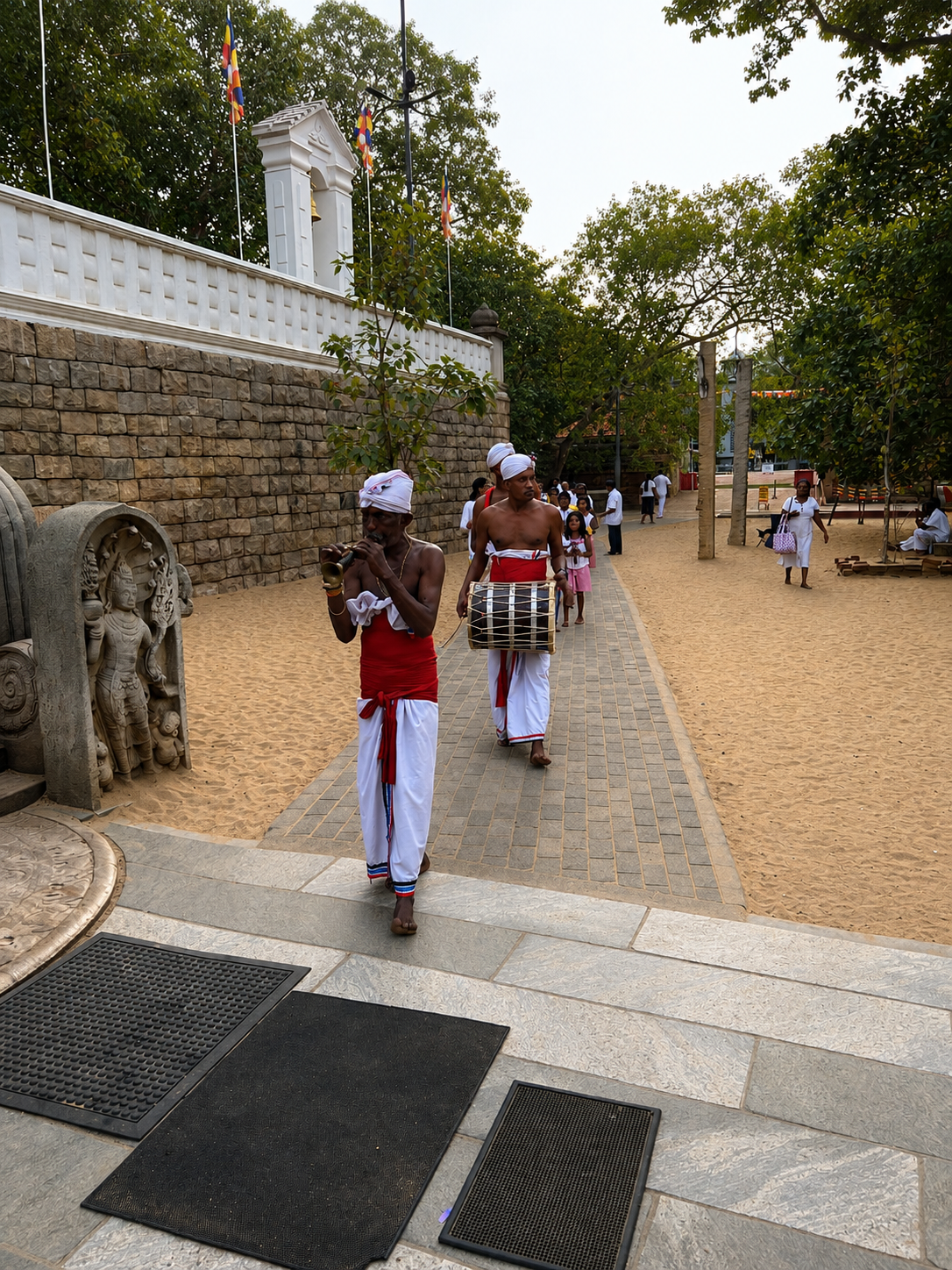
Religious sites: In Buddhist temples, Hindu shrines, mosques, and churches, photography is usually allowed in outdoor areas, but often restricted or prohibited inside. Particularly important: Never pose for photos with your back turned to a Buddha statue – this is considered disrespectful and may lead to problems. Climbing on or touching Buddha statues is also forbidden. Pay attention to signs and avoid using flash in sacred spaces.
People and ceremonies: Always ask permission before photographing individuals – especially monks, during religious ceremonies, or in rural areas. A respectful request and showing the photo afterward often create a positive interaction.
National parks and protected areas: Special regulations apply in national parks and nature reserves. Drones are generally prohibited or allowed only with special permission. Wildlife must not be disturbed; avoid using flash when photographing animals.
Drones and commercial filming: Official permits from the relevant authorities are required for drone flights as well as for professional or commercial photo and video recordings. Violations may result in fines or confiscation of equipment.
In addition to the standard routine vaccinations, no further vaccinations are required for Sri Lanka, provided you are not entering from a yellow fever endemic country.
Vaccinations against hepatitis A, hepatitis B and typhoid are generally not mandatory, but may be considered depending on individual travel plans, duration of stay and personal circumstances.
A rabies vaccination may be considered for longer stays, travel in rural areas or in cases of expected close contact with animals.
A preventive vaccination against malaria is currently not available. Sri Lanka has been declared malaria-free, and there is no malaria risk in the country.
We recommend seeking individual advice from a physician experienced in tropical or travel medicine well in advance of your trip.
In Sri Lanka, it is important to show respect for religion, traditions, and local customs. When visiting temples or other religious sites, shoulders and knees should be covered, shoes and hats removed, and modest clothing worn. In Buddhist temples, it is especially important not to turn your back directly toward Buddha statues when taking photos, and posing disrespectfully in front of them should be avoided. Photography may be restricted in certain areas and is sometimes only allowed with permission.
Public displays of affection should be kept minimal, as Sri Lanka is generally conservative in this regard. Loud arguments, inappropriate behavior, or public intoxication are considered disrespectful, particularly near religious sites.
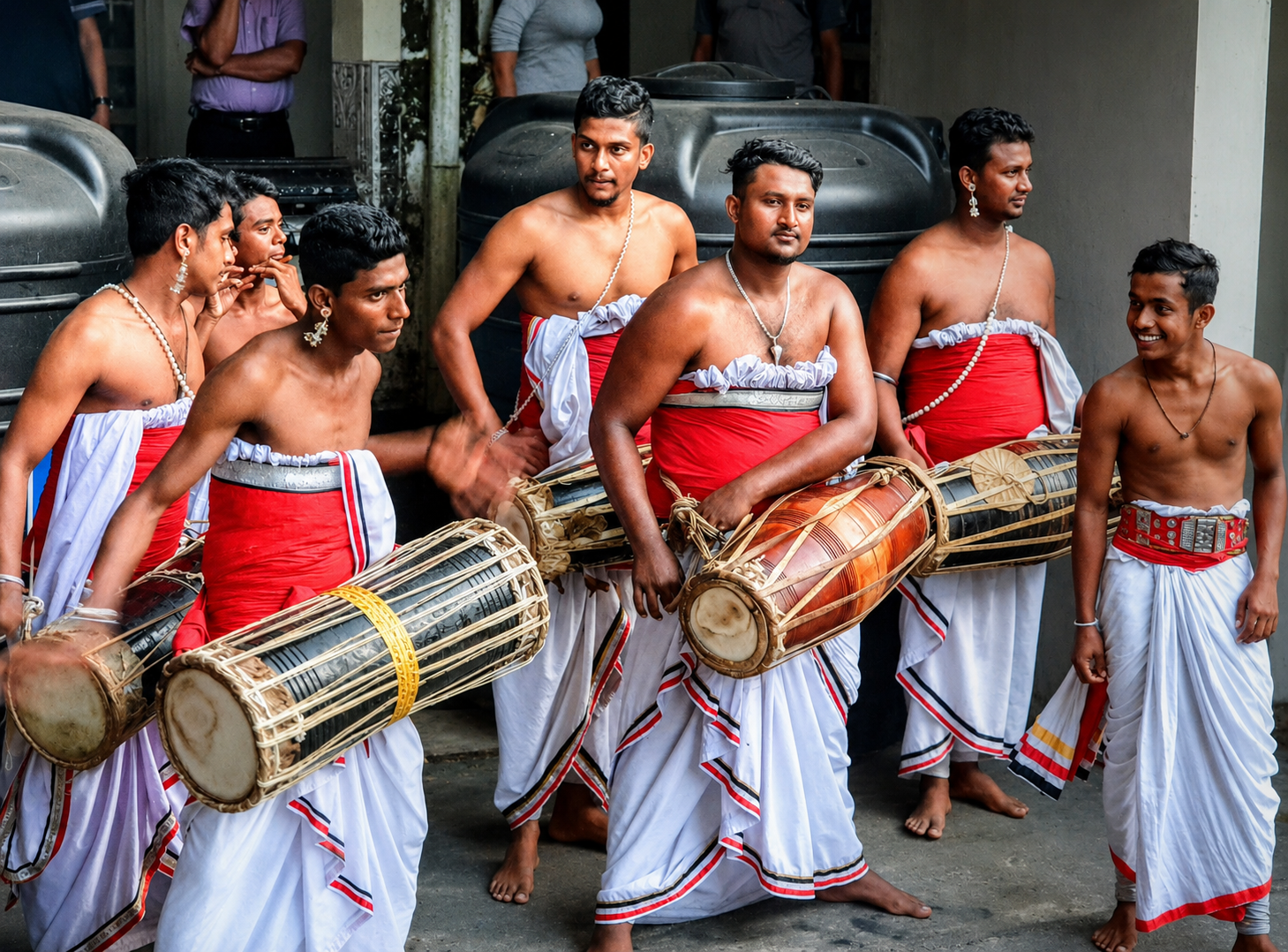
When greeting someone, a slight bow with palms pressed together in front of the chest (Ayubowan) is a traditional and respectful gesture, although handshakes are also common, especially in more urban or business contexts.
It is customary to use the right hand when giving or receiving items, as the left hand is traditionally considered impolite for such interactions. When pointing, avoid using your finger directly at people or religious objects.
Additionally, Sri Lankans are known for their hospitality. Showing patience, politeness, and a genuine interest in local culture is highly appreciated. As in any country, disposing of waste properly and treating people, wildlife, and the environment with respect is expected.
Sri Lanka has clear and relatively strict drone regulations, overseen by the national aviation authority. Despite its stunning landscapes and coastline, drone flying is not freely permitted for tourists.
Bringing a drone into the country is generally allowed, but it must be declared on arrival. In some cases, customs may require registration or temporarily hold the device.
Foreign operators must obtain prior approval from the Civil Aviation Authority of Sri Lanka (CAASL). Additional permits may be required depending on the location—especially near military facilities, government buildings, cultural sites, or protected areas. Separate authorization is often needed for national parks and wildlife reserves.
Unauthorized flights can result in fines, confiscation of the drone, or further legal action. Sensitive areas include airports and their surroundings, military sites, government buildings, religious sites, national parks, and archaeological zones.
Travelers should be aware that violations can have serious consequences. Regulations may change, and many drone videos online were likely filmed under different rules or without proper permission. This is not a recommendation to disregard current laws.
In short: flying a drone in Sri Lanka without prior approval is risky and can lead to significant penalties. Anyone wishing to fly legally should check the latest regulations and secure all necessary permits in advance.
Yes, in Sri Lanka local prepaid SIM cards can be purchased directly at the airport upon arrival. In the arrivals hall, there are service counters operated by mobile network providers offering special tourist packages.
Recommended providers include Dialog Axiata and SLT-Mobitel, both of which offer good nationwide coverage. The mobile network is particularly well developed in cities and tourist areas, while coverage may be more limited in remote regions. A passport is usually required for SIM card registration.
In Sri Lanka, souvenirs often reflect the country’s rich cultural, religious, and artisanal traditions. Handcrafted items are particularly popular. Traditional batik fabrics in vibrant colors, hand-painted on cloth, are highly prized. Wood and brass carvings, including figures of Buddha or native animals, are also common.
Jewelry and accessories made from gemstones such as sapphire, moonstone, or local semi-precious stones are frequently purchased, as are tea sets, spices, and the famous Ceylon tea, one of Sri Lanka’s most well-known exports. Mask carvings, used in traditional dances and ceremonies, and handwoven items such as bags or mats are also popular.
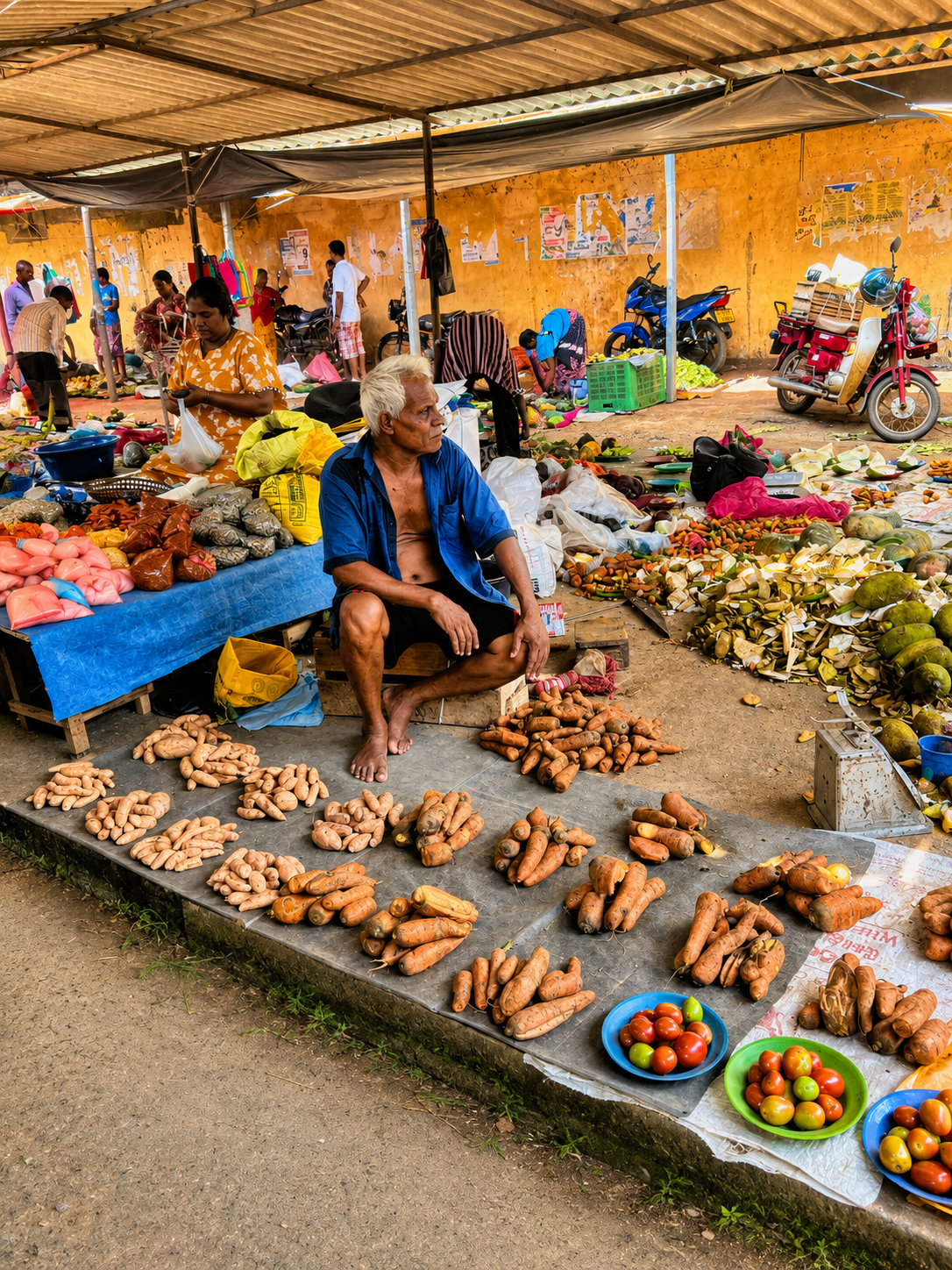
Markets in the larger cities offer a wide selection of artisanal crafts, textiles, and regional specialties, making it easy to find souvenirs that capture the character and traditions of Sri Lanka.
We expect to spend around five hours driving each day. The distance covered depends on the route chosen; on average, it will be between 100 and 200 km daily. Occasionally, we may drive less than 100 km, and sometimes more—always depending on what road conditions allow. The state of the roads is often more decisive than the actual distance traveled.
We generally start early enough to allow for an afternoon buffer. This ensures that, even in the event of unexpected delays, we can arrive before nightfall, as we generally avoid driving after dark.
Even in warm weather, it’s important to be prepared for changing conditions. While daytime temperatures are usually high, evenings can be cooler, and wind or brief showers may occur. Quality gear is often hard to find locally, so it’s best to bring everything you need from the start.
Motorcycle gear:
Casual and everyday clothing:
Additional notes:
Packing list: All participants receive a detailed packing list with practical recommendations well before the tour begins.
It is recommended to carry a mix of cash (USD or EUR), a credit card, and an ATM card (Visa and Mastercard are more widely accepted, while American Express and Diners are less common). Make sure your ATM card is activated for international use outside European countries—this is often referred to as “Geo Control” at your bank.
Card payments are not accepted everywhere, so having cash on hand is important. Only carry undamaged notes, as even slightly torn or marked bills are often refused. Smaller denominations are recommended for tips.
In larger towns, ATMs are generally available, but they are less common than in Europe. Cash can be changed at airports, hotels, and official exchange offices.
There have been isolated cases of ATM tampering and card data misuse. To minimize risk, use only ATMs located in secure, busy areas—such as inside banks or large hotels, or those recommended by our tour guide.
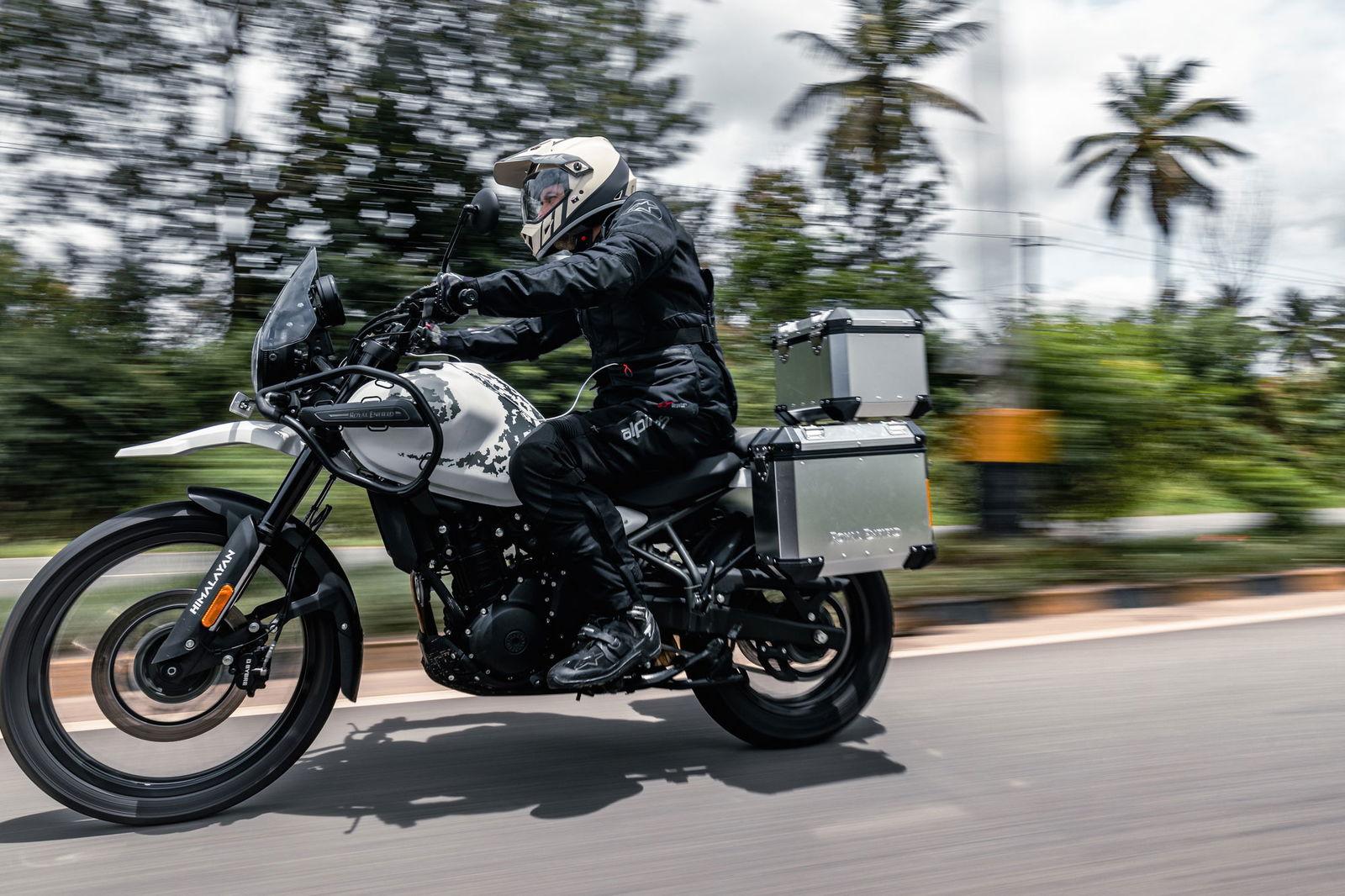
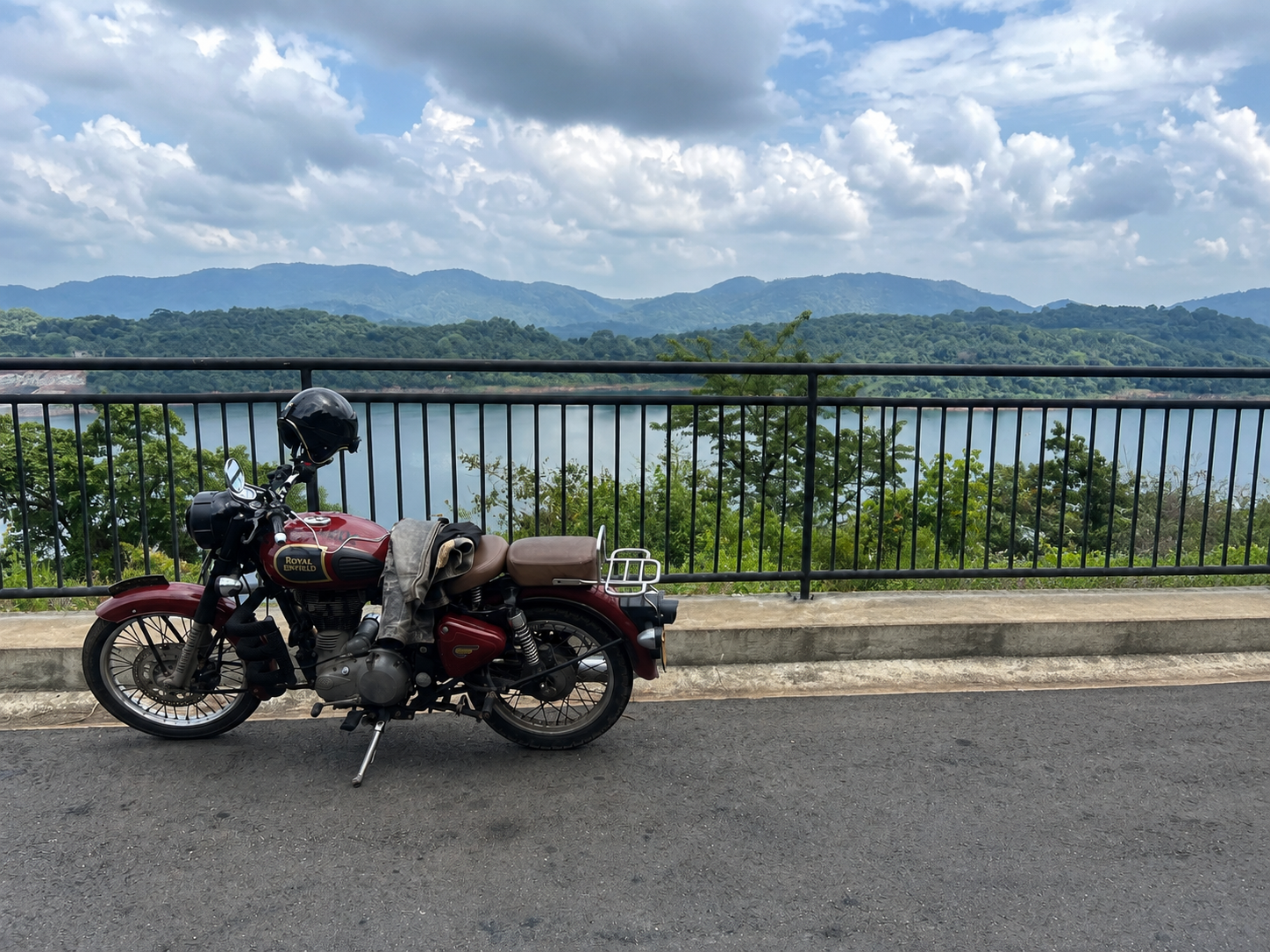
The Royal Enfield Himalayan 450.
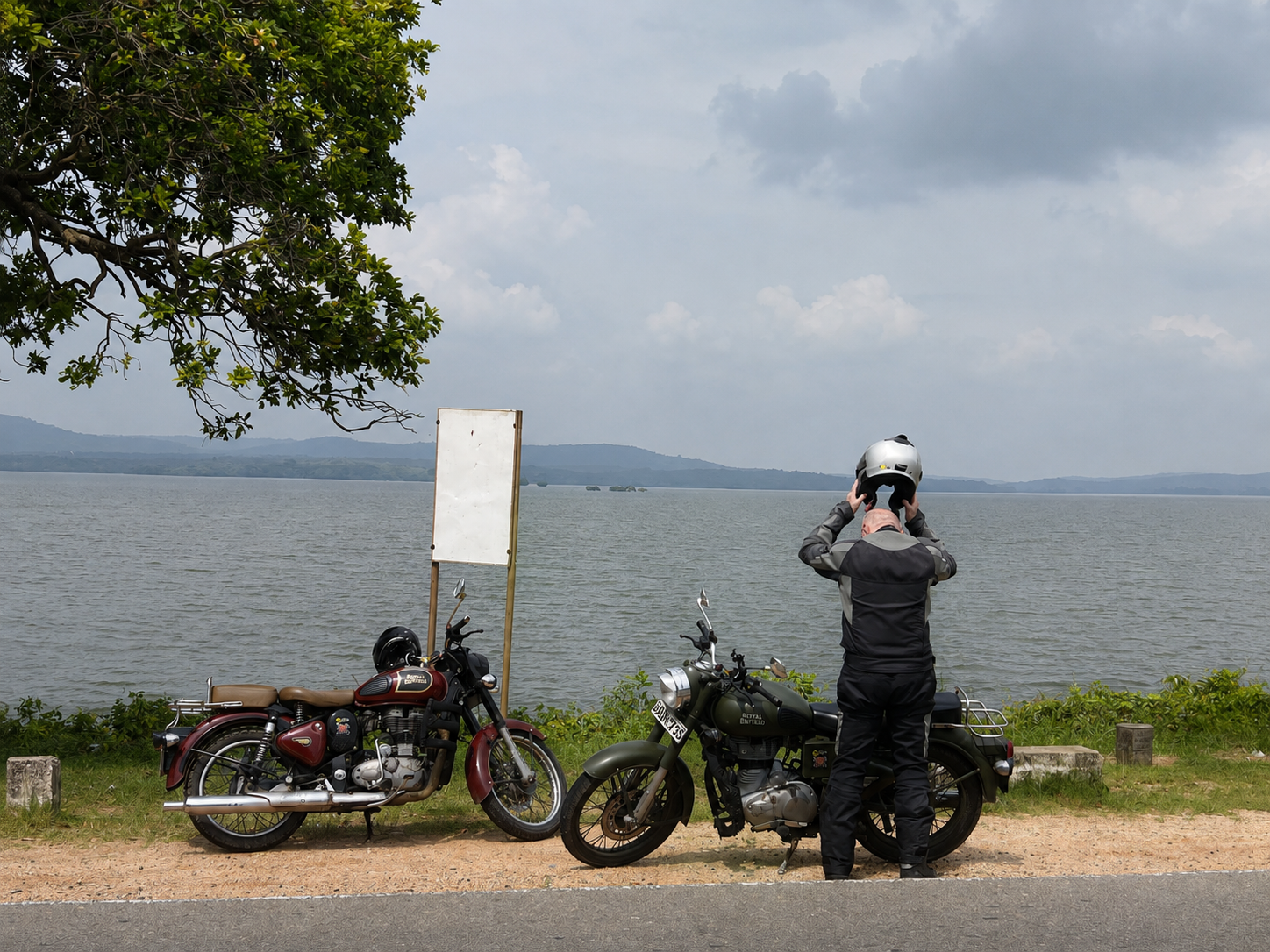
On request, the Himalayan 411 or the legendary Royal Enfield Bullet 500 (left shift, electric starter, front disc brake) are also available.