



Asia Bike Tours at the 40th Gurkentreff 2026 🏍️ Motorcycle journeys from the Alps to the Himalayas 📍 Thumsee · May 30 · from 12:00 pm 🔥 Talks, stories & campfire
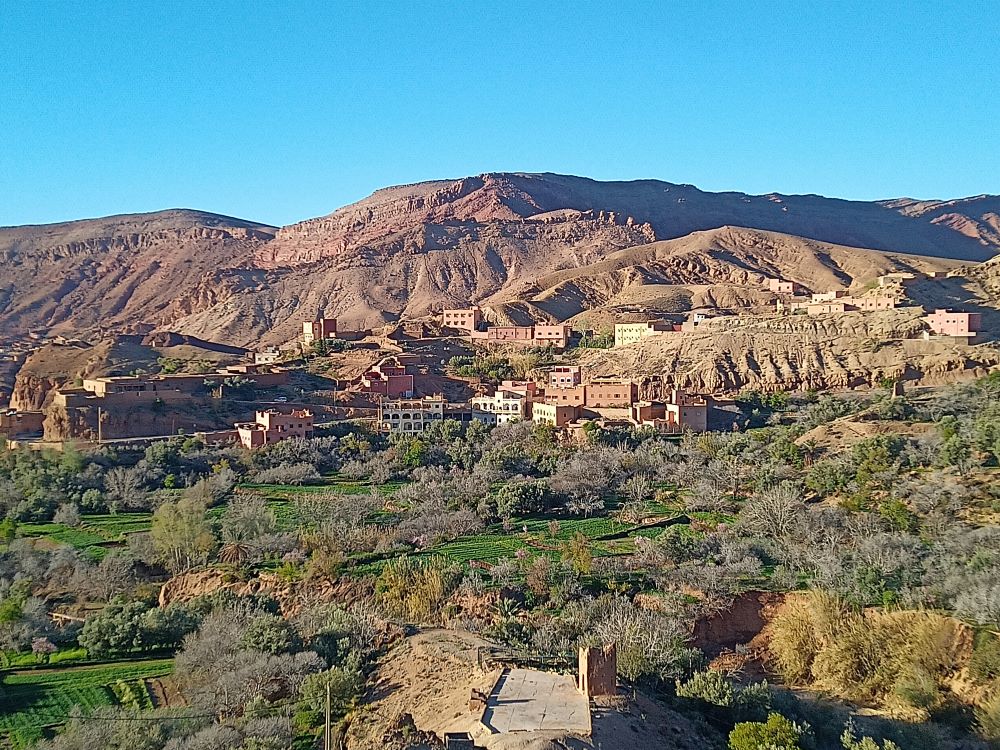
Morocco motorcycle tour — adventures through passes, deserts, dunes and colorful mountain landscapes like from 1001 nights.
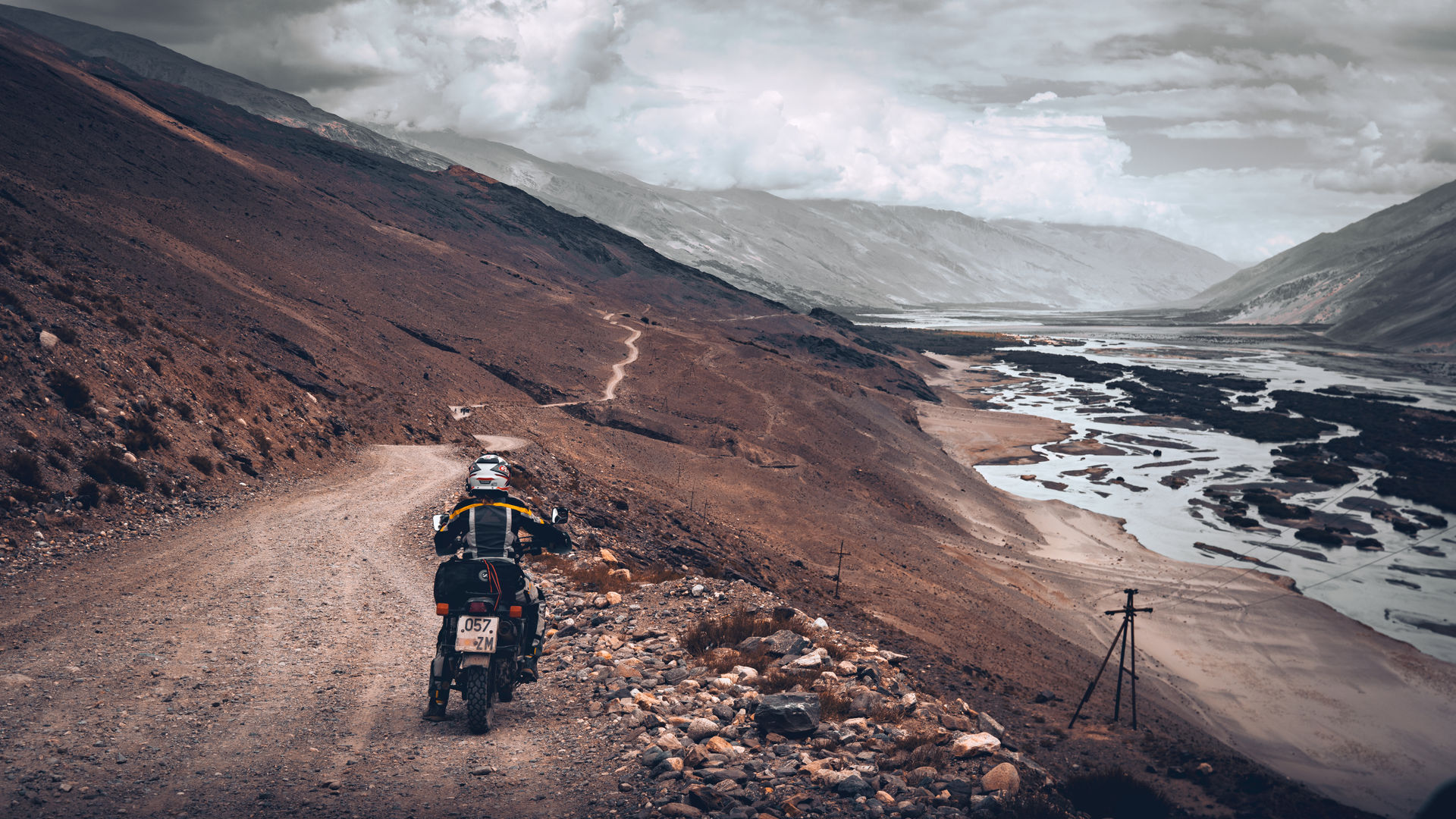
The Pamir Highway is one of the highest roads in the world. Stretching over more than 1,250 kilometres, this legendary route runs from Kyrgyzstan to Tajikistan – through the rugged Pamir Mountains, past spectacular landscapes, and deep into one of Central Asia’s most remote regions.

This fantastic motorbike tour through Sri Lanka blends adventure with rich culture and relaxed tropical beach time. Winding roads lead through the highlands around Kandy and Ella, past tea plantations and through lush tropical landscapes. In Nilaveli and Mirissa, there is time to unwind on stunning beaches, while Udawalawe National Park offers close encounters with elephants. Throughout the trip, warm hospitality and delicious local cuisine are constant companions.
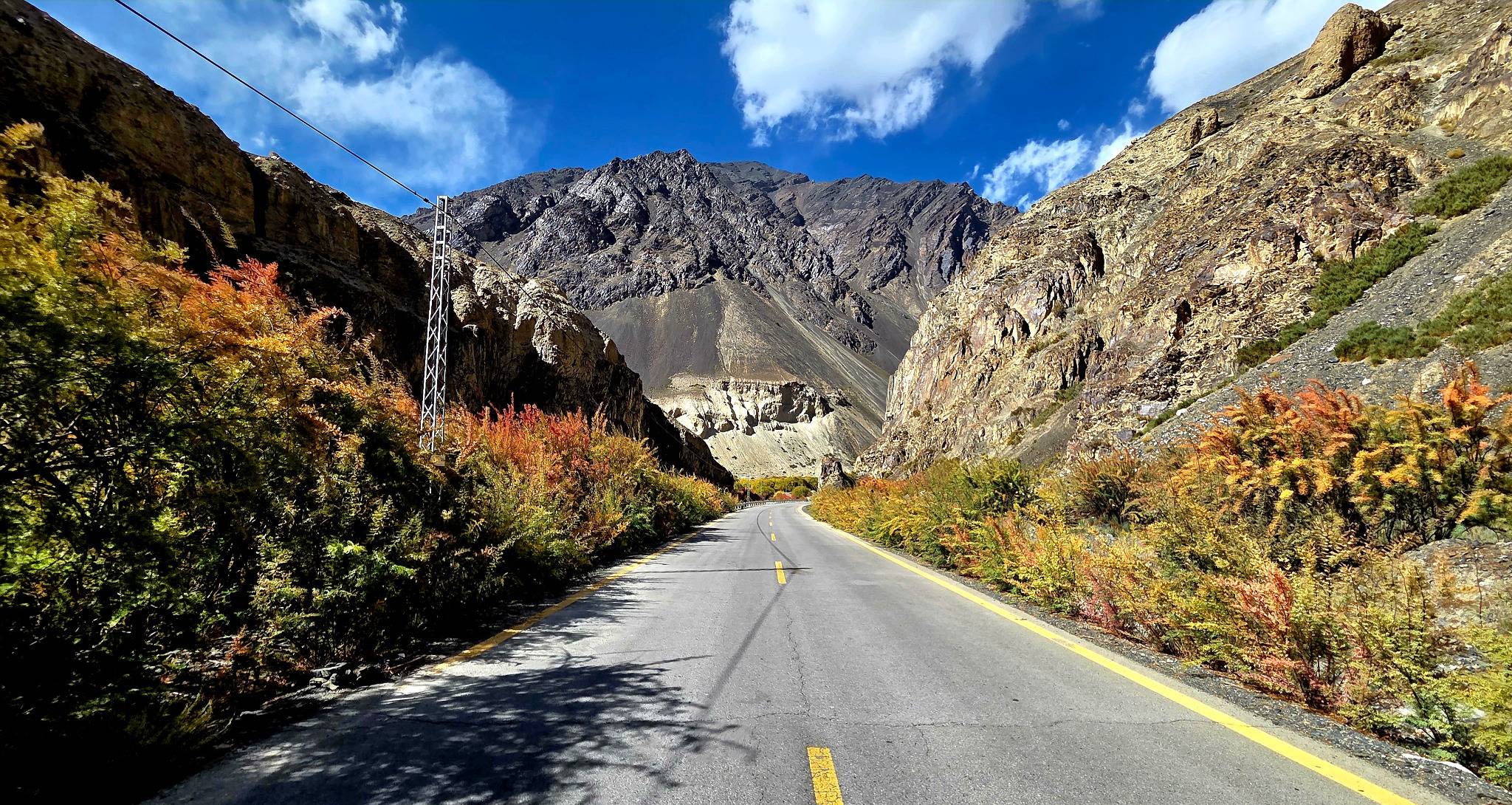
This 15-day motorcycle tour through Northern Pakistan with Asia Bike Tours takes you from Islamabad across the Babusar Pass and along the legendary Karakoram Highway to Gilgit and the stunning Hunza Valley. The route continues over the Khunjerab Pass, on to Passu, into the Astore Valley, and across the vast Deosai Plains to Skardu—including glamping under a star-filled sky. Accommodation is in carefully selected boutique hotels and unique lodgings, allowing you to experience the raw high-mountain landscapes of Northern Pakistan from the saddle of your motorcycle.
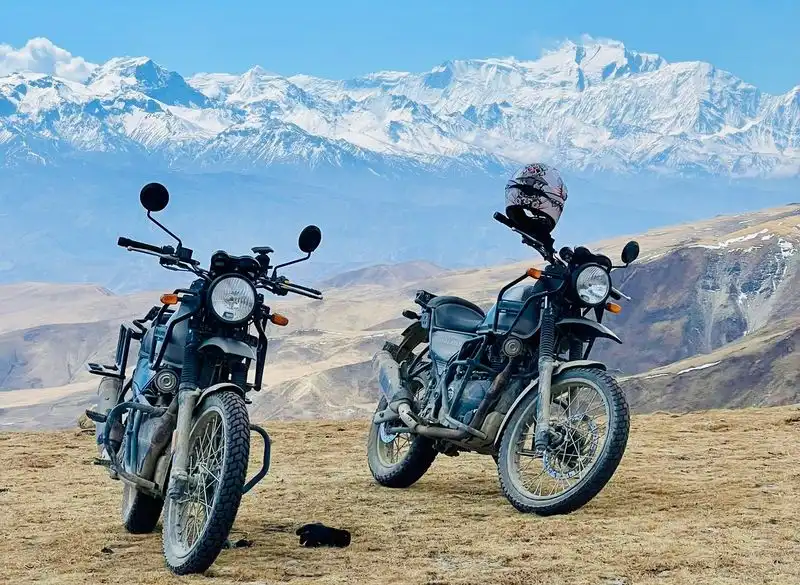
This unforgettable motorcycle adventure in Nepal begins in Kathmandu with a cultural introduction at Durbar Square, a UNESCO World Heritage Site. The journey continues west and north toward Mustang, the legendary Kingdom of Lo. Surrounded by Himalayan peaks, remote mountain villages, and dramatic landscapes, the experience offers a deep immersion into Tibetan culture, ancient history, and truly world-class motorcycling.
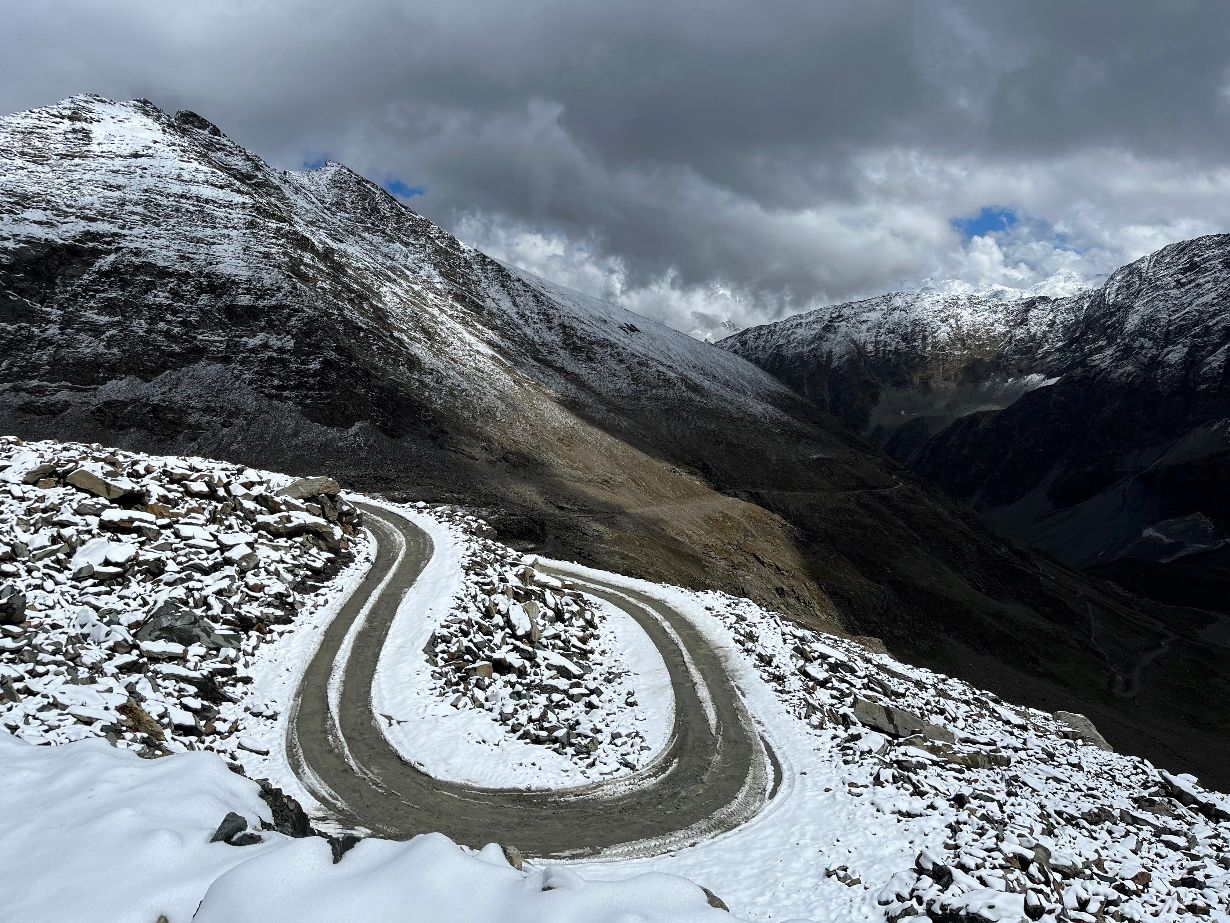
The Spiti & Pangi Tour is perfect for experienced Himalayan riders and adventure seekers alike. We ride along breathtaking roads, some carved into steep cliffs, with views that inspire awe. Highlights include the thrilling "cliffhanger" route from Killar to Kishtwar and a cultural stop at the magnificent Golden Temple in Amritsar. Every twist and turn promises excitement, wonder, and memories that will last a lifetime.
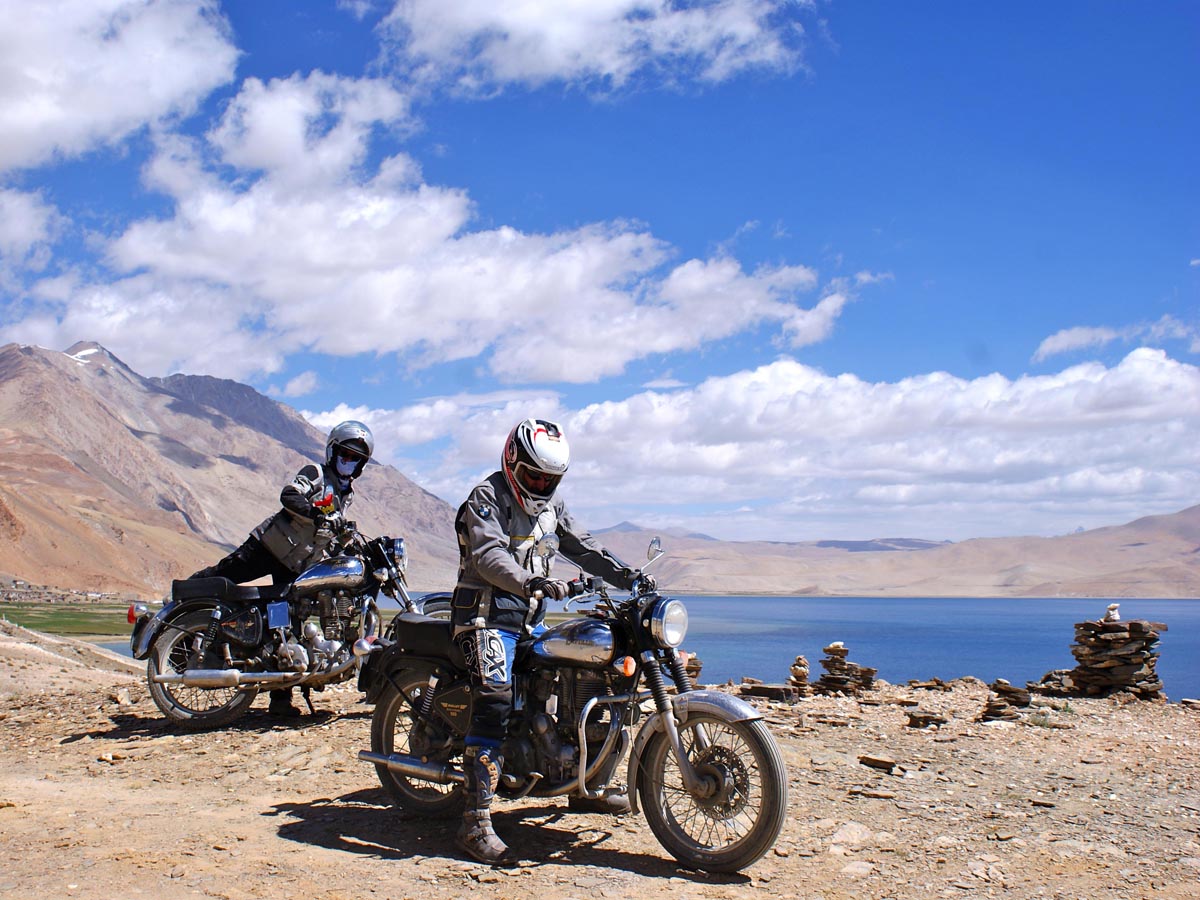
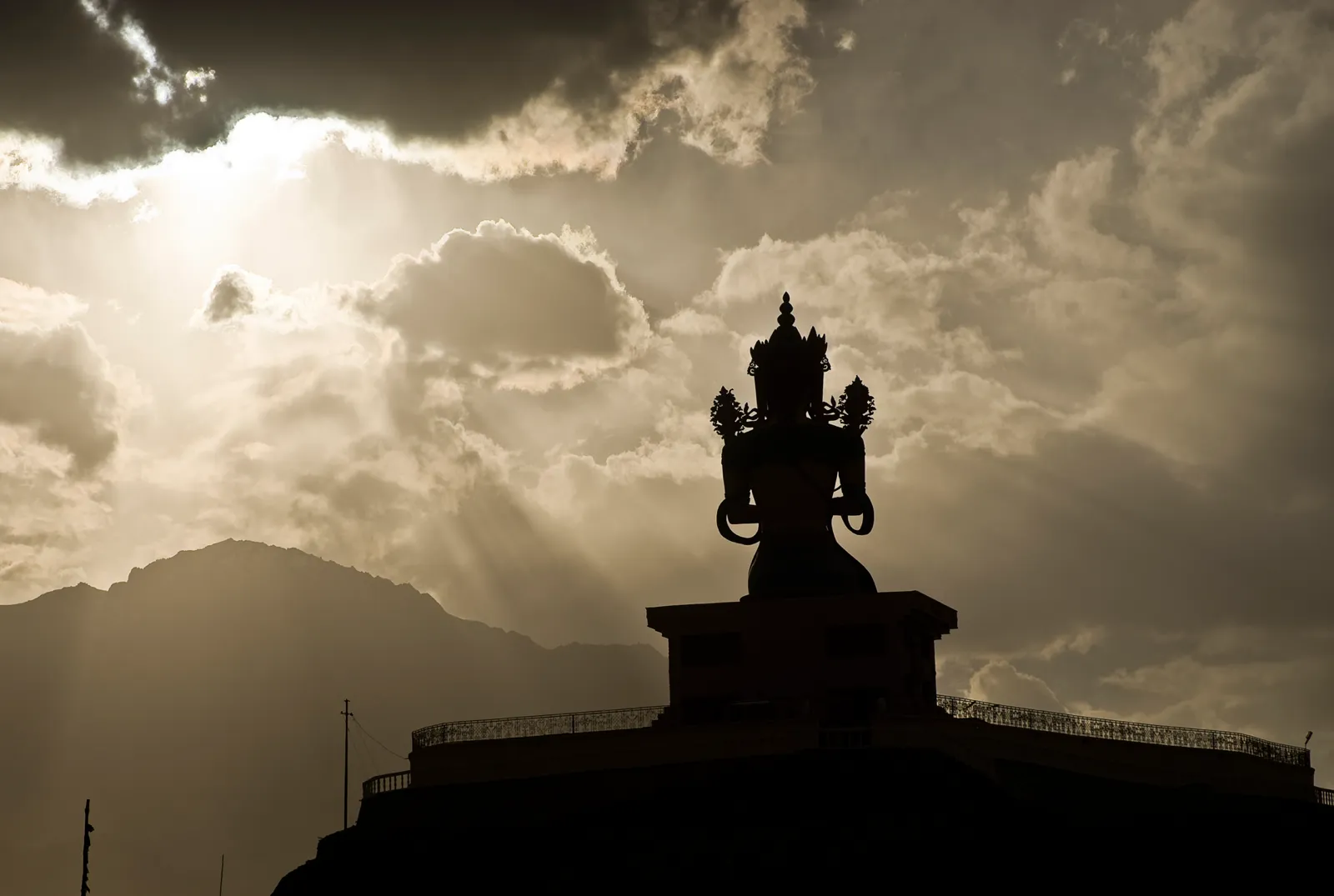
An unforgettable motorcycle journey through the Buddhist kingdom of Ladakh: vast high-altitude landscapes, turquoise lakes, ancient monasteries, and spectacular mountain passes – all the way up to Umling La, the highest motorable pass in the world.
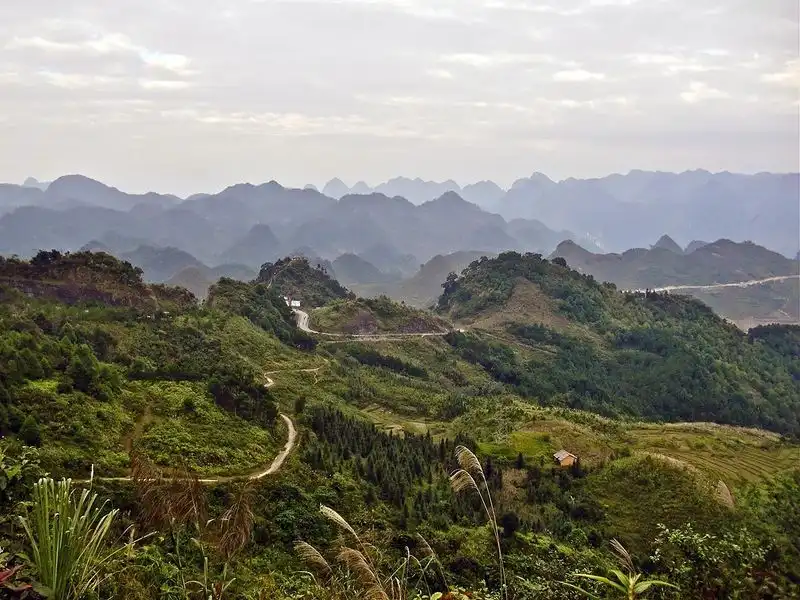
Experience a 12-day motorcycle trip through North Vietnam — epic, authentic and memorable. Spectacular landscapes, cultural encounters and adventures such as hiking and kayaking await you — Vietnam pure, up close and intense.
This 16-day motorcycle adventure through Nepal takes us from Kathmandu deep into the hidden Kingdom of Mustang. After a cultural introduction at Durbar Square (a UNESCO World Heritage Site), we ride north into one of the most remote regions of the Himalayas, surrounded by snow-capped peaks, isolated mountain villages, and dramatic landscapes. Along the way, we experience world-class riding, centuries-old history, and the deeply rooted Tibetan culture of the former Kingdom of Lo.
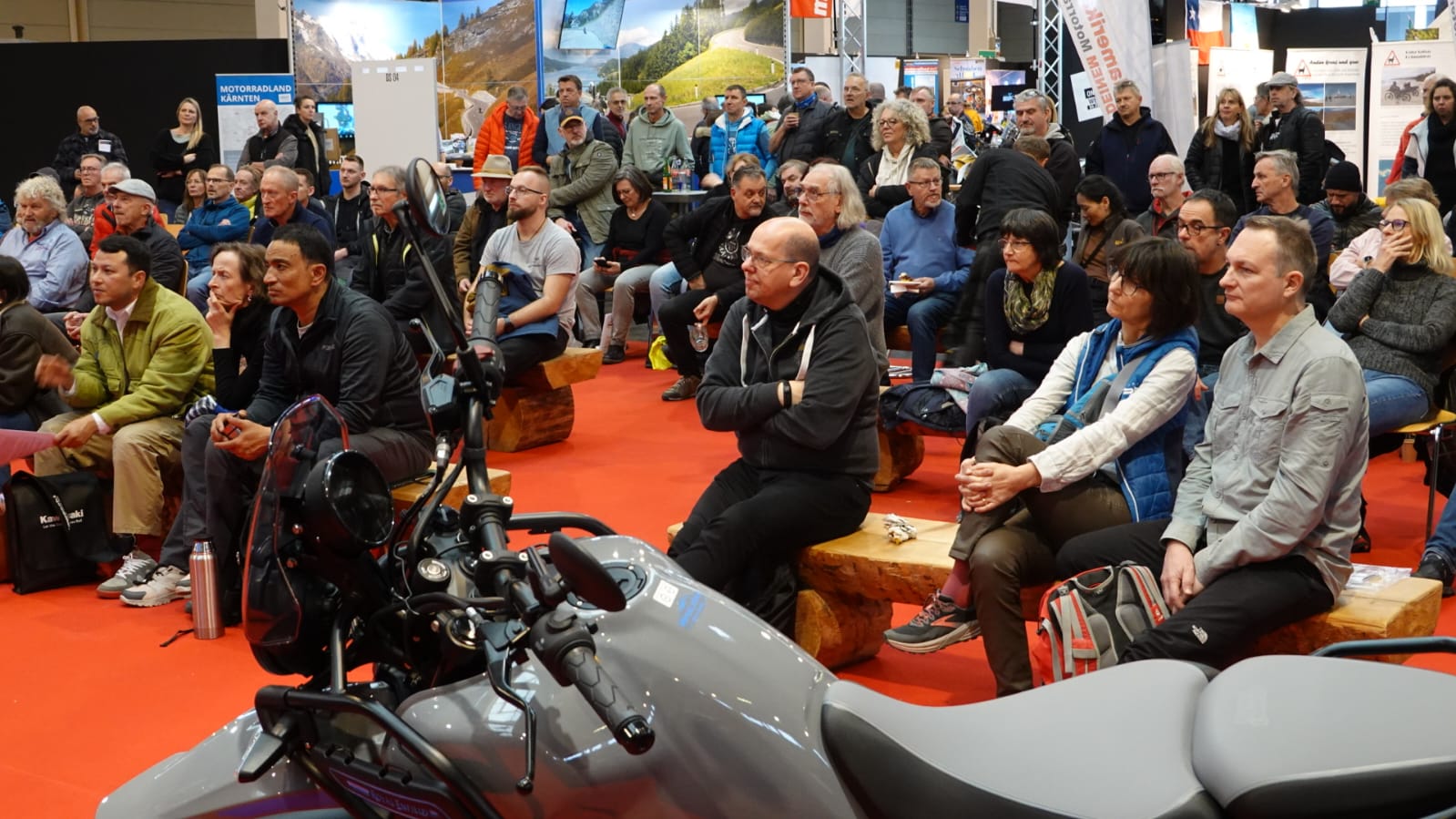
Asia Bike Tours at the 40th Gurkentreff 2026 🏍️ Motorcycle journeys from the Alps to the Himalayas 📍 Thumsee · May 30 · from 12:00 pm 🔥 Talks, stories & campfire
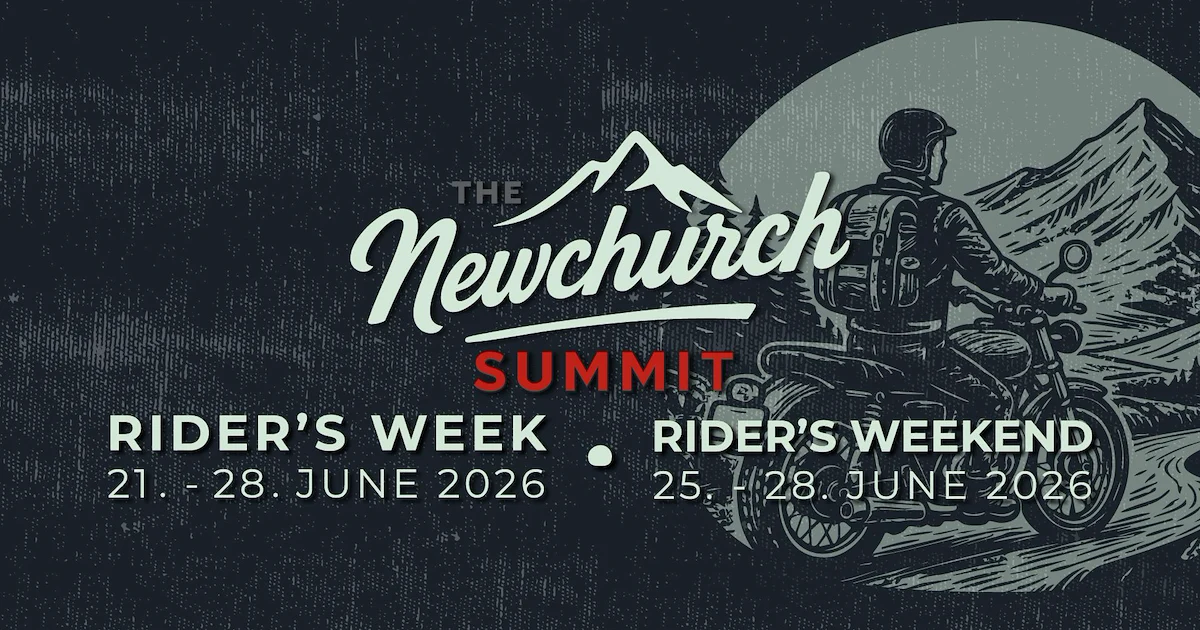
Not just on the road. Also at New Church Summit 2026